


Dec 13, 2020 2:00 PM
Updated Feb 10, 2022 10:49 PM
John LaForge: The Air Force seems determined to keep denying responsibility until the surviving vets die off and the lawsuit becomes moot.
Air Force veterans exposed to plutonium after a first-ever US nuclear weapons disaster in Spain have won extremely rare recognition as a class in a lawsuit against the Department of Veterans Affairs.
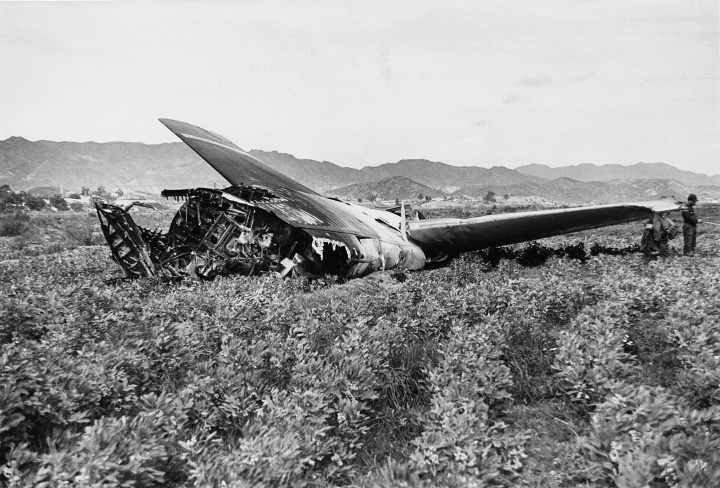
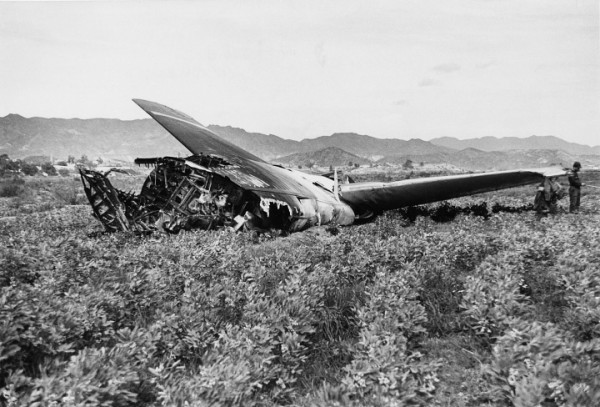
On Jan. 17, 1966, an Air Force B-52 bomber collided with a KC-135 tanker and exploded over the village of Palomares, Spain during a routine airborne refueling. Seven airmen were killed and the bomber’s four hydrogen bombs were thrown to the Earth. When they hit the ground hard, the conventional explosives in two of the bombs (not the thermonuclear warheads) detonated large explosions -- one right in the village -- gouged large plutonium-dusted craters, and spewed as much as 22 pounds of pulverized plutonium dust over houses, streets and hundreds of acres.
On June 19, 2016, the New York Times published a 4,500-word investigative report about the lawsuit filed by chief master sergeant Victor Skaar (USAF, Rt.) in the Court of Appeals for Veterans Claims. Skaar, who was 30 at the time, was the head of a special Air Force response team assigned to cleaning up radioactive poisons spread by thermonuclear warhead accidents.
Separately, a group that with rotations might have totaled 1,700 mostly untrained regular soldiers were brought in and put to work surveying the area for plutonium hotspots jumping with alpha radiation, collecting and hauling contaminated materials, or washing contaminated village buildings. Some 4,810 barrels with plutonium-contaminated soil from across parts of a 640-acre area were filled and loaded the on a ship that took them to a site in South Carolina.
Related stories

Skaar told me in a phone interview, “Barrel-filling ops were around-the-clock for eight days, working in four-hour shifts.” In her book Barbara Moran The Day We Lost the H-Bomb says another 3,728 truckloads of vegetation and produce were openly burned in a dry riverbed nearby.
Two years after Skaar retired in 1981, he came down with a blood disorder called leukopenia. He’s been trying ever since to have the illness recognized as service-related. The class action is focused on the VA’s denial of Mr. Skaar’s claim of service-related illness, and the military’s “arbitrary and capricious” use of inadequate radiation data which is based on shoddy methods of recording and maintaining urine samples taken from clean-up crew members. The veterans also challenge the VA’s omission of Palomares cleanup operations from its list of radiation risk activities.
Skaar told me that dozens of the veterans contaminated during the clean-up are also sick. If their claims can be established in court, they would be eligible for health care and a disability pension. Sometimes “clean-up” was nothing more than hosing the plutonium dust from houses, streets and even a school, leaving the toxic slurry to contaminate downstream surface waters. If the loaded barrels had high exterior radiation readings, troops blew the dust off using air compressors. No wonder that when testing the troops’ clothing radiation meters regularly went off-scale.
On Sept. 2, 2020, the court heard oral arguments in the case and accepted new evidence including a declaration by Dr. Murry Watnick, a former Strategic Air Command Medical Officer. Watnick’s report says, “The amount of plutonium-239 released was estimated to be approximately 10 kilograms [22 lbs]. One microgram of plutonium-239 is extremely toxic. The estimated release was three billion micrograms.”
The Air Force seems determined to keep denying responsibility until the surviving vets die off and the lawsuit becomes moot.
Plutonium’s chief danger is from inhalation, because its deadly alpha particles lodge in the lungs “bombarding the adjacent cells with highly toxic ionizing radiation,” Watnick wrote. Troops involved were exposed to “plutonium dust six to eight hours daily in an environment highly conducive to inhalation of alpha particles.”
After the 2016 exposé in the Times, Michael Wishnie, a Professor of Law at Yale Law School who runs the Veterans Legal Services Clinic, called Skaar and offered the clinic’s help with the case -- a David and Goliath battle from the beginning. Skaar told the Times, “First they told me there were no records, which I knew was a lie because I helped make them.”
The Air Force seems determined to keep denying responsibility until the surviving vets die off and the lawsuit becomes moot. One former Yale clinic member, Meghan Brooks, told the Times, “The bunk science the Air Force was using was not just harming Mr. Skaar, but all the other Palomares veterans.”
After Sgt. Skaar’s three decades of relentlessly filing Freedom of Information Act requests, and repeatedly appealing FOIA denials, he and the Yale team finally broke through. In a Dec. 6, 2019 decision, the appeals court granted class action status for some but not all the Palomares veterans.

The court also found that Skaar could serve as “class representative” for as-yet-unnamed class members. Additional veterans may still join the appeal which is ongoing.
John LaForge
PeaceVoice
Comments

Powered by RoundtableAn AI/DeFi-powered Enterprise Media Operating System. Learn more at Roundtable.io.© Roundtable 2026. By using this site you agree to the Terms of Use and Privacy Policy