


Apr 28, 2011 1:00 PM
Updated Feb 10, 2022 10:45 PM
Tom Hayden: Any “new deal” will have to satisfy the power agenda of al-Sadr and his allies in Iran, or risk a renewal of fighting against the retention of the smallest contingent of U.S. troops in Iraq since 2003.
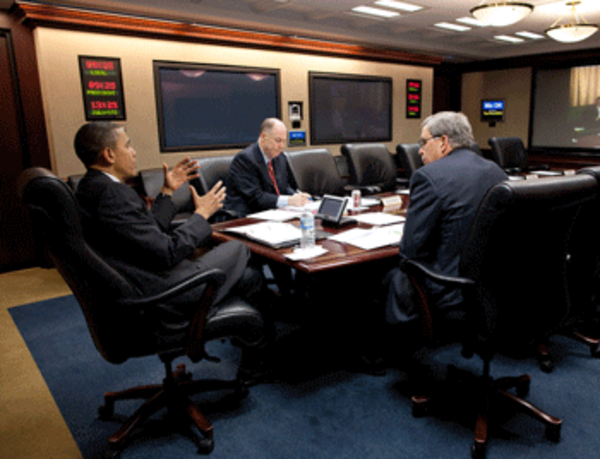
In a Culver City speech last week, President Obama declared that he has removed 100,000 troops from Iraq and ended their combat mission, leaving wide open the question of whether he seeks to leave thousands of American troops behind as trainers and counterterrorism specialists on a permanent base.
In an expression of peak, Adm. Mike Mullen, chair of the Joint Chiefs, called on Baghdad officials to hurry along in its internal deliberations on asking American troops to stay beyond the December 31 deadline.
The New York Times revealed for the first time that the 2008 withdrawal pact “was primarily created so that Iraqi political leaders could show their constituencies that they were taking a stand” against the hated American occupation. “It was understood by both parties at the time,” the Times went on to explain, “that a new deal would be needed.”
The “new deal” has come apart in the new Iraq. Undoubtedly the Iraqi exiles put in power by the U.S. invasion would like continued protection from their Pentagon sponsors. So would the multinational oil companies negotiating leases. But the government of Nuri Kamal al-Maliki survives with the support of a parliamentary bloc led by Moktada al-Sadr, a fierce critic of the occupation whose Mahdi army fought twice in uprisings against the Americans.
Related stories
Therefore, any “new deal” will have to satisfy the power agenda of al-Sadr and his allies in Iran, or risk a renewal of fighting against the retention of the smallest contingent of U.S. troops in Iraq since 2003. Nor will Obama make many friends by appearing to back away from his pledge to withdraw all troops by the end of the year. No one will believe the cover story that the Americans are only responding to a request by the Baghdad government. The State Department already is doubling its ranks in Iraq to 16,000 civilians backed by an unknown force of security contractors. The U.S. embassy in Baghdad is the largest in the world.
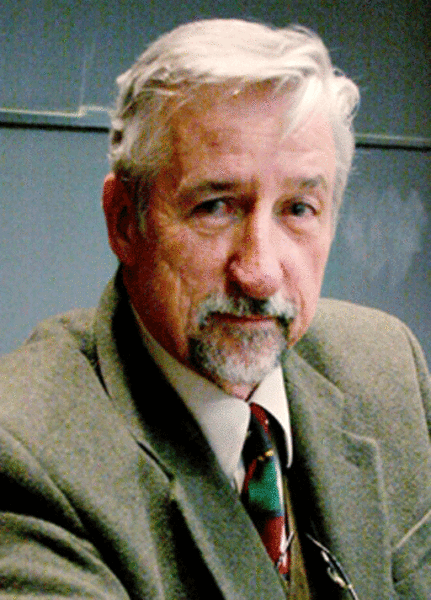
Tom Hayden
Peace Exchange
White House•War•Politics•Barack Obama•Middle East•Media•Military Industrial Complex•Surveillance•Hamid Karzai•Socialism
Comments

Powered by RoundtableAn AI/DeFi-powered Enterprise Media Operating System. Learn more at Roundtable.io.© Roundtable 2026. By using this site you agree to the Terms of Use and Privacy Policy