


Could Bernie End Veteran Homelessness?—Ernest Canning
Mar 22, 2024 7:00 AM
Updated May 1, 2024 4:17 AM
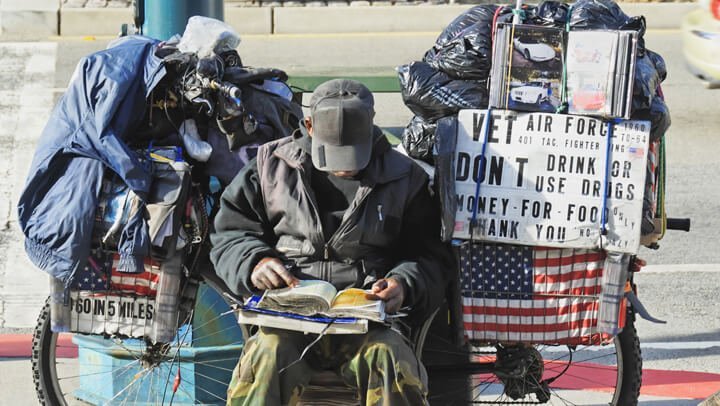
Despite boasting the largest VA medical center in the country, Los Angeles has more homeless veterans than any other American city.
California’s rate of homelessness rose 5.8% in 2023. The driver behind much of the homeless problem is veterans, who experience a higher rate of homelessness in California than any other state.
While much work has been done to address the problem, there’s still more to do. This article will explore the nature of that problem and make suggestions as to where to get help.
Los Angeles Rates Are Especially Bad
One third of all the nation’s homeless veterans are in California, with many of them in Los Angeles. Despite boasting the largest VA medical center in the country, Los Angeles has more homeless veterans than any other American city. After serving their country, some 4,000 California veterans spend their nights sleeping in old cars and under highway overpasses.
According to the Department of Housing and Urban Development, veterans are more likely to face homelessness in California than any other state. The reasons for this range from California-specific, like the extraordinarily high cost of housing in Los Angeles County, to the same things veterans across the country have struggled with, such as PTSD and addiction.
Related stories
On housing, California has made large strides. More affordable housing for veterans has been built for veterans in California than in any other state.
California has built veterans homes in the following cities:
- Redding
- Yountville
- Fresno
- Lancaster
- Barstow
- Ventura
- Chula Vista
- West Los Angeles
The veterans’ home in West Los Angeles can house 396 people. That still leaves roughly 3,500 California veterans unhoused.
The Veterans’ Administration has made aggressive efforts to build more housing, with the Los Angeles VA in particular leading the way. In the last 12 years, veteran homelessness in California has decreased by more than 30%.
The problem is, much of that decrease happened during the Obama Administration, with progress more or less at a standstill for close to a decade now. And while new homes are being built, progress is slow, with only 233 out of the original 770 housing units built during that time.
What Does It Mean to Be Homeless?
The term "homeless" generally refers to an individual or a group of people who lack a fixed, regular, and adequate nighttime residence. According to HUD, it can include people living in shelters, transitional housing, or places not meant for human habitation such as cars, parks, sidewalks, and abandoned buildings. The definition can vary slightly between countries and organizations, but the core essence remains the inability to secure permanent and safe housing.
According to HUD, there were 653,104 homeless in the US in 2023. The number of homeless in California in 2023 was 181,399.
One of the primary misconceptions about homelessness is the idea that it is always the result of personal failings such as laziness, substance abuse, or poor financial management. While issues like addiction and mental health can be factors in homelessness, they are often more consequences than causes. Economic factors, lack of affordable housing, unemployment, and sudden life events (such as medical emergencies or family breakdowns) play significant roles.
Why Do So Many Veterans Experience Homelessness?
According to California veterans, one of the main obstacles they face in the state is discouragement from the VA. Numerous stories exist of veterans being turned away for referrals or aid due to allegedly not qualifying. One veteran reported he was refused disability payments because he already collects social security.
The high cost of housing in California is also playing a role. California ranks near the top of the list when it comes to cost of rent. According to the Cost of Living Index, Los Angeles ranks as the sixth most expensive city in the country. As a result, even when veterans manage to get VA approval for housing assistance, it’s often still not enough to cover rent.
The high cost of housing in California significantly exacerbates veteran homelessness by making it difficult for those returning from service to afford stable housing in one of the country's most expensive real estate markets.
Addiction and PTSD as Predictors of California Veteran Homelessness
Of course, some of the issues California veterans face are true not only in California, but nationwide.
Veterans suffer from an array of issues that raise their risk of homelessness, ranging from social isolation to physical disability. But one of the most common is that veterans are much more likely to suffer from PTSD and other mental health issues.
Due to the stigma surrounding mental illness as well as hyper-masculine military culture, many veterans will turn to alcohol and drugs to self-medicate rather than seek help. There is a strong consensus on the link between mental illness and addiction. Most research shows that around one-third of people who are homeless have problems with alcohol or drugs. Moreover, research shows mental illnesses like PTSD as well as addiction as the strongest predictors of veteran homelessness.
Where Can Homeless Veterans in California Get Help?
In California, homeless veterans have access to a wide range of resources designed to offer support, shelter, healthcare, and opportunities for reintegration into society. These services are provided by a combination of federal and state agencies, nonprofit organizations, and local community groups, all working together to address the complex needs of veterans without a place to call home.
Below is a list of key organizations and a brief overview of the services they offer to homeless veterans in California:
- California Department of Veterans Affairs (CalVet): Offers state-specific benefits, including housing, education, employment, and healthcare services to veterans residing in California.
- Veterans Resource Centers: Community-based centers across California that provide emergency services, housing, counseling, and employment assistance for veterans.
- U.S. VETS: A leading nonprofit organization dedicated to providing housing, employment, and counseling services to veterans transitioning back to civilian life.
- The California American Legion: California chapter of a national veterans' organization that offers support through emergency financial aid, advocacy for veteran benefits, and community service programs.
- County Veterans Service Offices (CVSOs): Local offices that assist veterans in accessing federal and state benefits, including help with claims and entitlements.
- Legal Aid Foundation of Los Angeles (LAFLA): Provides legal assistance to veterans, including help with securing VA benefits, housing issues, and other legal challenges.
Navigating the challenges of homelessness can be daunting, especially for veterans who have already sacrificed so much.
Valor Program at South Coast Behavioral Health
For veterans in Los Angeles or elsewhere in Southern California who are struggling with homelessness due to trauma and addiction, South Coast Behavioral Health can help. Our Valor Program is specially designed to treat veterans and first-responders struggling with addiction, trauma, and other issues.
We understand that there is a special trust that exists between veterans, so many of our counselors are themselves veterans, and often graduates of this very program. And in contrast to many programs which may be inflexible in their methodology, we understand that every person is an individual with their own situation.
To that end, we meet clients where they’re at, individualizing care as much as possible. We offer trauma-focused therapy to address PTSD while also utilizing holistic approaches, emphasizing nutrition, meditation, biosound, daily trips to the gym, and even yoga. If you have a physical disability, we are happy to work with you as well.
All this can take place within the following levels of care:
- Medical Detox: The initial phase of addiction treatment, offering a medically supervised environment for safe withdrawal from substances. This process includes managing withdrawal symptoms with medication-assisted treatment, ensuring patient safety and comfort. It's designed for individuals with physical dependence, preparing them for further recovery steps.
- Residential Treatment: Also known as inpatient care, this level offers intensive therapy and 24-hour care in a live-in facility. It's designed for individuals with severe substance use disorders or dual diagnoses (co-occurring mental health and substance use disorders), providing a structured environment for recovery.
- Partial Hospitalization Program (PHP): PHP serves as a bridge between residential treatment and outpatient care. It offers intensive therapy and support for several hours a day, typically five to seven days a week, while allowing patients to live at home or in a sober living environment.
- Intensive Outpatient Program (IOP): This level of care provides therapy and support for a few hours per day, several days a week. IOP is suitable for those with a stable home environment and not in need of 24-hour supervision, focusing on relapse prevention and the integration of healthy routines into daily life.
The Valor Program is a structured environment that mixes compassion with accountability. We’ll challenge you to excel at sobriety and you’ll work to meet that challenge every day by going to classes with fellow veterans and learning valuable coping skills. At the end of the program, we’ll assist with housing placement and VA benefits (our case managers have excellent relationships with the VA).
The Valor Program is offered in the following California cities:
If you have any questions about the program, please reach out. We’re here to help you regain control of your life.
Comments

Powered by RoundtableAn AI/DeFi-powered Enterprise Media Operating System. Learn more at Roundtable.io.© Roundtable 2026. By using this site you agree to the Terms of Use and Privacy Policy