


Sep 21, 2025 3:23 PM
Updated Sep 21, 2025 3:50 PM
Courage wasn’t taught at West Point. I don’t know if it can be taught. We imagined it, read accounts of it, saw living exemplars of it around us, but never heard where it came from, how it was summoned, what it felt like.
This is a short essay about courage, a subject about which I know little and you even less. But since you’ve taken to waving your tiny fist in the air and uttering one-liners from old war movies – “We’re going in!” (to Chicago?) and “We took them out!” (“them” being 11 guys in a speedboat?) – I thought you might learn some humility from it.
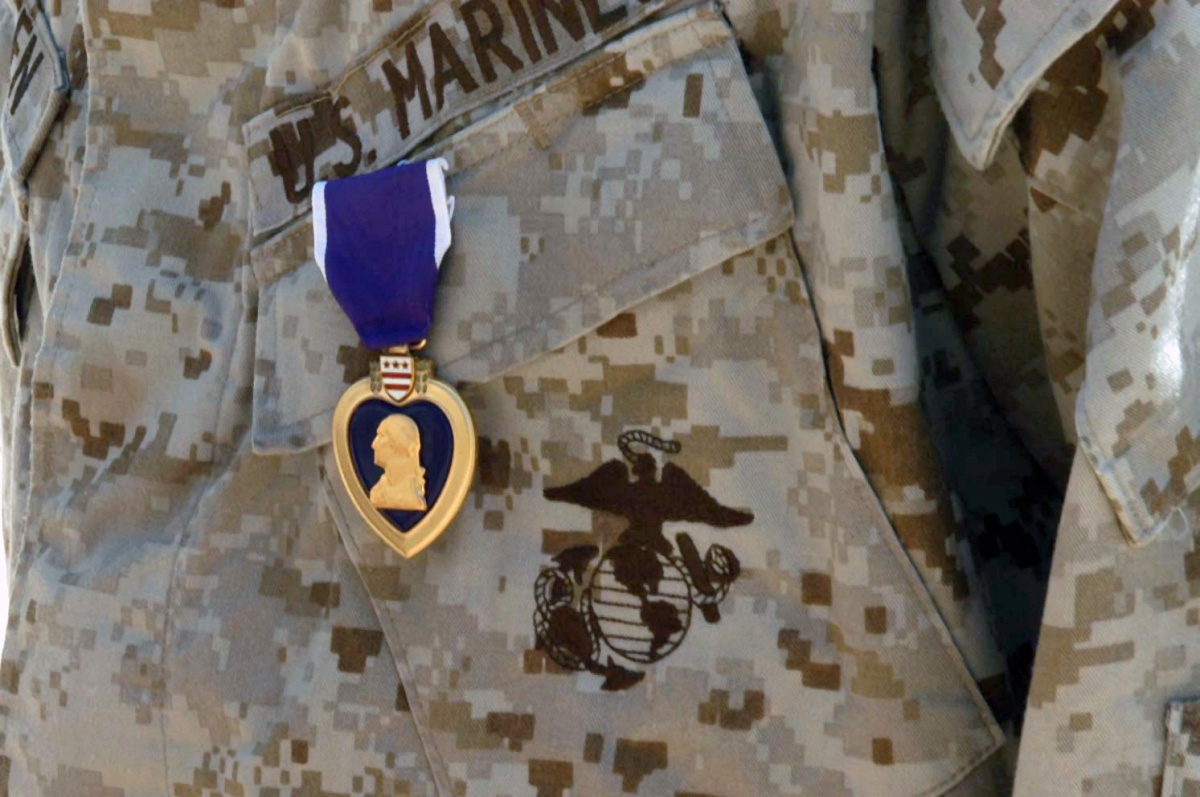
Back in another century, in another world, I was at West Point in a class with 500 other guys who had been born during World War II – many of whose fathers and uncles had been in the war. One of my uncles, a young marine buck sergeant, had been wounded in the landing at Guadalcanal. The father of one my classmates won the Distinguished Service Cross posthumously for his attack on Japanese ships in a lone B-17 three days after Pearl Harbor. My own father, who had survived polio as a kid in Mississippi, was rejected by the draft (remember the draft?) on account of a deformed rib, but he got a reserve commission while guarding an aircraft plant in San Diego. We grew up in their shadows, silently wondering whether we would measure up.
Courage wasn’t taught at West Point. I don’t know if it can be taught. We imagined it, read accounts of it, saw living exemplars of it around us, but never heard where it came from, how it was summoned, what it felt like. The major who was the Tactical Officer in charge of my cadet company had climbed the cliffs from Omaha Beach, but he never told us that. The only one I ever heard describe his heroism was a former grounds keeper at West Point – a Georgia-born, seventh-grade-educated, under-age-enlisted, battlefield-commissioned Medal of Honor winner brought back to the academy to explain to us how, wounded, he had carried out his company’s mission alone in Germany in 1945. In his telling, courage was mostly duty.
All that was physical courage – you know, when your life is at risk? But I’ve noticed that what our country needs now is the other kind – when it’s something less vital, but still important, like your job or your money or your country. We frequently hear quietly from legislators and government officials and university presidents and business executives that, yes, they fear that the country is sliding into dictatorship, but, you know, if they weigh the ability of working people to get health care against their own ability to keep a six-figure job, they see the scales tilt toward themselves.
Related stories
There are exceptions, of course. MSNBC News anchor Rachel Maddow, former CDC Director Susan Monarez, Epstein survivor Annie Farmer, New Yor Attorney General Letitia James, Los Angeles Mayor Karen Bass, former Federal Prosecutor Maurene Comey, FED Commissioner Lisa Cook, and many others (which reminds me, apropos of nothing, that there were no women at West Point in my day) have all found the courage, moral rather than physical, to resist, to push back, to reveal the truth, to say no.
One of my roommates at West Point won promotions and multiple decorations for his courage (what the army calls “valor”) in Viet Nam. Then, back home, during an assignment to a university ROTC program, he had time to rethink what he had seen in that war, and when the army sent him back to it, he reported for duty and solemnly said no. The army could have sent him to prison for a long time, and he knew it. But he said no. That took real courage, and the army apparently knew courage when they saw it.
Comments

Powered by RoundtableAn AI/DeFi-powered Enterprise Media Operating System. Learn more at Roundtable.io.© Roundtable 2026. By using this site you agree to the Terms of Use and Privacy Policy