


Sep 16, 2016 7:35 PM
Updated Feb 10, 2022 10:57 PM
Mario Solis-Marich: In recent months the use of stolen emails—the product of illegal cyber breaking and entering—have been used far and wide by the esteemed Fourth Estate to enhance their ratings and web click rates. Click rates and ratings are the news media's bread and butter.
If we found out that the Washington Post or the New York Times had received a truck load of stolen laptop computers and then distributed them to their journalists for use would it be a scandal?
Would the idea of the respected free speech guardians of our laws and protectors of the Constitution itself profiting from stolen property make us rethink their position in our society? Would the FBI be called in to investigate the known acceptance of stolen property by the respected newspapers and the use of that property to enhance their bottom line?
In recent months the use of stolen emails—the product of illegal cyber breaking and entering—have been used far and wide by the esteemed Fourth Estate to enhance their ratings and web click rates. Click rates and ratings are the news media's bread and butter.
In recent months the use of stolen emails—the product of illegal cyber breaking and entering—have been used far and wide by the esteemed Fourth Estate to enhance their ratings and web click rates. Click rates and ratings are the news media's bread and butter.
The implications of the legitimized use of stolen intellectual property are deep and varied and there is yet to be much more than a passing reference to the use for profit of this stolen content by the news industry. In fact some news programs have treated cyber criminals to primetime international interviews. Would a burglar of widescreen TVs receive such respect? Maybe they would but only from their fence.
Related stories
I have been and will be a continued advocate for the 1st Amendment however I do not believe that I , or anybody else, has a right to steal content and then profit from it.
While there is certainly a right for us to see and hear official content that is uttered by our elected and appointed officials there must be room for privacy for their unofficial musings and most importantly our own random thoughts as private citizens.
The implications of the normalization of the breech and sale of our private thoughts is enormous. The basic question is: Does our right to free speech survive or remain meaningful if we cannot have secret speech with confidants, advisors, and friends? Is the only right protected by the first amendment public speech? If public speech is the only form of speech that is worth protecting why do we have a state to state right to a secret ballot?
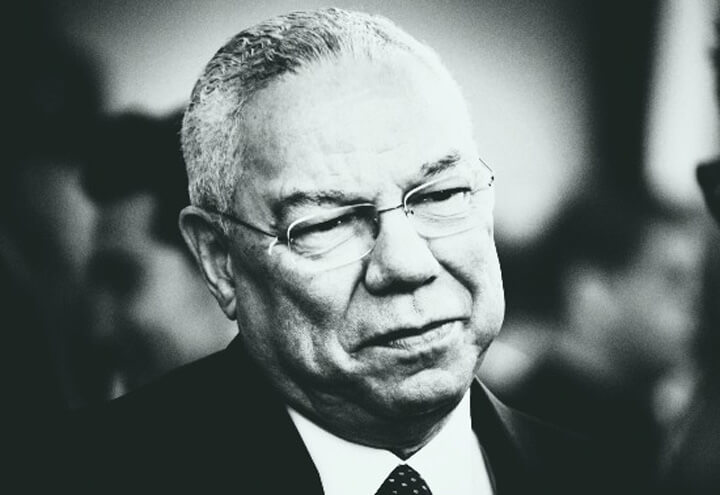
Much of the stolen property what we have been treated to most recently are the gossipy private thoughts of a retired and apparently embittered general. I am scratching my head to find out what about Powell’s thoughts regarding tabloid quality pieces in the New York Post are needed to be known by the public at large.
While I am not a fan of Colin Powell, I must ask: what if he were going to publish his thoughts in a autobiography? Has the market worth of the General’s musings been devalued by the predisclosure of what can easily be determined to be rough draft thoughts? Did the NY Times and Washington Post pay Powell for the use of his raw content?
I am sure that many news editors may not agree with my position on the issue of privately owned personal content. To them I say: prove your dedication to your position. Send me the passwords to a ALL of your email addresses for the past 5 years. After I receive your passwords let me climb into that open cyber window you have provided, ransack your words, and choose which ones to post on a blog. You will have proven your dedication to your principle and I will have made about $20 per thousand clicks.

Mario Solis-Marich
Comments

Powered by RoundtableAn AI/DeFi-powered Enterprise Media Operating System. Learn more at Roundtable.io.© Roundtable 2026. By using this site you agree to the Terms of Use and Privacy Policy