
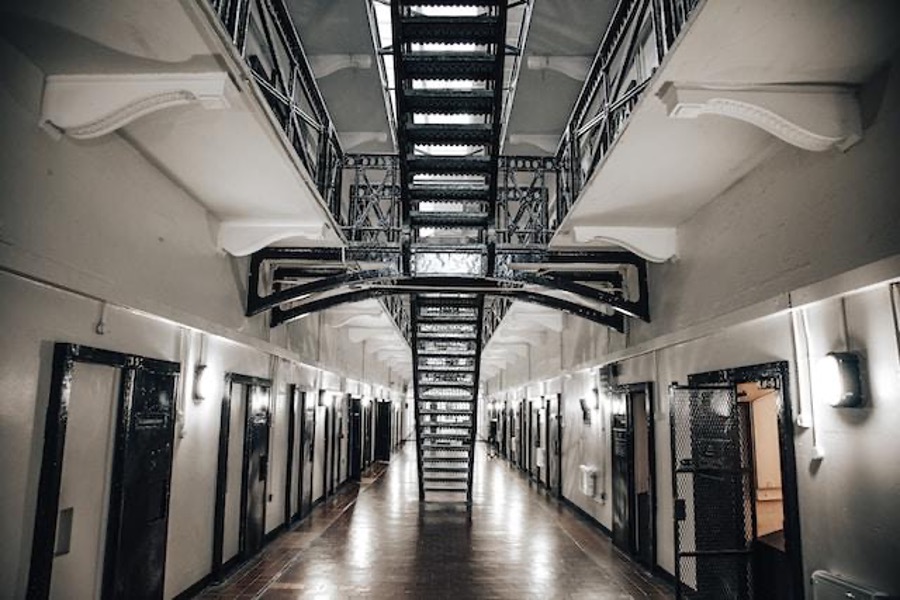
Photo by Tom Blackout on Unsplash


Mar 30, 2023 11:44 PM
Jails are short-term holding facilities typically managed by local law enforcement agencies
If you've ever been curious about the differences between various types of correctional facilities, you're in the right place. In this guide, we're going to break down the distinctions between prisons and jails, as well as shed some light on other forms of correctional facilities. We often hear these terms thrown around, but not many people truly understand what they mean or how the local Lewisville jail differs from a federal prison.
The goal of this article is to make it easy for you to grasp the basics, so you can better understand the world of corrections and the role it plays in our society. So, grab a cup of coffee (or tea, if that's your thing), and let's dive right in!
Jails
Hey there, let's start by exploring the world of jails. Jails are short-term holding facilities typically managed by local law enforcement agencies like city police departments or county sheriff's offices. They're designed to house individuals who are awaiting trial, sentencing, or transfer to another facility. Additionally, jails can also accommodate offenders who have been sentenced to serve short periods of time, usually less than a year.
There are a couple of types of jails you should know about: city and county jails, which are run by their respective local governments, and regional jails, which are shared by multiple jurisdictions. This allows nearby cities or counties to pool their resources and save on costs.
Related stories
Now, let's talk about what life is like in jail. Unfortunately, many jails face overcrowding issues, which can lead to uncomfortable and even dangerous conditions for both inmates and staff. However, it's not all bad news. Some jails offer educational and rehabilitation programs aimed at helping individuals get back on their feet once they're released. These programs can include classes, job training, and substance abuse counseling.
State Prisons
Alright, now that we've covered jails, let's move on to state prisons. State prisons are long-term facilities managed by state governments, designed to hold offenders who have been convicted of crimes and sentenced to serve more than a year. State prisons are where the bulk of the incarcerated population serves their time, and they differ significantly from jails in their purpose and the types of inmates they house.
State prisons come in various levels of security—minimum, medium, and maximum. Minimum-security prisons are often for non-violent offenders who pose a low risk to society. Medium-security prisons house inmates who require a higher level of supervision, but are not considered highly dangerous. Maximum-security prisons, as you might have guessed, are reserved for the most dangerous and high-risk offenders.
When it comes to conditions and programs in state prisons, overcrowding can still be an issue, just like in jails. However, state prisons generally offer a wider range of educational and vocational programs to help inmates prepare for life after release. These can include anything from GED classes to trade schools. Additionally, state prisons often provide rehabilitation services such as mental health counseling and substance abuse treatment.
Federal Prisons
Federal prisons are operated by the Federal Bureau of Prisons, a division of the U.S. Department of Justice. They house offenders who have been convicted of federal crimes, such as drug trafficking, financial fraud, or even terrorism. The federal prison system operates independently from state prisons, and they have their own set of rules and regulations.
Federal prisons also have different levels of security, ranging from minimum to high-security facilities. Minimum security facilities, sometimes called "camp" prisons, house low-risk, non-violent offenders. Low-security facilities have a bit more supervision, while medium-security prisons accommodate inmates who require even greater control. High-security facilities, also known as "U.S. Penitentiaries," are designed for the most dangerous and high-risk federal offenders.
Like state prisons, federal prisons face issues with overcrowding. However, they also offer various educational and vocational programs to help inmates prepare for reentry into society. These programs can include college courses, job training, and life skills development. Additionally, federal prisons provide rehabilitation and mental health services to inmates in need.
Private Prisons
Let's briefly discuss private prisons. Unlike the previously mentioned facilities, private prisons are operated by for-profit corporations that contract with government agencies to manage inmates. These corporations are responsible for providing everything from housing to medical care, food, and security.
Private prisons have sparked controversy over the years, as some argue that the profit motive can lead to cost-cutting measures that negatively impact the quality of services and conditions for inmates. Critics also question their overall cost-effectiveness compared to publicly-run facilities. Despite these concerns, private prisons continue to play a role in the correctional system, housing a portion of the incarcerated population. Up next, we'll look at alternative correctional facilities!
Alternative Correctional Facilities
Finally, let's explore alternative correctional facilities. These are designed to provide more specialized or community-based approaches to rehabilitation and reentry. Some examples include:
1. Halfway houses: Transitional living facilities that provide support and supervision to individuals recently released from prison or jail, helping them reintegrate into society.
2. Boot camps: Short-term, military-style programs aimed at rehabilitating young or first-time offenders through strict discipline and physical training.
3. Community correctional centers: Residential facilities that offer structured programs, such as counseling and employment assistance, for individuals on probation or parole.
4. Juvenile detention centers: Secure facilities for youth offenders, focusing on rehabilitation, education, and treatment services.

These alternatives showcase the diverse approaches to corrections, each with its own set of benefits and challenges.
Comments

Powered by RoundtableAn AI/DeFi-powered Enterprise Media Operating System. Learn more at Roundtable.io.© Roundtable 2026. By using this site you agree to the Terms of Use and Privacy Policy