


Jun 17, 2026 7:00 AM
Updated Jun 22, 2026 3:46 AM
A PLOS ONE study on mobile payment adoption points to perceived usefulness and ease of use as central parts of technology acceptance.
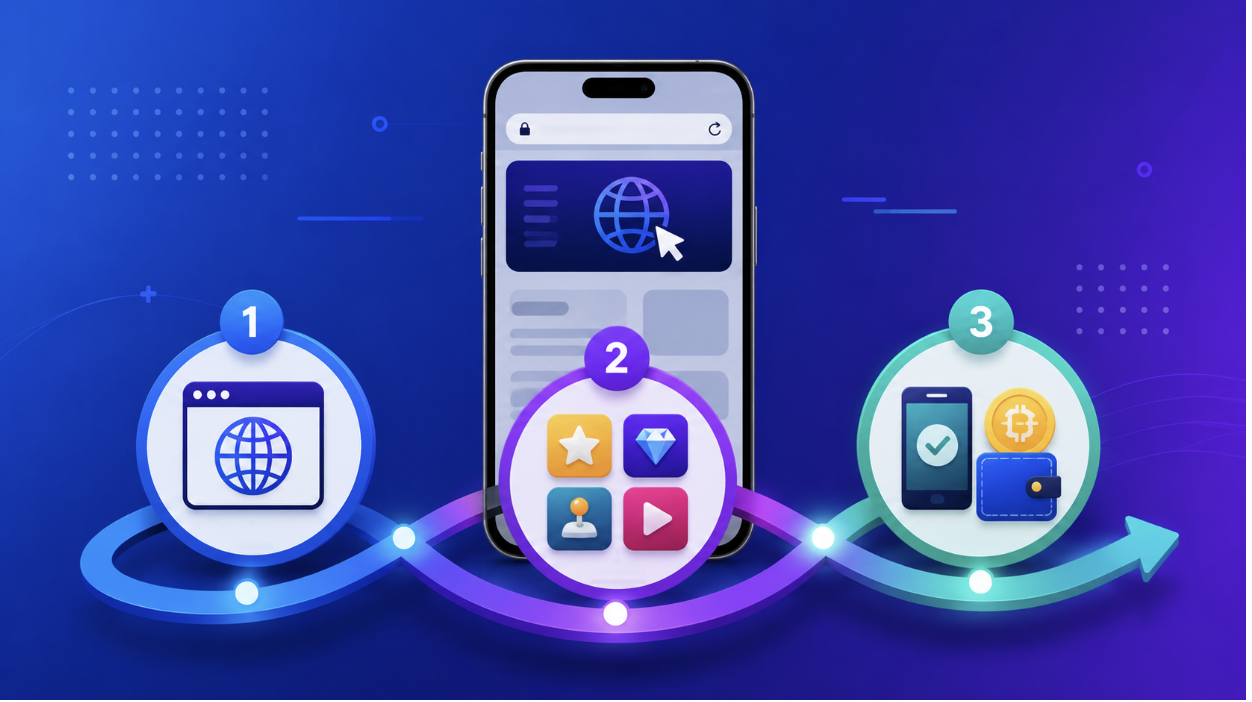
Mobile play works best when the tech runs smoothly. People do not pick it up hoping to manage software or wait through updates; they are often on a short break, with every minute wasted cutting into their downtime. The appeal of browser-based entertainment is often that it is the shorter path. You open the site, pick a format, choose a payment route, and keep the session light enough for the moment.
A PLOS ONE study on mobile payment adoption points to perceived usefulness and ease of use as central parts of technology acceptance. That idea explains no-download mobile casino games. The phone is already where people watch clips, check messages, and move money. Online play has to fit that habit, not ask the user to shift into desktop mode.
The Browser Path in Practice
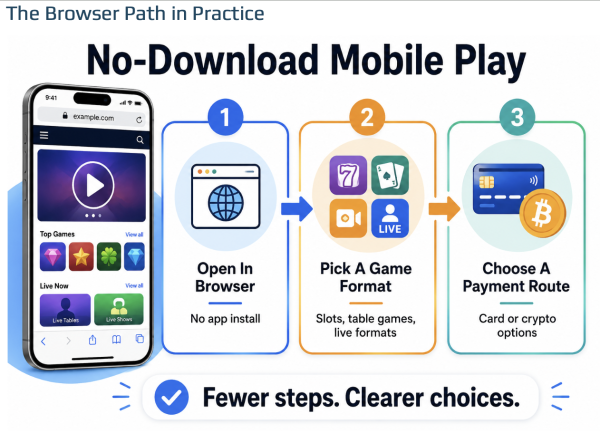
The cleanest mobile path starts before a game loads. A casual player first needs to know that the site works in a mobile browser, that the game types are easy to recognize, and that the payment choices match the methods they already understand. As a real example, this collection of Cafe Casino games includes a wide selection of mobile-optimized titles with no download necessary. Cafe Casino presents formats including slots, blackjack, roulette, table games, live dealer titles, specialty games, video poker, Plinko, and crash games.
That matters for the mobile setting because a short session may call for a different rhythm each time. A person checking in from a sofa may want live dealer play, while someone with only a few minutes may prefer a faster format. The page also places traditional card payments and crypto options in the same user journey, so the path is not only about opening games on a phone. It keeps access, format choice, and payment choice in one understandable flow.
Related stories
Cafe Casino’s Pay In More Ways post puts that payment mix into a simple frame by showing Bitcoin, Ethereum, Bitcoin Cash, Litecoin, Tether, Mastercard, and Visa together. For mobile users, the useful point is not technical novelty. It is recognition. A card user can see familiar rails. A crypto user can see familiar coins. The decision feels smaller when the available methods are visible as the player is already thinking about access.
The Three Decisions Behind a Short Session
No-download casino play is often discussed as a feature, but the better way to understand it is as a decision path. The phone compresses attention. A platform has to answer the main questions before impatience sets in.
The first decision is access. A browser-based path removes the app-store stop, which can be enough to keep casual play casual. The user does not have to decide whether an app deserves space on the phone. They can see how the site behaves on the device they already use.
The second decision is format. Mobile screens reward clear choices, especially when game types carry different pacing. Slots, table games, live dealer rooms, and specialty formats do not feel the same in a 5-minute window. A shorter path still needs enough variety for the player to match the session to the available time.
The third decision is payment. Mobile payment choice is not only about the method itself. It is also about confidence in the sequence. People want to know where the payment step sits, which options are accepted, and whether the method they prefer is available before they settle into the session.
Fewer Steps Should Not Mean Fewer Choices
There is a difference between simplicity and thinness. A basic site can be easy to open but offer little guidance once the player arrives. A stronger mobile experience removes friction while leaving real choices intact.
That balance is visible across digital entertainment. Streaming services reduce the time between opening an app and watching something. Food delivery apps remember locations and payment methods. Ticketing sites keep saved details close. Browser-based casino play belongs to the same consumer pattern: when the device is small and the moment is short, the path needs to be clear.
Payment variety adds another layer. Mastercard and Visa remain familiar because they are part of everyday online spending. Crypto options such as Bitcoin, Ethereum, Litecoin, Bitcoin Cash, and Tether serve users who keep digital wallets or prefer coin-based payments. The strongest mobile setup does not need to turn that into a lesson. It just has to present the options in plain sight and let the user continue with the method that fits.
Mobile Convenience Is A Design Discipline
The next standard for no-download play will be shaped by small details, rather than loud features. Fast loading matters. Clear game labels matter. Payment visibility matters. The same is true of return visits, where the user expects the second session to feel easier than the first.
Mobile casino games do not need to imitate another kind of app. The better direction is direct: respect the phone, respect the user’s time, and keep every required decision close to the moment it becomes relevant. No-download play succeeds when the technology gets out of the way without hiding the choices people care about.
That is where crypto and card payments become part of the same conversation. Payment acceptance depends less on novelty than on whether the method feels useful, understandable, and supported, a pattern described in the 2025 open-access paper regarding consumer acceptance for blockchain-based digital payment systems.
Comments

Powered by RoundtableAn AI/DeFi-powered Enterprise Media Operating System. Learn more at Roundtable.io.© Roundtable 2026. By using this site you agree to the Terms of Use and Privacy Policy