


Sep 3, 2025 7:00 AM
Updated Sep 7, 2025 12:13 AM
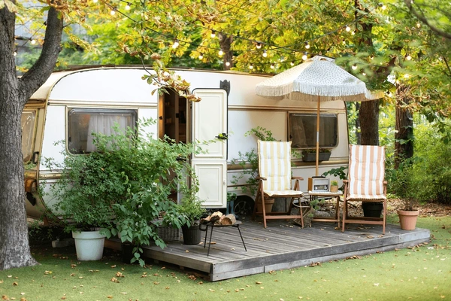
Using a camper van as a permanent dwelling in your backyard is against the zoning and land use code for residential areas.
The state of California is known as the "Golden State," and it gets plenty of sunlight throughout the year. It's a beautiful place to live, with mountains and stunning beaches. However, the state's housing costs have been skyrocketing, making it difficult for residents to find affordable housing.
One option to consider is living in a camper van or RV. But before you decide to live in a camper, you should be aware of the rules that govern the use of camper vans, as failure to comply can lead to being fined by the government.
Here's what you need to know:
California's Laws on Camper Vans
California law categorizes vehicles like camper vans, motorhomes, and trailers as temporary living spaces. These vehicles are built for recreational, emergency, or other temporary occupancy and are not designed for permanent living. The laws on occupancy vary based on the city or county you reside in, as they dictate how land should be used.
Related stories
For example, San Jose prohibits anyone from using a camper as a permanent residence outside of an RV park, and short-term stays require a permit.
Zoning Restrictions
Using a camper van as a permanent dwelling in your backyard is against the zoning and land use code for residential areas. The law requires you to get utility and sanitation permits for such use, without which you could be fined. In San Jose, municipal code §6.46.040 makes it unlawful to use a "house car" or trailer for living accommodations unless it's in a lawfully operated mobile home park or auto camp.
Even rural areas require you to have a temporary use permit to live in a camper. Homeowners' associations (HOAs) also impose rules, like banning campers from being parked in driveways.
Safety Concerns
Another concern that temporary living accommodations like RVs bring is health and safety. Living in a camper without proper sanitation can lead to disease and health code violations. Electrical wiring that fails to meet standards can result in a fire. That's why the state requires campers to have utility, water, and sanitation systems to be approved by the local authority.
Insurance is another issue: if you use your camper as a residence, you may need specialized full-time RV insurance, which is closer to a homeowners' policy. Without it, liability coverage could be denied if someone is injured on your property while staying in the camper.
Consequences of Breaking the Law
Living in a camper or other vehicle without the proper permit in the state of California can result in steep fines. Local governments typically issue a notice of violation, accompanied by penalties of around $100. These fines can escalate to $500 or $1000 with repeated offenses.
Some jurisdictions, like San Diego, can fine you for living in a camper outside a permitted zone, like an RV park. In the worst case, people may face property liens or have their camper forcibly removed.
Conclusion

To conclude, living in a camper in California comes with numerous regulations, and failing to be aware of them can result in legal trouble. Most areas do not permit permanent residence in RVs or camper vans, and there are strict health and utility regulations to be followed.
If you plan to live out of an RV, it is best to research the laws in your locality or consult a lawyer to ensure compliance with the law. HOAs also have their own codes for living in, parking, or storing temporary accommodations. You should check your HOA's rules to avoid complaints.
Comments

Powered by RoundtableAn AI/DeFi-powered Enterprise Media Operating System. Learn more at Roundtable.io.© Roundtable 2026. By using this site you agree to the Terms of Use and Privacy Policy