


May 21, 2023 7:00 AM
Updated May 23, 2023 4:23 PM
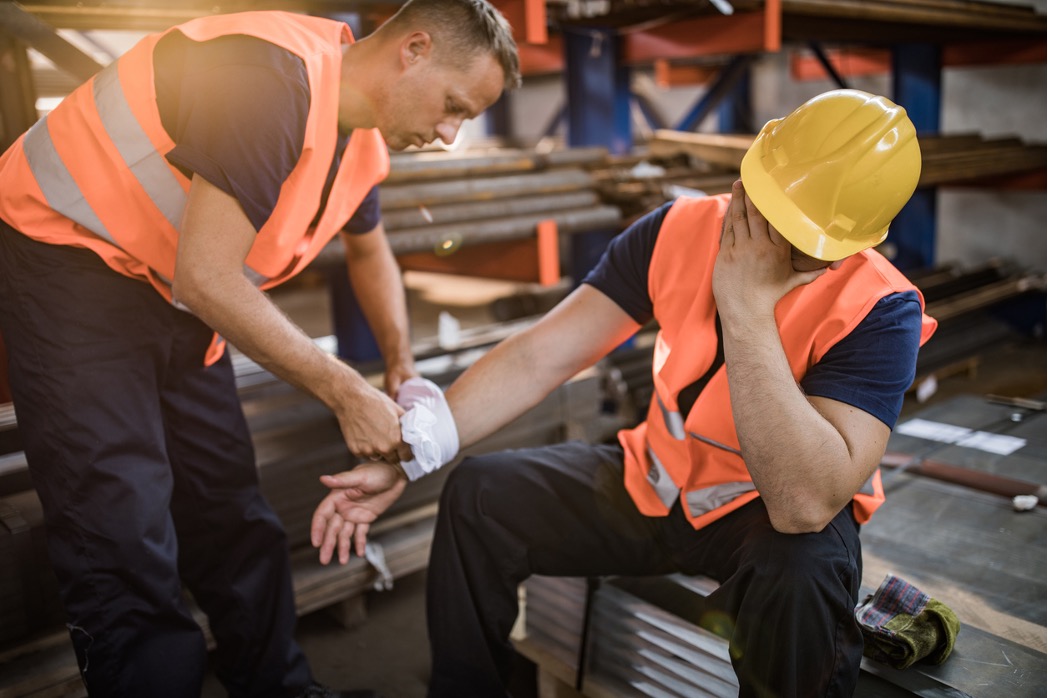
Employers need to take the necessary steps to prevent strain injuries in the workplace.
Workers’ compensation insurance is crucial for employees who suffer injuries or illnesses while performing their jobs. However, the process of filing a successful claim and receiving benefits can be complicated, as it involves multiple insurance companies and state regulations.
This article will explore the background context of workers’ compensation injuries and the various factors that impact the claims process.
Strains
One of the most common occurrences is a strain. This happens when a muscle or tendon is overexerted and either stretches or tears. The causes of strains can vary, but they often result from repetitive tasks, such as heavy lifting, pushing, or pulling objects.
Workers who are required to perform physically demanding tasks, or those who adopt awkward postures or reach overhead, are at an increased risk of experiencing a strain. These injuries can range in severity - from minor aches and pains to more severe strains that require extensive medical treatment - and may even result in time away from work.
Related stories
As such, employers need to take the necessary steps to prevent strain injuries in the workplace, such as providing training on proper lifting techniques, offering ergonomic equipment, and promoting regular breaks to allow workers to rest and stretch their muscles. And employees need to seek the assistance of a skilled workers' compensation lawyer. Luckily, the Shulman & Hill Law Firm can help.
Contusions
Contusions, commonly known as bruises, are a type of injury that occurs when blood vessels under the surface of your skin are damaged due to a blow or a fall. Bruises usually appear as a discoloration on the skin, ranging in color from black, blue, purple, or green. While most bruises are harmless and heal independently, certain instances may require medical attention.
It is always best to seek professional medical help if any of these symptoms occur, as early intervention can help prevent further complications. Bruising is common, and while it's mostly harmless, being aware of these warning signs can help you make informed decisions about your health.
Lacerations
Workers commonly experience lacerations or cuts for various reasons, including using inappropriate tools or equipment, poor maintenance of tools, missing machine parts, or improperly adjusted guards.
A cluttered and poorly lit workspace may also increase the risk of lacerations. It is important to note that lacerations can range from minor to severe, deep wounds that require immediate medical attention. In fact, the deep cuts may not only cause physical injury but also result in emotional and financial stress.
Employers must ensure that the workplace is properly maintained and all tools and machinery are in good condition, with appropriate safety guards and protective equipment provided and well-maintained to minimize the risk of lacerations.
Sprains
Sprains are an extremely common injury in workplaces and can occur when a ligament is stretched or torn. OSHA reports that sprains are often caused by repetitive motions, lifting, pushing, or pulling heavy objects, and having awkward posture or reaching overhead.
Repetitive motions, such as those performed by assembly line workers, can cause damage to the ligaments over time from constant wear and tear. Lifting, pushing, or pulling heavy objects can also cause ligament strain due to the extra physical exertion required. Awkward or forced postures can place undue stress on ligaments, further increasing the risk of sprains.
Reaching overhead, whether to lift or retrieve an object, can also cause ligament damage, especially if this motion is repeated frequently throughout the day. Employees need to be properly trained in lifting techniques and ergonomics to prevent sprains in the workplace and provide adequate equipment for heavy lifting tasks.
Punctures
Puncture wounds are a common occupational hazard many workers are exposed to when working with tools such as knives and scissors or handling items that can easily penetrate the skin, such as nails, glass, or splintered surfaces.
This type of injury occurs when a pointed object, such as a sharp tool or a foreign body, penetrates the skin and underlying tissues, causing varying degrees of damage. It is important to note that puncture wounds caused by dull blades or improper handling of metal shards or broken glass are common risks that can lead to serious injury.
Such wounds can result in pain, swelling, infection, or even tetanus, and workers need to take precautions, such as using appropriate protective clothing and handling tools with care, to avoid these injuries.
Prevent These Common Injuries!

Awareness of the most common types of work injuries is critical for employers and employees. These injuries are costly for employers and can lead to a loss of productivity and significant pain and suffering for employees. By maintaining a safe and healthy work environment, businesses can reduce the likelihood of injury and improve overall morale and productivity.
Comments

Powered by RoundtableAn AI/DeFi-powered Enterprise Media Operating System. Learn more at Roundtable.io.© Roundtable 2026. By using this site you agree to the Terms of Use and Privacy Policy