



Aug 1, 2026 7:00 AM
Updated Aug 11, 2026 11:34 PM
A well-lit, professional-looking product photo can be the difference between a sale and a scroll-past on any online marketplace — and for a lot of small, community-rooted sellers, that photo has simply been out of reach.
Cooperatives, worker-owned shops, and mission-driven small businesses have always had to do more with less. Community-funded startups don't have the marketing budgets that venture-backed competitors take for granted, and one of the quietest ways that gap shows up is in something as basic as product photography. A well-lit, professional-looking product photo can be the difference between a sale and a scroll-past on any online marketplace — and for a lot of small, community-rooted sellers, that photo has simply been out of reach.
Why This Matters for Economic Justice, Not Just Marketing
It's easy to dismiss product photography as a minor cosmetic detail, but the economics are real. A worker-owned bakery, a fair-trade import collective, or a formerly incarcerated entrepreneur's first small business all compete on the same online marketplaces as companies with dedicated design teams and professional photography budgets. When a well-funded competitor's product photo looks polished and a community business's photo looks like it was taken on a counter with poor lighting, customers notice — even when the smaller business's product, ethics, and story are genuinely better.
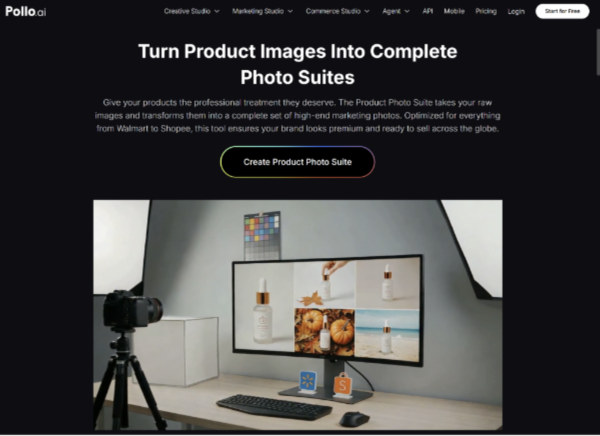
This isn't a level playing field, and it hasn't been for years. But the tools needed to close that specific gap have gotten dramatically more accessible. Pollo Al's AI Product Photo Suite lets a small seller take a basic photo — shot on a phone, in a kitchen, in a garage workshop — and turn it into something that looks genuinely competitive with professionally produced imagery, without the cost of a photographer or studio rental.
What This Actually Looks Like for a Small Cooperative
Picture a worker-owned food cooperative selling preserves and baked goods online. Every new product — a seasonal jam, a new bread variety — traditionally needed either a DIY photo setup with equipment the co-op doesn't own, or a paid photographer the budget doesn't stretch to for every small-batch item. The result is often either skipping proper photos entirely or using something that undersells a genuinely good product.
Related stories
Generating clean, consistent product images from photos already taken on hand changes that equation. A cooperative can photograph a new product simply, then produce a polished, market-ready image without diverting money away from wages, materials, or the mission that actually matters to the business. Pollo AI's tool handles this directly, which matters most for organizations that would rather put limited funds toward people than toward marketing overhead.
Handling the Details That Make a Photo Trustworthy
Sometimes a product photo doesn't need a full redo — it just needs one specific fix. A background needs cleaning up, an object needs adjusting, or a photo taken alongside other unrelated items needs isolating to look professional. Remaker AI is built specifically for this kind of targeted photo editing, and Pollo AI connects directly into it, letting a small business handle both broader photo generation and precise, smaller fixes within the same simple workflow.
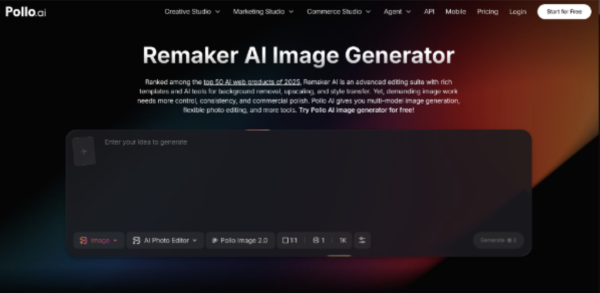
For a small seller without design experience, knowing Remaker AI exists as an option for quick, specific edits — rather than needing an entirely new photo shoot for one small fix — saves real time that's better spent running the actual business.
Building This Into How Small Organizations Operate
Cooperatives and mission-driven businesses that manage this well tend to treat photo editing as a small, recurring task built into their existing workflow — handled by whoever already manages online listings, rather than requiring a dedicated design hire. A simple habit, revisiting product photos every time a new item launches or an old listing needs refreshing, keeps a storefront looking consistently professional without pulling resources away from the actual work of the organization.
The Bigger Picture
None of this changes the deeper structural gaps that community-rooted and worker-owned businesses face — access to capital, fair lending, and market visibility remain much larger fights. But the specific, narrow barrier of "does our product look as professional online as a well-funded competitor's" is one that's become genuinely solvable without new spending. For organizations built on stretching every dollar as far as it can go, that's a small but real win worth knowing about.
Comments

Powered by RoundtableAn AI/DeFi-powered Enterprise Media Operating System. Learn more at Roundtable.io.© Roundtable 2026. By using this site you agree to the Terms of Use and Privacy Policy