


Feb 3, 2026 8:00 AM
Updated Feb 9, 2026 1:30 AM
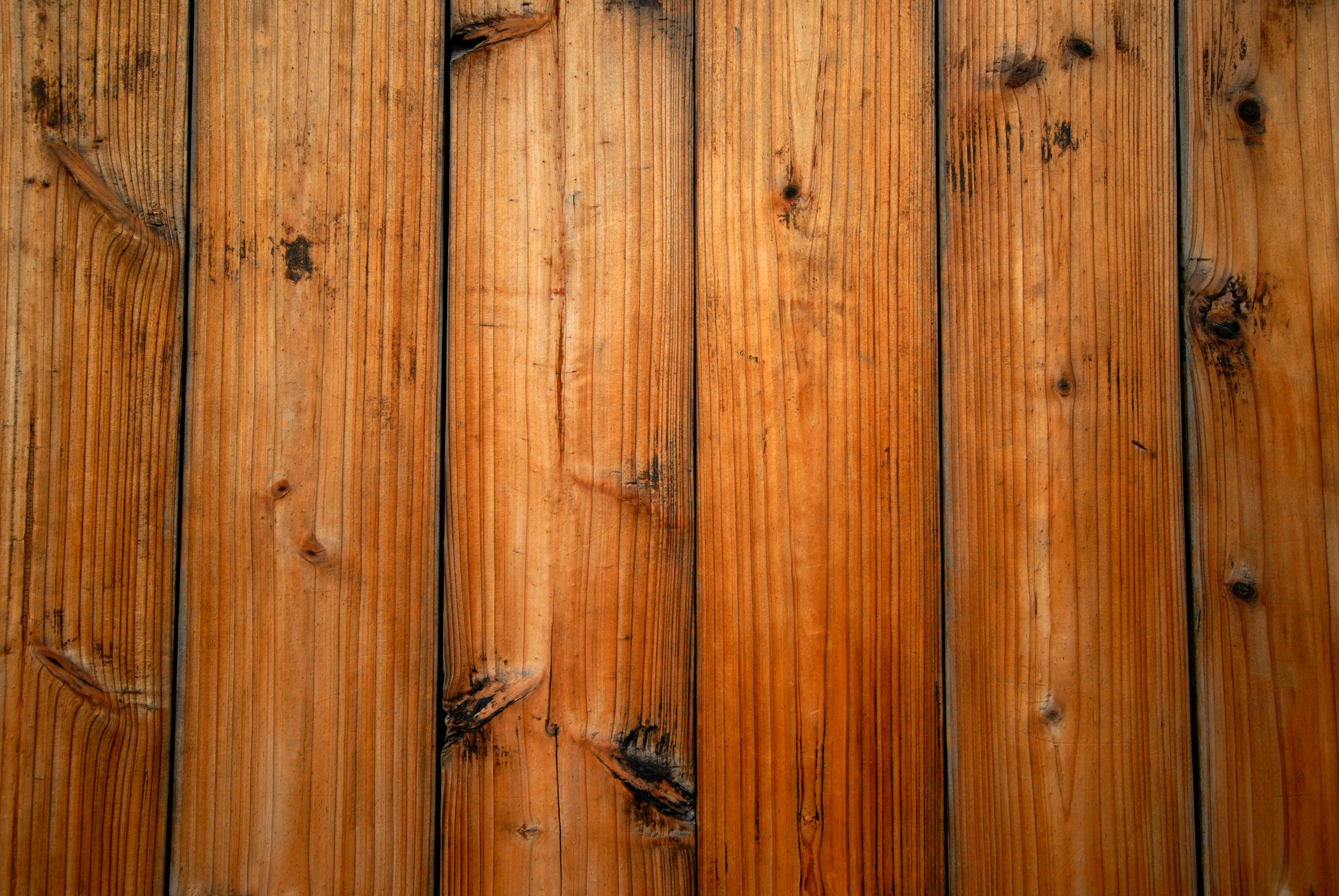
Beyond privacy and curb appeal, wooden fencing can play a meaningful role in reducing street noise around your home.
Living near a busy street can slowly wear you down. Traffic sounds, delivery trucks, honking, and late-night road noise often make it hard to relax at home. While you can’t control what happens on the road, you can control how much of that noise reaches your yard and living spaces.
One practical and often overlooked solution is a well-designed wooden fence. Beyond privacy and curb appeal, wooden fencing can play a meaningful role in reducing street noise around your home.
This article explains how wooden fences help with noise reduction, what designs work best, and what homeowners should realistically expect.
Why Street Noise Travels So Easily
Sound moves through the air in waves. Open yards, hard surfaces, and straight paths allow those waves to travel freely toward your home. In many neighborhoods, especially in growing areas, homes were not originally designed with noise control in mind.
Related stories
Common reasons street noise reaches your yard include:
- Open sightlines between the road and your property
- Low or decorative fencing with gaps
- Hard surfaces like concrete that reflect sound
- Lack of landscaping to absorb noise
A solid wooden fence interrupts this path and weakens sound waves before they reach your outdoor space.
How Wooden Fences Reduce Noise
Wooden fences reduce noise mainly by blocking and absorbing sound.
1. Sound Blocking
A tall, solid fence forces sound waves to hit a physical barrier instead of traveling directly into your yard. While no fence can eliminate noise entirely, a properly built wooden fence can noticeably lower volume levels.
The key factors are:
- Fence height
- Board thickness
- Tight board spacing
2. Sound Absorption
Wood is a natural sound absorber. Unlike metal or vinyl, wood doesn’t bounce sound waves as aggressively. Instead, it softens and disperses them.
This is especially helpful for:
- Constant traffic noise
- Engine hum
- Tire sounds on wet pavement
Fence Design Matters More Than Material Alone
Not all wooden fences reduce noise equally. Design choices make a big difference.
Best Fence Styles for Noise Reduction
● Board-on-board fencing
Overlapping boards eliminate gaps where sound can pass through.
● Tongue-and-groove panels
Tight interlocking boards create a continuous sound barrier.
● Shadowbox (with modification)
Standard shadowbox fences allow sound through, but a double-layer version can help.
Avoid:
- Picket fences
- Decorative fences with gaps
- Short fence heights
Height Plays a Big Role in Sound Reduction
A fence must be tall enough to block the direct line of sound between the road and your yard.
General guidelines:
- 6 feet: modest noise reduction
- 7–8 feet: noticeable improvement
- Taller fences (where allowed): better sound interruption
Local building codes may limit height, so it’s important to plan within regulations.
Thickness and Board Quality Matter
Thin boards vibrate more when sound hits them, allowing noise to pass through. Thicker boards resist vibration and block sound more effectively.
Recommended options include:
- Cedar or redwood boards
- Pressure-treated lumber with adequate thickness
- Double-layer fence construction for high-noise areas
The Role of Gaps (and Why They Matter)
Even small gaps between boards allow sound to leak through. When noise reduction is the goal, spacing should be minimal.
Effective strategies:
● Zero-gap installation
● Overlapping boards
● Adding a second fence layer
While tighter spacing increases material cost, it significantly improves noise control.
Combining Fences with Landscaping for Better Results
A wooden fence works even better when paired with landscaping.
Helpful additions include:
● Dense shrubs along the fence line
● Evergreen hedges
● Climbing plants that add surface texture
Plants absorb and scatter sound waves, improving overall performance while enhancing appearance.
What Wooden Fences Can and Can’t Do
It’s important to set realistic expectations.
What They Can Do Well
● Reduce constant traffic noise
● Lower overall sound volume
● Improve outdoor comfort
● Create a calmer backyard environment
What They Can’t Fully Do
● Eliminate emergency sirens
● Block very loud engines entirely
● Replace indoor soundproofing
That said, many homeowners report noticeable improvements in comfort after installing solid wooden fencing.
Maintenance and Long-Term Performance
For noise reduction to remain effective, the fence must stay solid.
Maintenance tips:
● Replace warped or cracked boards
● Reseal wood every few years
● Repair gaps promptly
A well-maintained fence maintains both its structure and its sound-dampening ability over time.
Is a Wooden Fence Worth It for Noise Reduction?
For homeowners dealing with street noise, wooden fencing is one of the most practical outdoor solutions available. It offers multiple benefits at once:
● Privacy
● Security
● Visual appeal
● Reduced noise
While it may not create total silence, it can make a meaningful difference in daily comfort.
Final Thoughts
Street noise is a growing issue in many residential areas, but it doesn’t have to control how you enjoy your home. A thoughtfully designed wooden fence can interrupt noise paths, soften sound, and create a quieter outdoor space.
By choosing solid construction, proper height, tight spacing, and quality materials—and working with a wood fence installation specialist familiar with urban noise challenges—homeowners can significantly improve their living environment without major structural changes.
Comments

Powered by RoundtableAn AI/DeFi-powered Enterprise Media Operating System. Learn more at Roundtable.io.© Roundtable 2026. By using this site you agree to the Terms of Use and Privacy Policy