


Nov 5, 2025 8:00 AM
Updated Nov 10, 2025 1:59 AM
Decorating your living room has never been just about looks - it’s always been a reflection of who you are.
It’s easy to think of a sofa as “just” furniture - a place to sit and relax at the end of a long day. But look closer, and it’s clear the humble sofa has evolved into something much more personal, practical, and political than we give it credit for.
In many ways, the sofa has become a symbol of how we live today - balancing comfort and function, design and identity, lifestyle and affordability. Whether we’re working from home, raising families, hosting communities, or rethinking the meaning of comfort in uncertain times, the sofa plays a starring role.
So why does something as commonplace as a sofa still matter? Turns out, the story starts with what it represents.
Comfort and Identity Are Now Intertwined
Decorating your living room has never been just about looks - it’s always been a reflection of who you are. But in 2025, this idea has been amplified by remote work, social media, and the growing connection between home and self.
Related stories
That’s why more people are:
● Choosing colors and textures that reflect mood and personality
● Prioritizing comfort over trend-chasing
● Sharing room designs online as forms of self-expression
The sofa is no longer a static object in a living room - it's a visual and emotional centerpiece.
The Rise of Signature Comfort
With the shift toward flexible work, multi-purpose living, and longer hours spent at home, comfort has quickly become a practical necessity - not a luxury.
That’s led to bigger trends in sofa design, including:
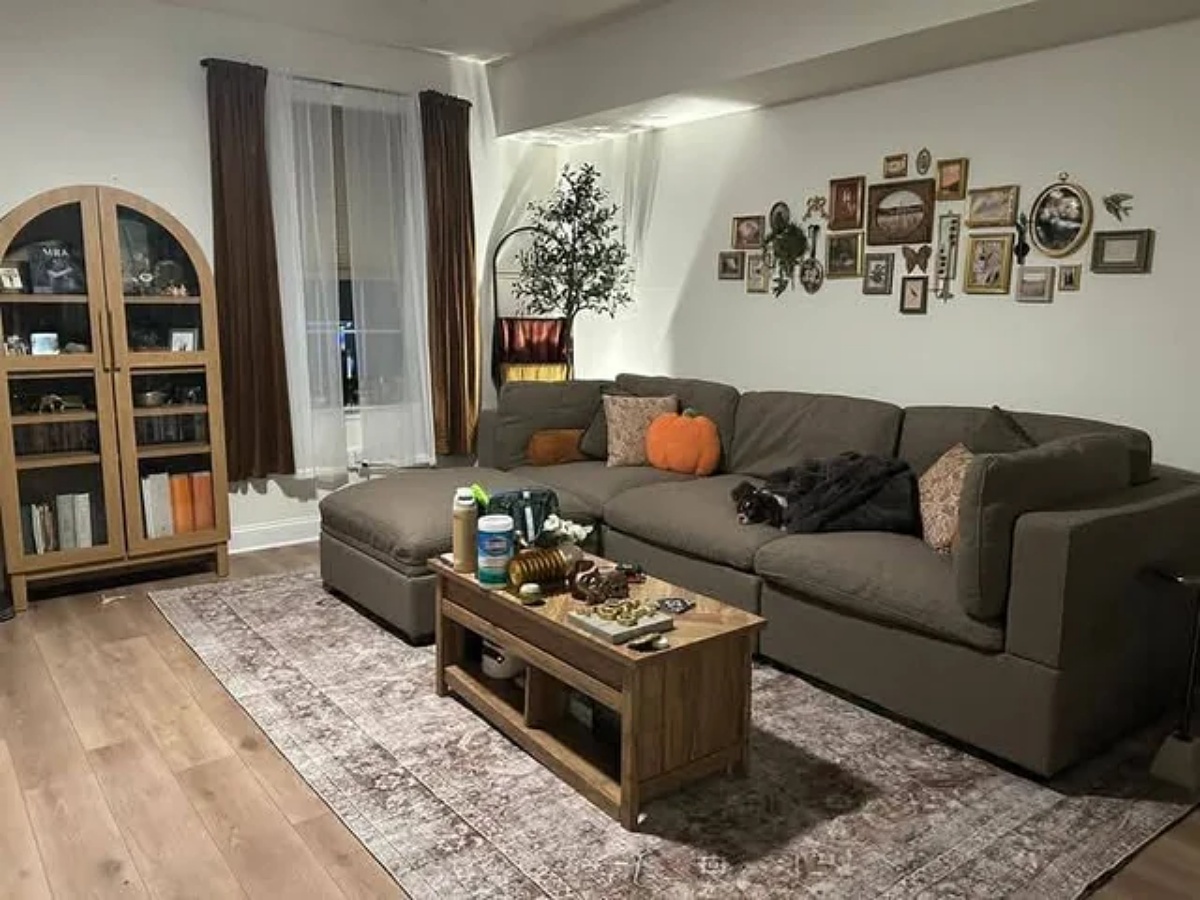
● Deep-seated sectionals made for lounging and multitasking
● Modular sofas that can move, resize, or reconfigure as life changes
● Bouclé and performance fabrics that feel good and hold up
● Cloud-like cushions built from multi-layered foam and down blends
It’s no longer enough for something to be stylish. If it doesn’t support mental and physical comfort, it’s irrelevant.
Sofas Are a Window into Changing Social Habits
Think about what living rooms looked like 30 years ago: upright couches built for formal sitting, coffee tables designed for “company,” rooms meant to impress visitors - not reflect the actual rhythms of the people who lived there.
Today?
● Dining rooms become work zones
● Sectionals become conversation hubs
● Living rooms host work, meals, naps, community circles, gaming, therapy, and beyond
The way a sofa is built is a response to cultural changes: bigger families, blended households, remote jobs, and shrinking private spaces.
That makes the modern sofa not just a design object - but a tool for navigating contemporary life.
The Financial Side: Why Good Sofas Cost More - and Still Sell Out
It’s no secret that many high-quality sofas cost more than ever. But people aren’t just paying for a brand name - they’re paying to avoid:
● Sagging cushions in six months
● Plywood frames that fall apart
● Synthetic fabrics that stain easily
● Chemical-heavy materials that off-gas for years
More and more, people are realizing that buying cheap means buying twice.
This growing awareness is pushing consumers to do more research, get more transparent answers, and look beyond marketing tags - like seeking unfiltered opinions from forums like SofaSnobs, where real owners compare brands, share durability concerns, and document long-term quality in a way no showroom ever could.
This shift - from passive consumer to informed buyer - is not just economic. It's cultural resistance to waste, planned obsolescence, and disposable systems.
Sofas and Sustainability: What We Buy Is What We Support
A massive percentage of discarded furniture winds up in landfills every year - especially couches and sectionals. And because cheap furniture is often built with toxic adhesives, treated fabrics, and flimsy framing, it can’t be recycled - it can only be buried, burned, or broken apart.
Buying better - even if less often - means supporting:
● Responsible forestry and sourcing
● Repairable and replaceable parts
● Longer-lasting frames and fabrics
● Businesses built to reduce waste, not create it
The sofa is a microcosm of a bigger question: are we buying for now, or for later?
A Sofa Is Never “Just” a Sofa
Whether you’re a design-lover, budget shopper, working parent, hosting neighbor, or lifelong renter - your sofa says something about what you believe in. It’s where you gather, where you rest, where you think, where you laugh. It’s a part of home life that feels deeply personal - and deeply universal.
- It’s a place to collapse into and a place to build out from.
- It’s a comfort object in a chaotic world.
- It’s a reminder that where we live is also who we are.
The Takeaway
The next time you sit down on a sofa, remember: it’s not just a seat. It’s shelter, identity, economy, culture - and care. And in a time when home is both refuge and responsibility, that matters more than ever.
- Choosing well means honoring that space.
- Understanding how it's made means owning your impact.
- And connecting with others who’ve done the same - well, that’s how we learn together.
Comments

Powered by RoundtableAn AI/DeFi-powered Enterprise Media Operating System. Learn more at Roundtable.io.© Roundtable 2026. By using this site you agree to the Terms of Use and Privacy Policy