


Why Hay Is Crucial
Mar 25, 2024 7:00 AM
Updated Mar 27, 2024 5:18 PM
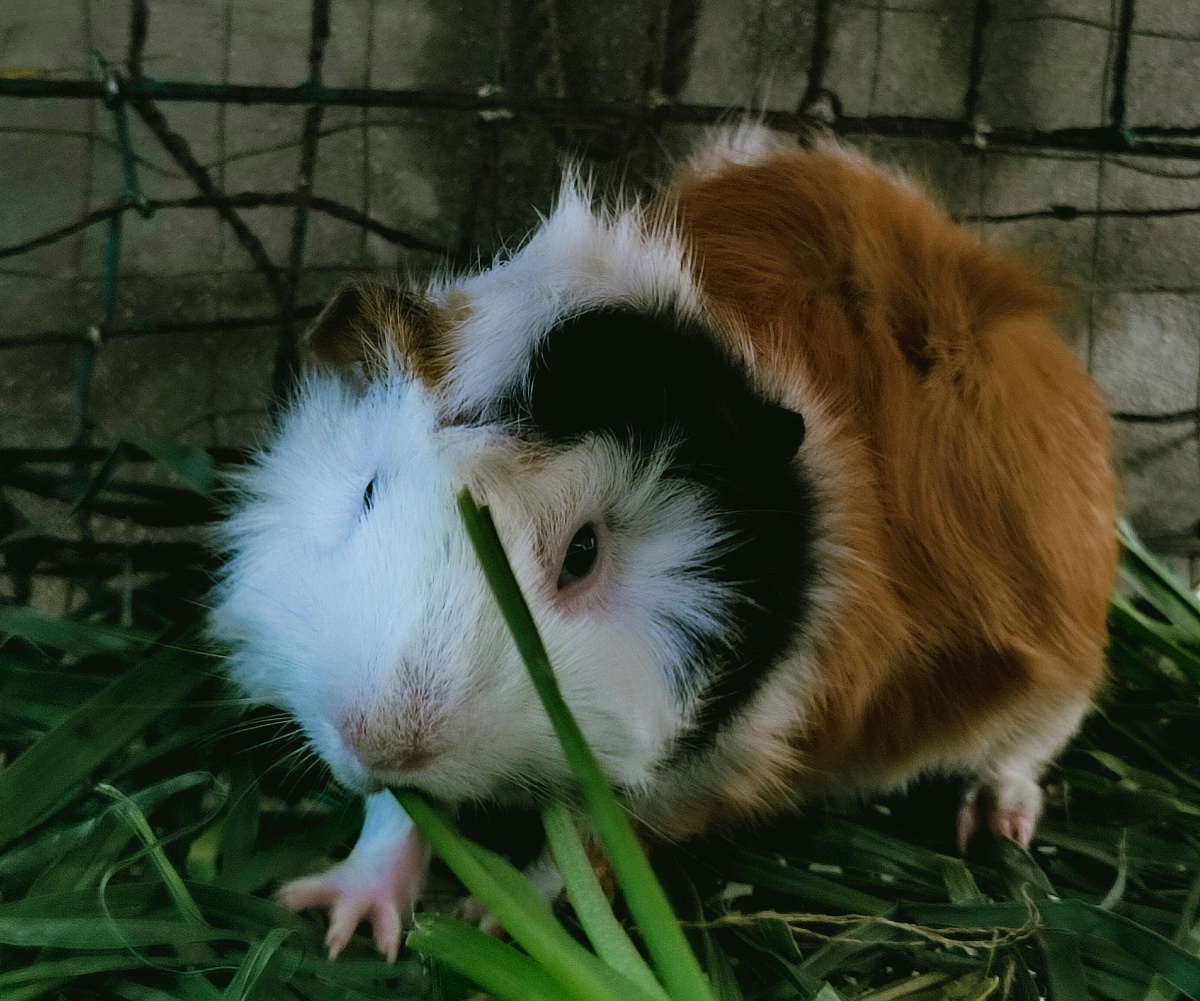
Hay, particularly grass hay such as timothy, orchard, or meadow hay, serves as a primary source of fibre for these small mammals.
Guinea pigs, adorable and social little creatures, are beloved pets in many households. Yet, ensuring their well-being involves more than just providing food and shelter. One crucial aspect of caring for guinea pigs often overlooked by owners is the essential role of hay in their diet and overall health. This comprehensive guide delves into why guinea pig hay is crucial for their well-being.
Nutritional Benefits of Hay
Guinea pigs are herbivores with a unique digestive system that requires a high-fibre diet. Hay, particularly grass hay such as timothy, orchard, or meadow hay, serves as a primary source of fibre for these small mammals. Fiber aids in proper digestion, preventing gastrointestinal issues like bloating and stasis. Moreover, hay provides essential nutrients like vitamin C, which guinea pigs cannot synthesise on their own but is vital for their health.
Dental Health
Guinea pigs have continuously growing teeth that require regular wear to prevent overgrowth and related dental problems. Chewing on hay provides the necessary abrasion to keep their teeth at a healthy length. Without sufficient hay in their diet, guinea pigs risk dental issues such as malocclusion, which can lead to pain, difficulty eating, and other complications.
Mental Stimulation
In their natural habitat, guinea pigs spend significant time foraging for food. Incorporating hay into their environment encourages natural behaviours, providing mental stimulation and enrichment. Foraging through hay mimics their instinctual behaviour, promoting physical activity and preventing boredom.
Related stories
Weight Management
Obesity is a common health concern among pet guinea pigs, often resulting from an imbalanced diet and lack of exercise. Hay is low in calories but high in fibre, making it an ideal component of their diet for weight management. Additionally, grazing on hay helps regulate their appetite and prevents overeating of less nutritious foods, such as pellets or treats.
Gut Health and Digestive Function
Gut health and digestive function play pivotal roles in guinea pigs' overall well-being. These furry companions rely on a delicate balance of microorganisms within their gastrointestinal tract to process food effectively and extract essential nutrients. One key component in maintaining this balance is consuming high-fiber foods like hay.
Hay serves as a cornerstone of a guinea pig's diet, providing essential nutrients and a vital source of fermentable material for beneficial gut bacteria. This fermentable fibre is crucial for promoting the growth of these beneficial microbes, which in turn aids digestion and nutrient absorption.
Moreover, the fermentation process helps to regulate pH levels within the gut, creating an environment conducive to the proliferation of beneficial bacteria while inhibiting the growth of harmful pathogens.
Respiratory Health
Quality hay free from dust and mould is essential for maintaining respiratory health in guinea pigs. Dusty or mouldy hay can exacerbate respiratory problems and predispose them to pneumonia. Opting for fresh, high-quality hay and storing it properly in a dry, well-ventilated area helps mitigate respiratory risks.
Types of Hay and Feeding Guidelines
Not all hay is created equal, and offering a variety to meet your guinea pig's nutritional needs is essential. Timothy hay is a staple for most guinea pigs, but introducing other grass hays like orchard or meadow hay adds variety and prevents dietary monotony.
Freshness is key, so ensure hay is free from mould, dust, and pests before offering it to your pets. Offer abundant hay, allowing guinea pigs to graze throughout the day and replace it regularly to maintain freshness.
Hay Alternatives and Supplements
While hay should form the bulk of a guinea pig's diet, certain circumstances may necessitate alternatives or supplements. For instance, if hay quality is poor or unavailable, options like hay cubes or pellets can temporarily supplement their diet. However, these should only partially replace fresh hay and be used sparingly. Additionally, vitamin C supplements may be necessary for guinea pigs with dietary deficiencies, but consult a veterinarian before introducing any supplements.
Weight Management
Hay is a low-calorie, high-fibre food that helps guinea pigs maintain a healthy weight. Unlike many commercial treats and pellets, hay encourages natural grazing without contributing to excessive calorie intake. This is particularly important as obesity can lead to various health issues in guinea pigs, including joint problems and cardiovascular issues. By providing unlimited access to hay, you can help your guinea pig maintain an optimal body condition.
Hydration and Dental Hygiene
Chewing on hay promotes saliva production, which aids in hydration and helps keep your guinea pig's mouth clean and healthy. The abrasive texture of hay helps remove food particles and plaque from their teeth, reducing the risk of dental decay and gum disease. Additionally, chewing on hay provides mental stimulation, preventing boredom and supporting overall dental hygiene.
Natural Foraging Instincts
Guinea pigs are natural foragers, spending much of their time in the wild searching for food. By providing hay in their enclosure, you tap into this instinctual behaviour, allowing them to engage in natural foraging activities. This enriches their environment, alleviates boredom, and prevents behavioural problems such as chewing on cage bars or excessive grooming.
Environmental Enrichment and Mental Stimulation
Beyond its nutritional benefits, hay is an important source of environmental enrichment for guinea pigs. Creating opportunities for natural behaviours such as burrowing and nesting in hay piles promotes mental stimulation and overall well-being. Enriching their living environment with hay encourages physical activity and exploration, reducing stress and anxiety levels in captive guinea pigs.
Prevention of Hairballs
Guinea pigs are meticulous groomers and may ingest loose hair during grooming sessions, forming hairballs in their digestive tract. A diet rich in hay helps prevent the formation of hairballs by promoting healthy digestion and regular bowel movements. The rough texture of hay aids in moving ingested hair through the digestive system, reducing the risk of blockages and associated health issues.
Conclusion

Incorporating hay into your guinea pig's daily diet and environment provides them with essential nutrients, promotes natural behaviours, and supports overall health and well-being. From dental health to mental stimulation, the benefits of hay extend far beyond mere nutrition, making it an indispensable component of a balanced and enriching lifestyle for your furry friend.
Comments

Powered by RoundtableAn AI/DeFi-powered Enterprise Media Operating System. Learn more at Roundtable.io.© Roundtable 2026. By using this site you agree to the Terms of Use and Privacy Policy