


Apr 30, 2024 7:00 AM
Updated May 2, 2024 9:43 PM
Meticulous planning is crucial for effective cold chain logistics, cutting-edge packaging solutions, and advanced technology to maintain seamless temperature control throughout the supply chain.
Keeping temperature-sensitive products fresh and effective during transit is a critical challenge faced by industries like pharmaceuticals and food. Meticulous planning is crucial for effective cold chain logistics, cutting-edge packaging solutions, and advanced technology to maintain seamless temperature control throughout the supply chain.
In this guide, we delve into the pivotal role played by wholesale shipping supplies, regulatory considerations, and proven strategies to mitigate risks and optimize operations.
Whether you're an experienced logistics professional or a business owner looking to strengthen your cold chain operations, this guide equips you with the knowledge and best practices to ensure consistent quality and safety for your temperature-sensitive goods.
Importance of Effective Cold Chain Management
Effective cold chain management plays a critical role in maintaining the quality, integrity, and safety of temperature-sensitive products throughout the supply chain. A single breach in temperature control can render life-saving pharmaceuticals ineffective, promote bacterial growth in perishable foods, and compromise consumer safety.
Related stories
Cold chain logistics is not just about preserving product viability but a necessity for upholding public health standards and preventing substantial financial losses. Implementing robust protocols is imperative for any organization dealing with temperature-sensitive cargo like pharmaceuticals, vaccines, fresh produce, or other perishables.
Cold chain management directly impacts product efficacy, consumer well-being, and business profitability, making it an indispensable aspect of temperature-controlled supply chains.
Advanced Packaging Solutions for Cold Chain Logistics
Cutting-edge packaging solutions are at the heart of effective cold chain logistics and wholesale shipping supplies designed to maintain optimal product temperatures, even in the face of extreme environmental conditions. Insulated containers, gel packs, and phase change materials (PCMs) are among the most widely utilized thermal packaging options.
Insulated Containers: These robust enclosures are engineered with high-performance insulation materials, ensuring superior temperature retention for extended periods. Their durability and versatility make them ideal for transporting a wide range of temperature-sensitive goods forming a critical component of comprehensive shipping supplies.
Gel Packs: Offering a cost-effective and reusable solution, gel packs are essentially frozen or refrigerated accumulators that absorb and release thermal energy, helping to maintain desired temperatures within a package.
Phase Change Materials (PCMs): Leveraging the principles of latent heat, PCMs undergo a phase change (solid to liquid or vice versa) at specific temperatures, effectively absorbing or releasing thermal energy to maintain a consistent temperature within the package.
Recent innovations in sustainable packaging options have also emerged, addressing the growing demand for eco-friendly solutions that meet cold chain requirements. Biodegradable insulation materials derived from renewable sources and recycled packaging components are just a few examples of these advancements.
Technological Integration for Enhanced Monitoring
Technology advancements have revolutionized how we monitor and manage cold chain logistics. Internet of Things (IoT) sensors and Radio Frequency Identification (RFID) technology have become invaluable tools in tracking product temperatures in real-time, enabling swift intervention and minimizing the risk of spoilage.
IoT Sensors: These smart devices continuously monitor temperature fluctuations, transmitting data to cloud-based platforms for analysis and alert generation. By leveraging predictive analytics, potential temperature excursions can be identified and addressed proactively, ensuring the integrity of temperature-sensitive shipments.
RFID Technology: RFID tags embedded in packaging or individual products enable seamless temperature tracking throughout the supply chain. These tags can be scanned at various checkpoints, providing a comprehensive temperature history and facilitating rapid decision-making in case of deviations.
Successful implementation of these technologies has been demonstrated in numerous case studies across various industries.
Regulatory Considerations and Compliance
Cold chain logistics is subject to stringent regulations and guidelines, both internationally and within the United States, aimed at ensuring product safety and quality. For organizations operating in this domain, navigating these regulatory landscapes is crucial.
International Regulations: Agencies such as the World Health Organization (WHO) and the International Air Transport Association (IATA) have established comprehensive guidelines for the transportation of temperature-sensitive products, including pharmaceuticals, vaccines, and perishable goods.
US-Specific Regulations: In the United States, the Food Safety Modernization Act (FSMA) has set forth strict requirements for the transportation and storage of food products, emphasizing the importance of temperature control and traceability throughout the supply chain.
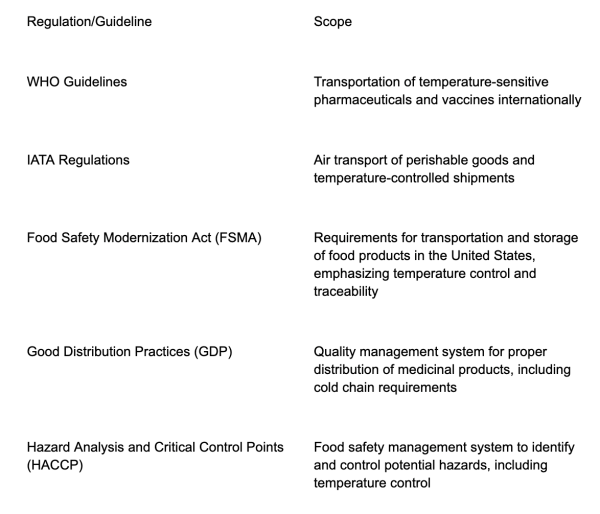
Compliance with these regulations not only safeguards consumer well-being but also minimizes legal and financial risks associated with non-compliance. Organizations must implement robust quality management systems, conduct regular audits, and maintain detailed documentation to demonstrate adherence to these guidelines.
Strategies for Risk Mitigation in Cold Chain Logistics
While advanced packaging solutions and technological integration fortify cold chain logistics, proactive risk management is equally crucial in mitigating potential threats to product quality. Common risks associated with temperature excursions include equipment malfunctions, human error, and unforeseen environmental factors.
Effective risk mitigation strategies include:
Optimization of Transportation and Storage
Optimizing transportation and storage processes is a critical component of maintaining cold chain integrity. Best practices in this domain revolve around strategic routing, scheduling, and efficient storage management.
Optimized Routing and Scheduling
Implementing sophisticated routing and scheduling algorithms can significantly minimize transit times and exposure to temperature fluctuations. These algorithms take into account factors such as traffic patterns, weather conditions, and delivery timelines, ensuring that temperature-sensitive products reach their destinations as quickly and efficiently as possible.
Efficient Storage Management
Proper storage techniques, such as strategic product placement within temperature-controlled facilities and implementing First-Expiry-First-Out (FEFO) inventory management practices, can minimize exposure to temperature variations and reduce the risk of spoilage.
Transportation Mode Selection
Choosing the most appropriate mode of transportation, whether air, sea, or land, can have a profound impact on maintaining cold chain integrity. Each mode presents unique challenges and considerations, and selecting the optimal choice requires careful evaluation of factors such as transit time, environmental conditions, and handling requirements.
Conclusion
Maintaining product quality in cold chain logistics requires precise execution and is an intricate endeavor. Advanced packaging solutions, technological monitoring, regulatory adherence, and proactive risk mitigation strategies are indispensable.
By implementing these best practices, organizations can confidently transport temperature-sensitive goods while minimizing losses and maximizing supply chain efficiency. Unwavering commitment to upholding quality and safety standards is paramount for success in cold chain logistics operations.
Frequently Asked Questions
1. What are the most cost-effective thermal packaging materials currently recommended for cold chain logistics?
While insulated containers and gel packs offer reliable and affordable options, phase change materials (PCMs) are emerging as highly efficient and cost-effective solutions for maintaining desired temperatures over extended periods.
2. How can technology be leveraged to minimize the risk of product spoilage in cold chain logistics?
IoT sensors, RFID technology, and predictive analytics enable real-time monitoring, temperature tracking, and proactive intervention, significantly reducing the risk of temperature excursions and consequent product spoilage.

3. What are the key factors to consider when selecting a logistics partner for managing a cold chain?
Factors to consider include certifications (e.g., GDP, HACCP), experience with similar temperature-sensitive products, technological capabilities (IoT, RFID integration), contingency planning, and adherence to relevant regulations.
Comments

Powered by RoundtableAn AI/DeFi-powered Enterprise Media Operating System. Learn more at Roundtable.io.© Roundtable 2026. By using this site you agree to the Terms of Use and Privacy Policy