


Dec 9, 2025 8:00 AM
Updated Jul 3, 2026 4:04 PM
The Problem of Pollutants in Aerosols and their Impact on the Respiratory System
Breathing is such an automatic function that we rarely pay attention to it. We assume that the air we breathe is simply... air. However, the reality is far more complex. Every day, our lungs process thousands of liters of gases saturated with an invisible suspension – a cocktail of solid particles, chemical compounds, and microorganisms. From urban smog, through household air fresheners, to deodorants – we are constantly exposed to aerosols. Understanding their nature and potential health impact is today one of the key challenges for public health.
Invisible Enemies - what are aerosols and particulate matter?
Contrary to common understanding, an aerosol is not just the contents of a pressurized can. In scientific terms, it is any suspension of fine solid or liquid particles in a gas. The most well-known and dangerous examples are suspended particulate matter PM2.5 and PM10, the main components of smog. Their threat stems from their microscopic size – PM2.5 particles are so small that they easily penetrate the natural defensive barriers of the respiratory system and reach deep into the pulmonary alveoli, and from there even into the bloodstream. Long-term exposure to high concentrations of suspended particulate matter is clearly linked to an increased risk of respiratory diseases, cardiovascular diseases, and cancer. The problem is that smog is just the tip of the iceberg.
Indoor Air - the paradox of safe space
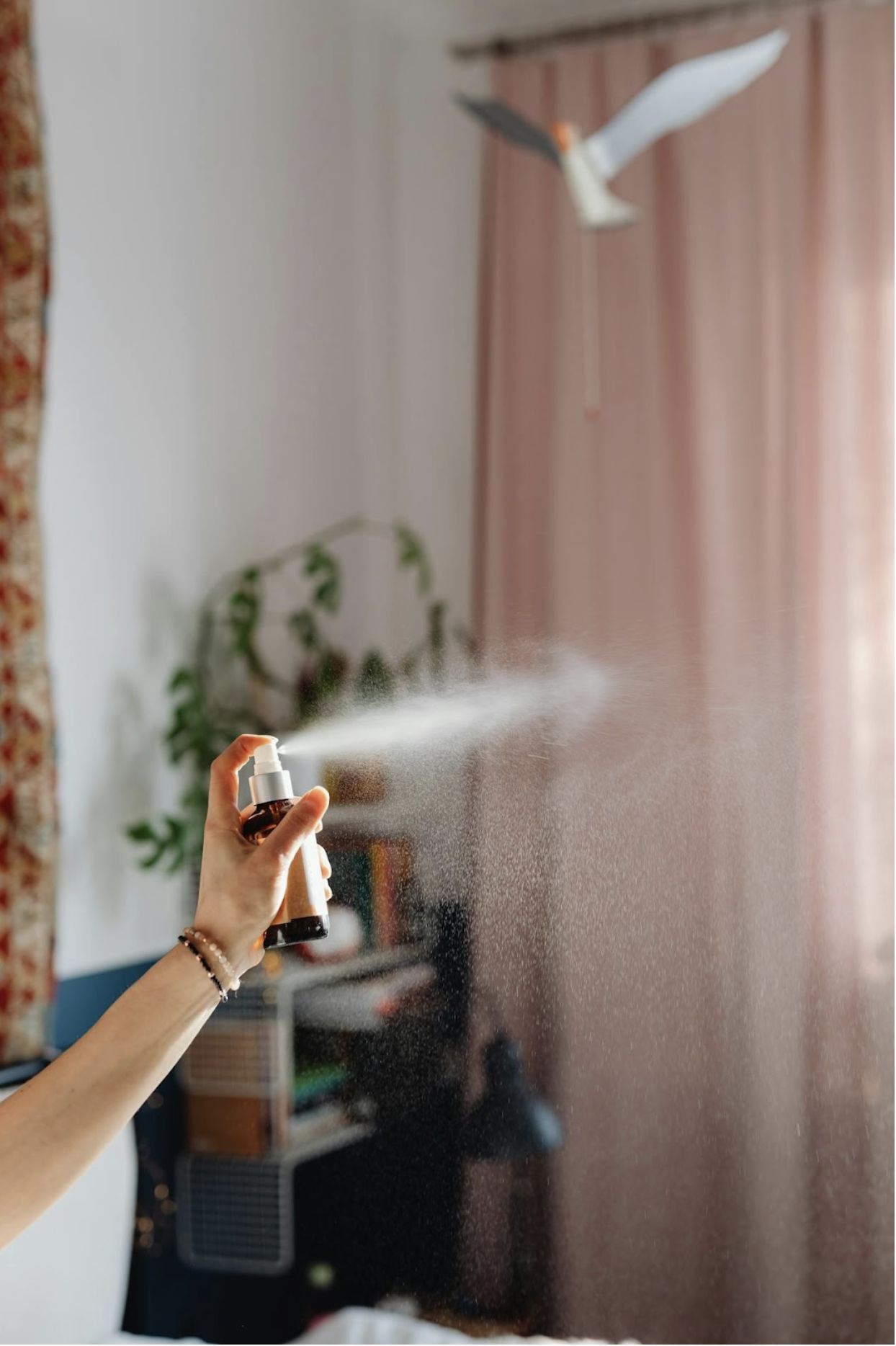
Many people assume that home is an oasis of clean air. Unfortunately, indoor air quality studies often show something quite the opposite. Modern apartments are saturated with volatile organic compounds (VOCs), emitted by paints, furniture, carpets and, importantly, household chemicals. Every use of spray air freshener, deodorant, or hair spray releases a cloud of chemical substances into the environment. Although their concentration is usually low, the problem is chronic, multi-hour exposure. Some of these compounds have proven irritating effects on the respiratory tract, others are classified as potentially carcinogenic. Paradoxically, in our pursuit of cleanliness and pleasant fragrance, we may be systematically worsening the quality of the environment in which we spend most of our lives. Choosing cleaner fragrance alternatives, such as Scentiment aroma oils, can be a thoughtful way to enjoy pleasant scents while reducing reliance on aerosol-based air fresheners.
Intentional Inhalation - when risk becomes a choice
A separate category consists of aerosols that are consciously and deliberately introduced directly into the respiratory system. This group includes not only medical products, such as inhaled medications, but also a wide range of recreational products. In the case of the latter, particular attention is paid to substances and their purity. In products such as e-liquids (for example: https://bigvapoteur.com/en/2414-liquids), the question of ingredient quality and potential contamination with heavy metals, which can be released from the heating element of the device during the heating process, becomes crucial.
Related stories
Scientific research very often focuses on analyzing the chemical composition of the aerosol and its long-term impact on lung tissue, and results frequently indicate the presence of compounds that were not in the original liquid.
Defense Against the Invisible - how to minimize exposure?
Complete avoidance of contact with aerosols in the modern world is impossible. However, exposure to the most harmful ones can be significantly reduced. Regular ventilation of rooms is key, especially after using household chemicals. Limiting the use of air fresheners and cosmetic aerosols in favor of natural alternatives also matters. "It's also important to remember that the absolute foundation is choosing products exclusively from verified and legal sources that guarantee control over the production process and composition" – emphasizes the bigvapoteur.com.

In cities with high smog levels, on alarm days, it's worth considering the use of filter masks and air purifiers at home. However, the most important tool remains awareness. Understanding that what is invisible to the eye is not necessarily neutral to health is the first and most important step toward protecting our respiratory system.
Comments

Powered by RoundtableAn AI/DeFi-powered Enterprise Media Operating System. Learn more at Roundtable.io.© Roundtable 2026. By using this site you agree to the Terms of Use and Privacy Policy