
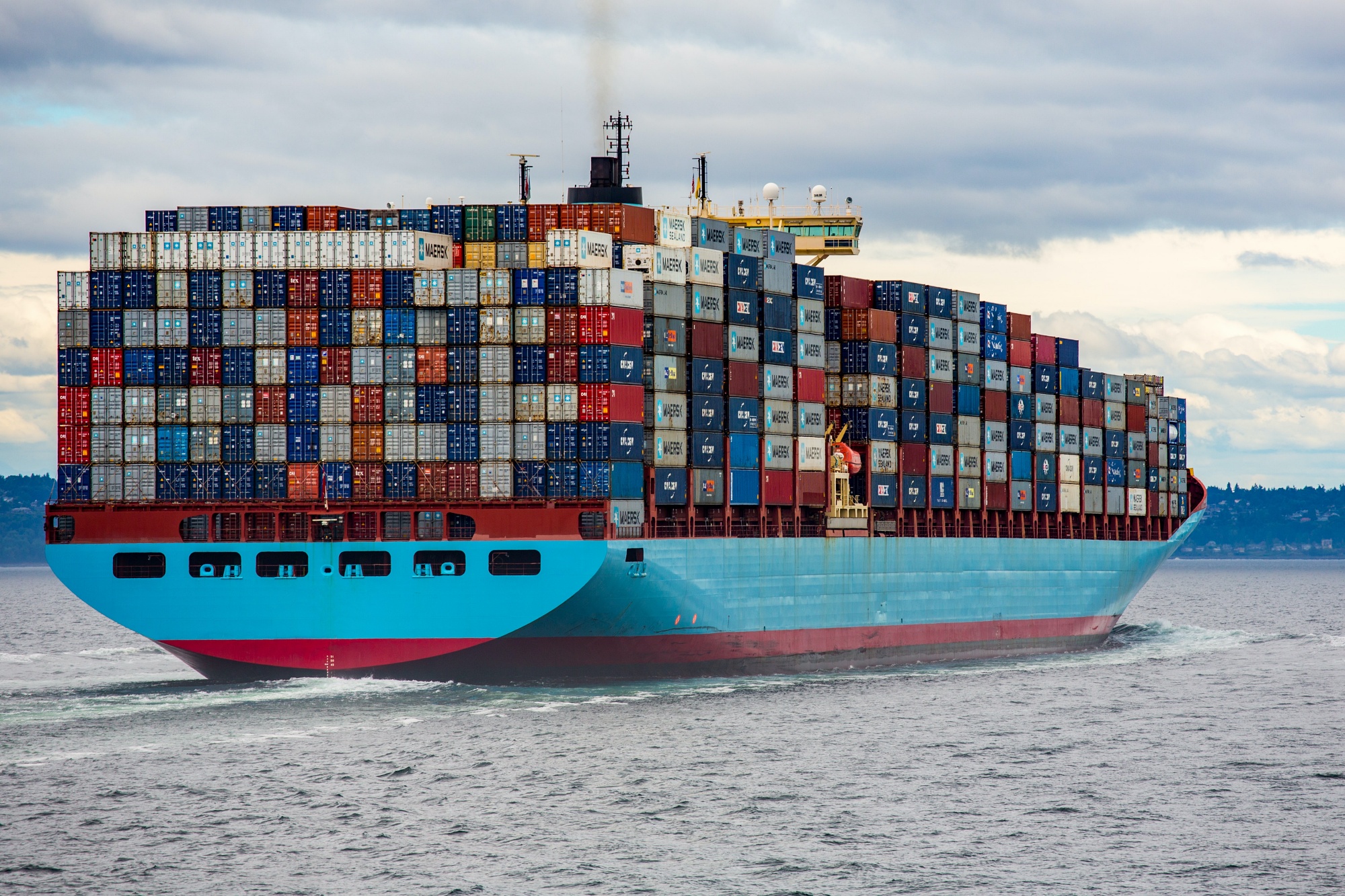
Photo by Ian Taylor on Unsplash


Mar 6, 2026 8:00 AM
Updated Mar 10, 2026 4:35 AM
If you’re comparing a few quick, painless fixes, it’s good to know how well containers hold up in actual situations so that you can make a confident decision.
Functionality, ease of setup, and ease of dismantling upon completion are essential requirements for temporary spaces. So it’s not surprising that the most cost-effective solution is now being used for construction, events, storage and remote buildings everywhere: shipping containers.
If you’re comparing a few quick, painless fixes, it’s good to know how well containers hold up in actual situations so that you can make a confident decision. Here are the main reasons they still get utilised for ephemeral, on-again, off-again needs.
1. Easy Transport and Relocation
Shipping containers are designed to be transported around the world without causing any structural issues.
With the ease with which they can be moved by a forklift, truck, or overhead crane, the relocation process is straightforward and can be completed in a shorter amount of time. Having these roving capabilities is ideal for situations in which projects or sites undergo changes.
Related stories
Containers, once delivered, can also be moved with ease. The flexibility is particularly good for temporary setups, when a layout grows over time.
2. Fast Setup With Minimal Preparation
Containers, unlike permanent buildings, need no major groundwork. A flat surface is typically all you need to set them in place and make use of. That shortens the timeline when getting up and running is important.
And because they come pre-assembled, there is the waiting game of construction schedules. You can begin using the space shortly after delivery.
3. Cost-Effective for Limited Timeframes
Short-term fixes have to be worth their while. Container rental price is a compromise between the longevity and economy of the containers. You pay only for what you need with no long-term commitment.
Shipping Containers Hobart providers enable businesses small and large to adjust space up or down with ease. That flexibility allows costs to match a project’s timeline.
4. Strong and Weather-Resistant Design
Ocean-passed containers are manufactured to withstand the harsh conditions that the marine environment can throw at them, and this means they are ideal for different areas. It can withstand wind, rain and other weather conditions. This dependability is crucial for temporary use where protection is important.
The longevity reduces the amount of maintenance necessary as well. You don’t need to keep checking or reinforcing the space during use.
5. Flexible Fit-Out Options
You can keep the shipping containers elemental or deck them out depending on how they’re used. They can be left unchanged for temporary storage of the data. In the office or workspace, insulation, lighting and ventilation can be installed soon.
This flexibility creates the possibility for a container to be used for multiple purposes. When one use winds down, it can be repurposed with a few changes.
6. Secure Short-Term Storage and Workspaces
Temporary installations can always be a bit sketchy when it comes to security. Lockable secure containers are solid and difficult to break without any tools. So they are a wise choice when you need equipment or goods on location.
In the short term, such security reduces risk. It also eliminates the need for additional protection structures.
7. Easy Removal With Minimal Site Impact
The containers can be evacuated and immediately taken off when the immediate requirement is resolved. Very little site damage needs repair, which is relevant for leased land or shared spaces.
That clean exit is a vast advantage compared with fixed builds. The site can often be promptly restored to its prior status, which makes containers the best fit for pop-up or transitional spaces.

A Temporary Solution That Still Feels Reliable
The shipping container works for now in temporary use, because they do not feel that way in performance. They can provide strength, flexibility and convenience without trapping you in long-term commitments. When short-term needs still require reliability, containers are a pragmatic compromise that is hard to ignore.
Comments

Powered by RoundtableAn AI/DeFi-powered Enterprise Media Operating System. Learn more at Roundtable.io.© Roundtable 2026. By using this site you agree to the Terms of Use and Privacy Policy