
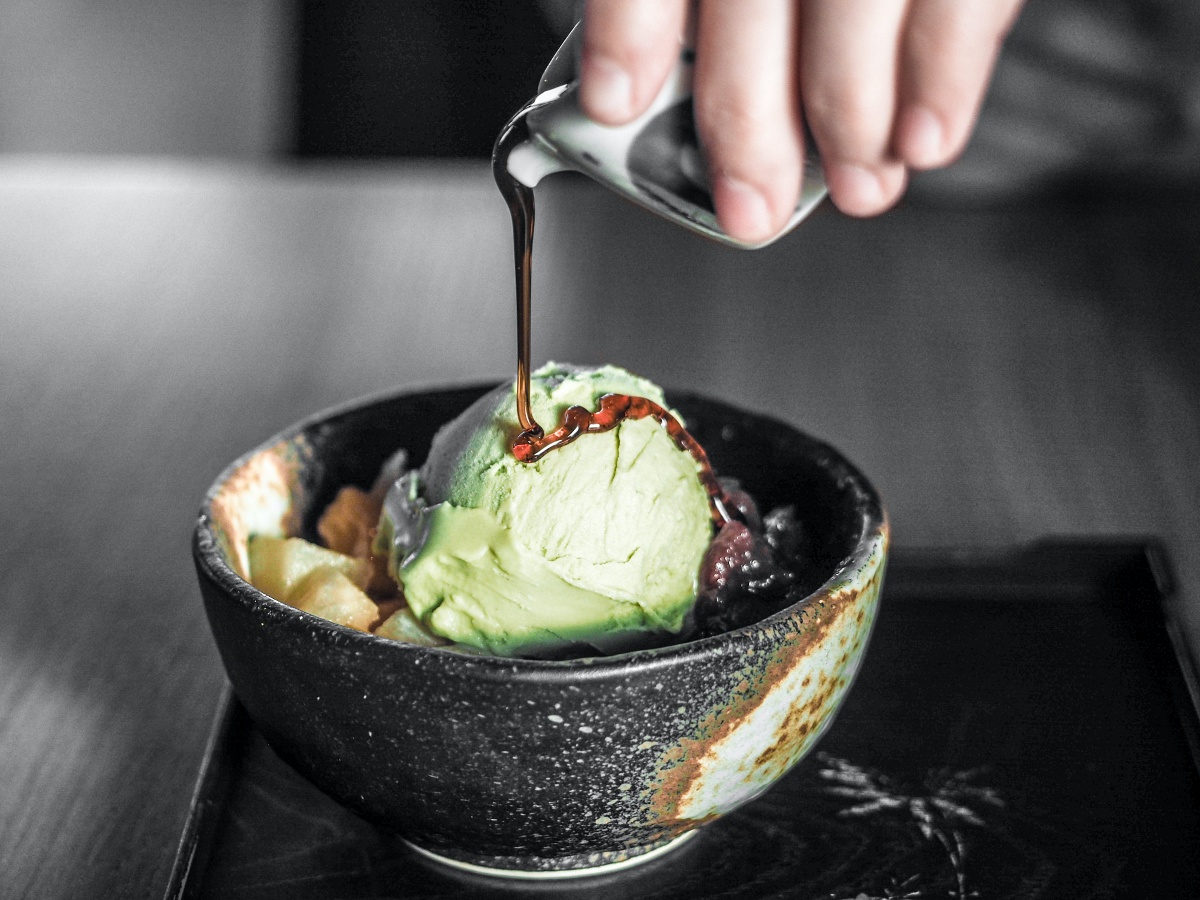
Photo by Jer Chung


Matcha
Dec 26, 2023 8:00 AM
Updated Dec 28, 2023 7:46 PM
Discover the nuances of Ceremonial vs. Culinary Grade Matcha. Uncover the unique flavor profiles, origins, and ideal uses of these two distinct grades of powdered green tea.
As a finely ground powder of specially grown and processed green tea leaves, matcha has transcended its traditional roots in Japanese tea ceremonies to become a globally cherished ingredient and beverage. Among the diverse array of matcha available in the market, two distinct grades stand out: ceremonial and culinary. Understanding the disparities between ceremonial and culinary grade matcha is essential for those seeking an authentic matcha experience.
In this exploration, we delve into the nuances of production, flavor profiles, and ideal uses that differentiate these two grades of matcha.
1. Cultivation and Harvesting:
Ceremonial-grade matcha is cultivated with meticulous attention to detail. The tea plants are shade-grown for a specific period, usually around 20 to 30 days before harvesting. As a result of this shading process, the chlorophyll content of the plant increases and amino acids are produced in greater quantities, particularly L-theanine. The leaves chosen for ceremonial grade matcha are typically the youngest, tenderest leaves from the top of the tea plant, known as the "first flush."
Conversely, culinary-grade matcha undergoes a less rigorous cultivation process. The tea plants may not be shaded as extensively and leaves from later harvests, often the "second flush" or beyond, may be used. In this process, yield is more important than subtleties of flavor and aroma. As a result, the leaves may have a slightly coarser texture and a more robust, less refined flavor compared to ceremonial-grade matcha.
Related stories
2. Processing and Grinding:
The processing of ceremonial-grade matcha involves steaming the leaves to halt fermentation, drying them, and stone-grinding them into an ultra-fine powder. This intricate and time-consuming process ensures that matcha retains its vibrant green color, smooth texture, and umami flavor. The grinding process is conducted slowly to prevent the heat generated from compromising the quality of the matcha.
While the general process is similar for culinary grade matcha, there are variations that contribute to its distinct characteristics. The leaves may be subjected to different steaming durations or drying methods, and the grinding process might be less meticulous, resulting in a coarser powder. The color may also be slightly duller compared to ceremonial grade matcha.
3. Flavor Profiles:
Ceremonial-grade matcha boasts a delicate, smooth, and well-balanced flavor profile. It is characterized by a sweet, umami-rich taste with minimal bitterness. The prolonged shading of the tea plants enhances the amino acid content, particularly L-theanine, contributing to the velvety texture and calming effect associated with high-quality matcha.
Culinary-grade matcha, on the other hand, tends to be more bitter and astringent. The flavor is robust and can be slightly coarse, making it suitable for blending with other ingredients in recipes. The diverse applications of culinary-grade matcha in cooking often require a more resilient flavor that can withstand the combination of various ingredients.
4. Color and Appearance:
The color of ceremonial grade matcha is vibrant and vivid, reflecting the meticulous care in its cultivation and processing. The powder is fine, with a texture that almost feels like talc. The visual appeal is an integral part of the traditional Japanese tea ceremony, where the vibrant green hue symbolizes purity.
Culinary-grade matcha may exhibit a slightly duller green color compared to its ceremonial counterpart. The coarser texture of the powder is often noticeable, and the focus is more on its functionality in recipes rather than its aesthetic qualities.
5. Ideal Uses:
Ceremonial-grade matcha is revered for its purity and refined flavor, making it the preferred choice for traditional tea ceremonies. Its subtle and nuanced taste is best experienced when prepared simply with hot water, allowing the full spectrum of flavors to unfold. Some enthusiasts also enjoy it in lattes or smoothies to appreciate its delicate notes.
Matcha that is designed for cooking and baking is considered culinary-grade matcha. Its robust flavor profile allows it to shine in recipes where the matcha is a supporting element rather than the main focus. From matcha-flavored desserts to savory dishes, culinary-grade matcha adds a distinctive green tea flavor to a wide range of culinary creations. Wan to know more about Matcha, visit www.leighleaf.com.

In essence, the difference between ceremonial and culinary-grade matcha lies in the meticulousness of cultivation, processing, and the resulting flavor profiles. Ceremonial-grade matcha offers a refined and delicate experience steeped in tradition, while culinary-grade matcha caters to a more versatile range of applications in the kitchen. Whether one seeks the meditative experience of a traditional tea ceremony or aims to incorporate the unique flavor of matcha into culinary creations, understanding the distinctions between these grades is crucial in choosing the right match for the occasion. As matcha continues to captivate the taste buds of people around the world, appreciating its nuances adds depth to the enjoyment of this ancient and revered tea.
Comments

Powered by RoundtableAn AI/DeFi-powered Enterprise Media Operating System. Learn more at Roundtable.io.© Roundtable 2026. By using this site you agree to the Terms of Use and Privacy Policy