
Kanpai Foodz


Freeze Dried Candy
Feb 18, 2024 8:00 AM
Updated Feb 20, 2024 4:51 PM
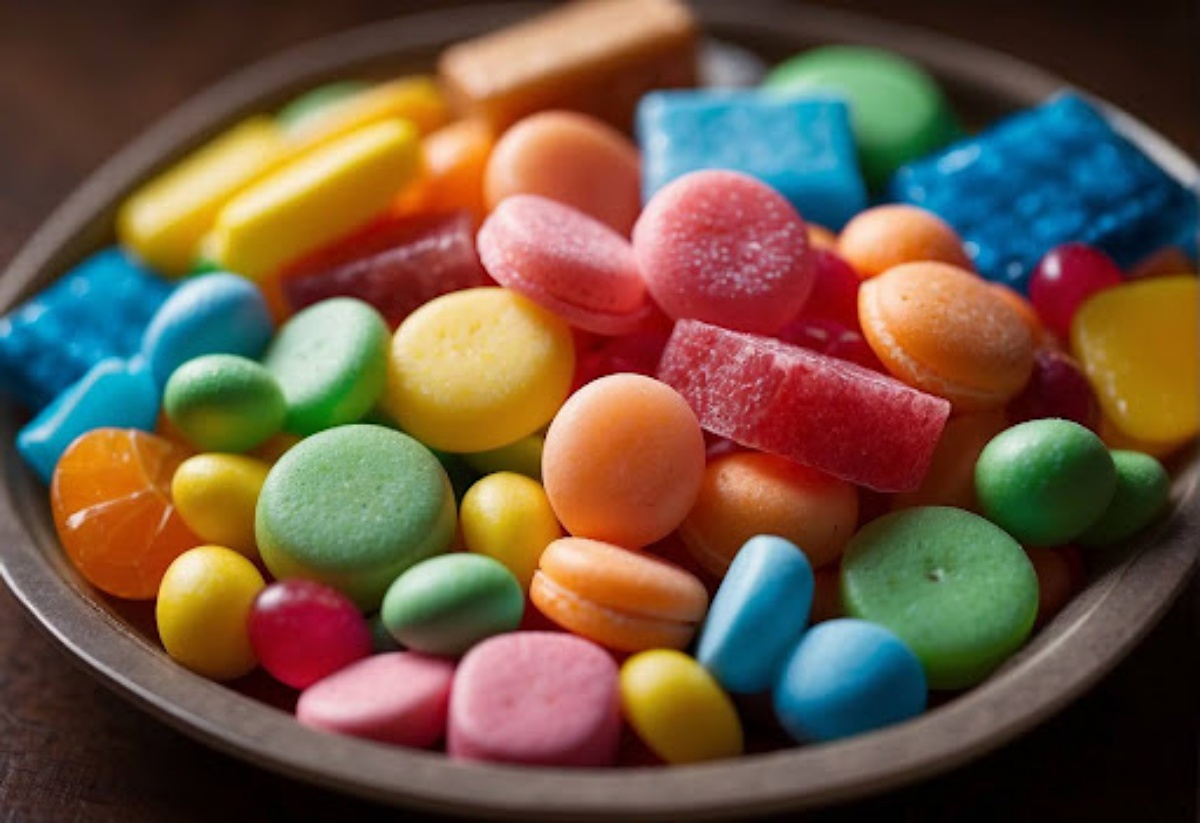
Freeze-dried candy retains the shapes and sizes of the original sweets but differs in texture. Candy enthusiasts may find that this dried form intensifies the flavors.
Freeze-drying is a preservation process used to extend the shelf life of food items, including candies, by removing moisture content while maintaining flavor and nutritional value. This technique involves first freezing the candy and then subjecting it to a high-pressure vacuum, which allows the ice to transition from solid to gas without passing through a liquid phase. The result is a lightweight, crunchy confection that retains much of its original taste and color. Viral brands including Kanpai Foods are quickly growing in popularity, this article will explain what the hype is all about.
Freeze-dried candy retains the shapes and sizes of the original sweets but differs in texture. Candy enthusiasts may find that this dried form intensifies the flavors. Popular among hikers, astronauts, and those looking for a novel snacking experience, freeze-dried candies offer a unique twist on traditional treats. They can include a variety of confectionery favorites, such as chewy candies, gummies, and marshmallows that, once freeze-dried, provide an unexpected and satisfying crunch.
Understanding Freeze Dried Candy
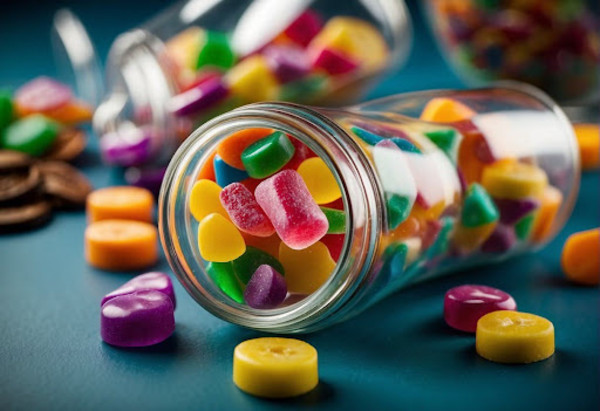
Freeze-dried candy is an innovative treat that maintains its inherent sweetness while offering a novel texture. Through the freeze-drying process, candies transform both in form and eating experience compared to traditional confections.
Definition and Overview
Freeze-dried candy is confectionery that undergoes a freeze-drying process to remove its moisture content. This process typically involves:
Related stories
- Freezing: The candy is rapidly frozen, solidifying all the water inside.
- Vacuum: The frozen treats are then placed in a vacuum chamber.
- Sublimation: Under low pressure, the solid ice sublimates directly to vapor, bypassing the liquid phase.
- Secondary Drying: Any remaining moisture is removed through a gradual warming process.
The result is a lightweight, crunchy, and intensely flavorful candy.
Comparing Traditional Candy to Freeze Dried Candy
Traditional candy is known for its chewy, soft, or hard textures and a moisture content that contributes to the overall taste experience. In contrast, freeze-dried candy from brands such as Kanpai Foods presents a distinct texture and flavor profile due to its lack of moisture. A comparison of the two types of candy can be found below:
Texture:
- Traditional Candy: Chewy or hard, with a smooth or sticky consistency.
- Freeze-Dried Candy: Crunchy and crumbly, with a melt-in-your-mouth sensation.
Taste:
- Traditional Candy: Familiar tastes, sustained by sugars dissolved in moisture.
- Freeze-Dried Candy: Enhanced sweetness and more concentrated flavor, as there is no water to dilute the taste.
The absence of moisture in freeze-dried candy also significantly extends its shelf life and alters its texture, creating a new type of sweet treat for consumers seeking a different indulgence.
The Science Behind Freeze Drying Candy
In the world of confectionery, freeze drying candy takes advantage of advanced scientific techniques to alter the texture and flavor of sweet treats. This process relies on precise controls of temperature and pressure to preserve candy while enhancing its characteristics.
Basic Principles of Freeze Drying
The fundamental purpose of a freeze dryer is to remove moisture from candy, transforming it from a solid state directly into a gaseous state without passing through a liquid phase. Initially, candy is pre-frozen, a critical initial step that solidifies water content and prepares it for sublimation. During the freeze-drying process:
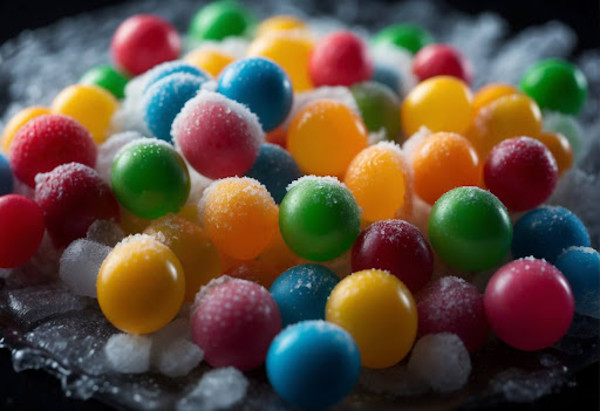
- Freezing: The candy is placed at temperatures between -40°F and -80°F, ensuring complete solidification of water content.
- A vacuum pump reduces the atmospheric pressure surrounding the candy to facilitate sublimation.
- Drying: Under vacuum, heat is applied to provide the energy required for sublimation.
Understanding Sublimation in Freeze Drying
Sublimation is the heart of the freeze-drying process. Here’s how it unfolds in candy manufacturing:
- When under vacuum, the ice in the pre-frozen candy begins to sublimate, meaning it transitions from a solid to a vapor.
- A consistent vacuum environment is maintained by the vacuum pump, which is critical for the success of this phase.
- Throughout sublimation, water vapor is continuously removed by the freeze dryer, ensuring it doesn't re-enter the candy.
- Post-sublimation, the candy is left dry, with an intensified taste and a unique, crunchy texture due to the absence of moisture.
Types of Candy for Freeze Drying
Freeze drying is a process that can transform various types of candies into a novel treat with a distinctive texture, intensified flavor, and extended shelf life.
Ideal Candies for Freeze Drying
Skittles: These fruit-flavored candies are a popular choice for freeze drying, as they become crunchy and maintain their vibrant flavors.
Gummies: Gummy candies, including gummy worms and peach rings, take well to freeze drying. The process gives them a crispy texture without diminishing the fruit essence they're known for.
Marshmallows: When freeze dried, marshmallows turn into a light and airy treat that melts in the mouth.
Saltwater Taffy: This chewy candy becomes pleasantly brittle and amplifies in taste after freeze drying.
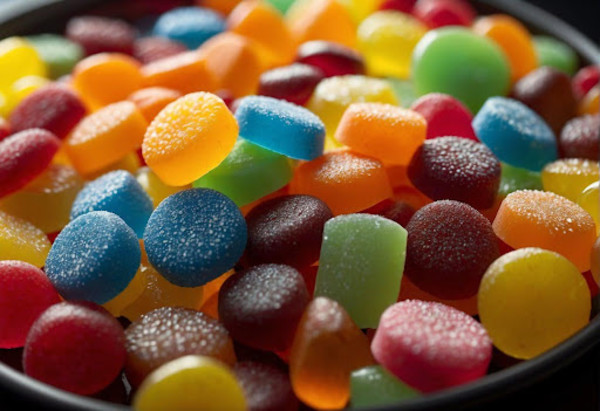
Candies chosen for this process typically have high moisture content and are free from high-fat ingredients.
Candies to Avoid in Freeze Drying
Chocolate: It's generally not recommended for freeze drying because it can become overly brittle and lose the creamy texture that is characteristic of chocolate.
Freeze drying candy requires careful selection to ensure the process results in an enjoyable treat. Candies with a lot of fat may not freeze dry well and can develop an unpleasing texture.
The Freeze Drying Process
Freeze drying candy transforms the sugary snacks into a shelf-stable form without sacrificing flavor. The process entails a cycle of freezing and drying that results in a unique, crunchy texture.
Preparation of Candy
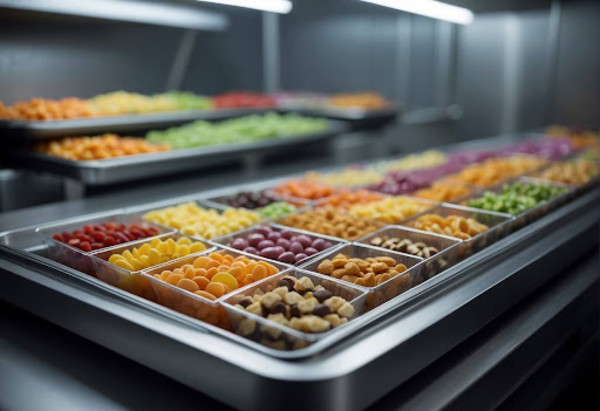
To begin, candy must be prepared on a baking tray lined with parchment paper. Care is taken not to overcrowd the tray to ensure even freeze drying. Candies like skittles, taffy, and gummies are often chosen for this process due to their favorable texture post freeze drying. They are pre-frozen to ensure a more efficient freeze drying process.
The Freeze Dryer Machine
The freeze drying process takes place in a freeze-drying machine. The pre-frozen candy is placed inside where temperatures plummet, often as low as -50 degrees Fahrenheit. This is the primary stage of the process, where water in the candy sublimates - turning from ice into vapor without passing through a liquid phase.
- Initial Freezing: Pre-frozen candy is supercooled further inside the machine.
- Primary Drying (Sublimation): Ice transitions directly to vapor under low-pressure conditions.
- Secondary Drying (Adsorption): The machine gradually warms the candies, removing any remaining moisture.
Post Process Handling
Once the freeze drying cycle is complete, the candy is handled with care to maintain its shelf life. It is promptly sealed in airtight containers or ziplock bags to prevent moisture from re-entering. When stored properly, freeze-dried candy can become shelf-stable for extended periods, retaining its texture and flavor. Proper post-processing ensures the candy remains crisp and enjoyable for consumption.
Benefits of Freeze Dried Candy
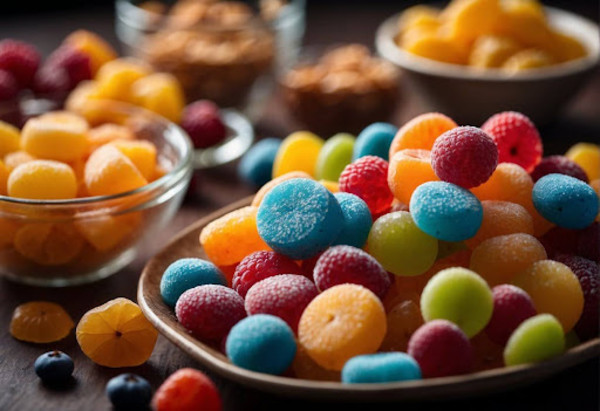
Freeze drying candy enhances its shelf life and can alter nutritional components, making it an intriguing option for candy lovers and those with dietary considerations.
Extended Shelf Life and Preservation
Freeze drying significantly reduces the moisture content in candy, making it shelf-stable for a prolonged period. This process dehydrates the food, which inhibits the growth of bacteria and other microorganisms that typically cause spoilage. Consequently, freeze dried candy can remain in good condition for years as opposed to weeks or months, ensuring the product retains its flavor and texture over time.
Nutritional Aspect: Sugar and Calorie Content
The freeze drying process does not substantially alter the sugar content or calorie count of candy. However, the removal of water content can concentrate these elements, potentially making them seem more pronounced per volume. Still, the serving sizes may be smaller due to the lighter weight and changed density. Consumers should note that while freeze dried candy offers a crunchier texture and different sensory experience, the fundamental nutritional profile remains similar to that of the original candy.
How to Make Freeze Dried Candy at Home
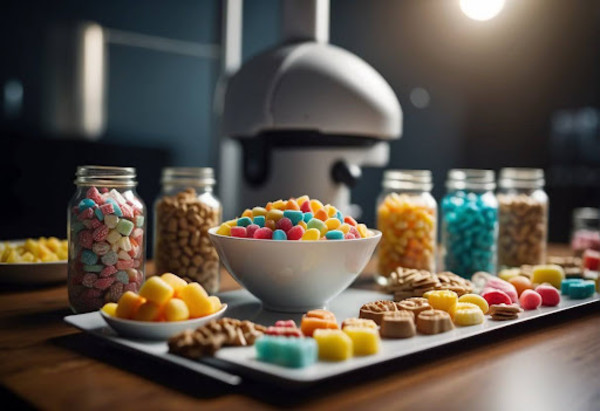
Making freeze dried candy at home involves two primary methods: utilizing a specialized machine or employing alternative DIY techniques that do not require expensive equipment. Below are detailed processes for both approaches.
DIY Methods Without a Machine
Items Needed:
- Candy (gummy candies, Starburst, Skittles, etc.)
- Baking sheet
- Parchment paper
- Insulated container
- Dry ice
Process:
- Preparation of Candy:
- Freeze with Dry Ice:
- Sublimation:
Note: This method does not replicate the exact freeze drying process but can be used to remove moisture from candies. The results may vary, and candies might not have the same preservation qualities as those processed by a machine.
Using a Home Freeze Dryer
Items Needed:
- Home freeze dryer
- Candy of choice
Process:
- Load the Freeze Dryer:
- Process in Freeze Dryer:
- Candy Retrieval:
Storage:
- Store the freeze-dried candies in an airtight container to maintain their texture and prolong shelf life.
Exploring the Unique Sensory Experience
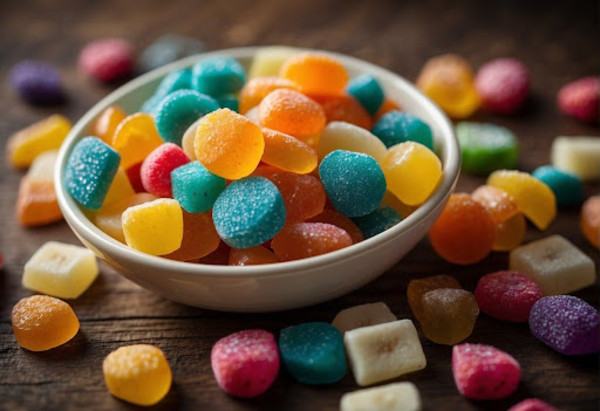
Freeze-dried candy offers consumers a novel and invigorating eating adventure that departs from traditional confections. The sensory experience of this innovative treat is defined largely by its unique texture and enhanced flavor profile.
Enhanced Texture and Flavor
The process of freeze-drying candy, such as Skittles, creates a unique texture that is unlike anything found in conventional sweets. This method results in a lightweight, airy crispness that contrasts sharply with the chewy or hard textures of regular candy. The flavor profile is also intensified; the removal of moisture concentrates the taste, leading to an explosion of flavor upon contact with the palate.
- Texture: Airy, crisp, melt-in-the-mouth
- Flavor: Concentrated, intense
Describing the Freeze Dried Candy Experience
When someone bites into a piece of freeze-dried candy, the immediate sensation is that of a surprising crunchiness that gives way to a melt-in-the-mouth feeling. Freeze-dried Skittles, for example, are known for this enhanced eating experience which offers a satisfying crunch followed by an explosion of taste as the candy dissolves, unveiling the full flavor profile that is both familiar and new. This transformation in texture and taste allows for a fresh and exciting sensory discovery.
- Initial Sensation: Crunchy
- Following Sensation: Melt-in-the-mouth with flavor expansion
Tips for Storing Freeze Dried Candy
Proper storage of freeze-dried candy is essential to maintain its quality and extend its shelf life. Following specific storage guidelines can help ensure that the candy remains shelf-stable and fresh for as long as possible.
Best Practices for Airtight Storage
When preserving the texture and flavor of freeze-dried candy, moisture is the enemy. To combat this, it's crucial to store the candy in airtight containers or resealable freezer bags. These containers help:
- Prevent moisture from seeping in, which can soften the candy.
- Protect the candy from absorbing freezer odors if stored in the freezer.
Steps for Airtight Storage:
- Ensure that the freeze-dried candy is completely cool and at room temperature before storing.
- Place the candy into the container, squeezing out excess air before sealing.

Optimal Conditions to Retain Quality
Freeze-dried candy thrives in conditions where temperature and humidity are controlled. The ideal environment includes:
- A cool, dry place away from direct sunlight and heat sources.
- Freezer storage for long-term keeping, which can dramatically extend the candy's shelf life.
Comments

Powered by RoundtableAn AI/DeFi-powered Enterprise Media Operating System. Learn more at Roundtable.io.© Roundtable 2026. By using this site you agree to the Terms of Use and Privacy Policy