
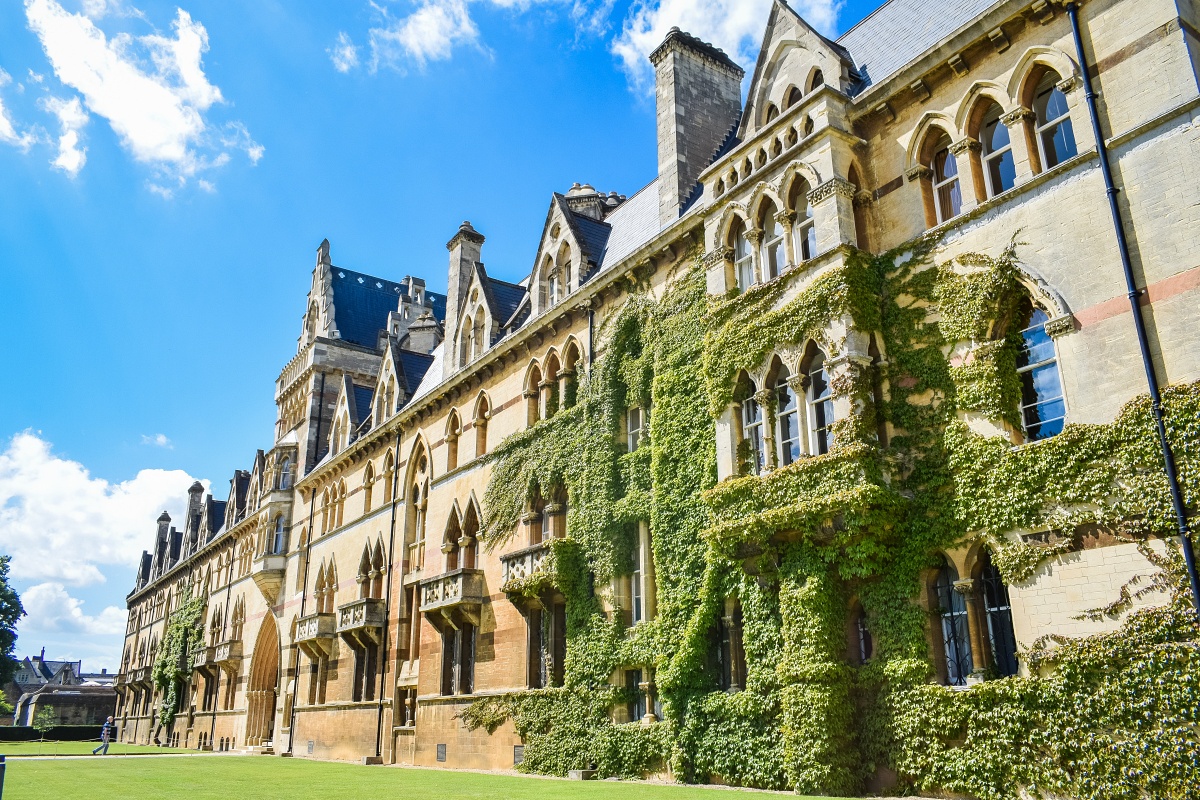
Photo by Darya Tryfanava on Unsplash


Jul 4, 2023 7:00 AM
Updated Jul 6, 2023 3:21 PM
Boarding schools in UK. What should parents look for when choosing a school?
What Are Boarding Schools in the UK
Boarding schools in the United Kingdom have a long-standing tradition of providing comprehensive education and a nurturing environment for students. With their unique approach to learning, these institutions offer not only academic excellence but also personal development and character building. In this article, we will explore what boarding schools in the UK are, their characteristics, benefits, and the reasons why they continue to be highly regarded educational institutions.
Definition and Characteristics
Boarding schools are educational institutions where students live on campus, residing in dormitories or houses supervised by teachers and staff members. These schools offer full-time education and cater to students ranging from primary (elementary) to secondary (high school) levels. The distinctive feature of boarding schools is that they provide an all-encompassing environment, integrating academic, extracurricular, and social aspects of a student's life.
Structure and Organization
Boarding schools in the UK typically follow a structured routine that combines academics, sports, arts, and other activities. The curriculum is comprehensive, focusing on core subjects such as English, mathematics, sciences, and humanities. In addition to the core curriculum, boarding schools often provide specialized programs, including languages, music, drama, and sports. The day-to-day schedule includes classes, study periods, supervised homework, recreational activities, and time for personal development.
Boarding Experience
Living on campus provides students with a unique opportunity to develop independence, responsibility, and self-discipline. They learn to manage their time effectively and balance academic commitments with extracurricular pursuits. The boarding environment fosters a sense of community and encourages camaraderie among students from diverse backgrounds. Friendships formed in boarding schools often last a lifetime and contribute to a rich cultural exchange.
Related stories
Support and Guidance
Boarding schools prioritize the well-being of their students and provide a supportive and nurturing environment. Housemasters or housemistresses, along with other staff members, oversee the students' welfare, ensuring their physical and emotional needs are met. Students have access to academic support, counseling services, and mentorship opportunities, enabling them to thrive academically and personally.
Preparation for Higher Education
Boarding schools in the UK have a strong track record of preparing students for higher education. The rigorous academic programs, coupled with the emphasis on critical thinking, independent learning, and intellectual curiosity, equip students with the skills necessary for success at university and beyond. The holistic approach to education in boarding schools encourages students to explore their passions and talents, fostering personal growth and shaping well-rounded individuals.
Parental Involvement
Although students live on campus, boarding schools actively involve parents in their child's education. Regular communication channels, such as parent-teacher meetings, newsletters, and online platforms, keep parents informed about their child's progress, achievements, and overall well-being. This collaboration between parents and the school ensures a strong support system for students and promotes a sense of unity. More information here
How to Choose the optimal Boarding School
Selecting the right boarding school in the United Kingdom is a crucial decision that can significantly impact a student's educational journey. With a wide range of options available, it's important for parents and students to carefully consider various factors to ensure they find the best fit. In this article, we will discuss essential considerations and provide a helpful guide on how to choose the right boarding school in the UK.
Determine Your Priorities
Start by identifying your priorities and expectations for a boarding school. Consider factors such as academic focus, extracurricular activities, location, school size, religious affiliation, and available facilities. Determine what matters most to you and your child's educational and personal development goals.
Research and Gather Information
Thoroughly research potential boarding schools. Visit their websites, read prospectuses, and gather information on their curriculum, academic achievements, faculty, and extracurricular offerings. Take note of any unique features or programs that align with your child's interests and aspirations.
Seek Recommendations and References
Speak with friends, family members, or educational consultants who have experience with boarding schools in the UK. Their insights and recommendations can provide valuable guidance during the selection process. Additionally, consider reaching out to current or former students of the schools you are considering to gain firsthand perspectives.
Visit the Schools
Arrange visits to the shortlisted schools to get a feel for their campus environment, facilities, and overall atmosphere. Take advantage of open days or personal tours offered by the schools. Interact with faculty, staff, and students to gain a deeper understanding of the school's culture, ethos, and support systems.
Consider Academic Excellence
Evaluate the academic credentials of the boarding schools you are considering. Review their examination results, university placement records, and teaching methodologies. Look for schools that offer a well-rounded curriculum, a diverse range of subjects, and a reputation for academic excellence in areas of interest to your child.
Assess Extracurricular Opportunities
Consider the extracurricular activities available at each school. Look for opportunities in sports, arts, music, drama, clubs, and societies that align with your child's passions and interests. A school that provides a balanced mix of academic and extracurricular activities promotes holistic development.
Evaluate Pastoral Care and Support
The well-being of your child is paramount. Evaluate the pastoral care and support systems offered by the boarding schools on your list. Look for schools that prioritize student welfare, provide comprehensive counseling services, and have a strong sense of community. Consider the availability of healthcare facilities and the expertise of the support staff.
Assess Boarding Facilities
Examine the boarding facilities and accommodation options. Consider factors such as room sizes, facilities for study and recreation, supervision ratios, and the overall living environment. The boarding houses should provide a safe, comfortable, and inclusive space for students to thrive.
Consider Financial Factors
Assess the financial aspects of each boarding school, including tuition fees, additional costs, and available scholarships or financial aid options. Ensure that the chosen school's financial requirements align with your budget and any potential assistance opportunities.
Involve Your Child
Finally, involve your child in the decision-making process. Discuss their preferences, concerns, and aspirations. Consider their academic and personal strengths, learning style, and social preferences to ensure the chosen boarding school will provide an environment where they can thrive and be happy.

Boarding schools in the UK offer a unique educational experience, combining academic rigor with personal development, character building, and a supportive environment. These institutions foster independence, critical thinking, and a sense of community among students. With a strong focus on holistic education and preparation for higher education, boarding schools continue to provide a solid foundation for students' future success. The long-standing tradition of excellence and the benefits associated with attending boarding schools make them an attractive choice for families seeking a well-rounded education for their children.
Comments

Powered by RoundtableAn AI/DeFi-powered Enterprise Media Operating System. Learn more at Roundtable.io.© Roundtable 2026. By using this site you agree to the Terms of Use and Privacy Policy