


Mar 26, 2026 7:00 AM
Updated Apr 2, 2026 2:07 AM
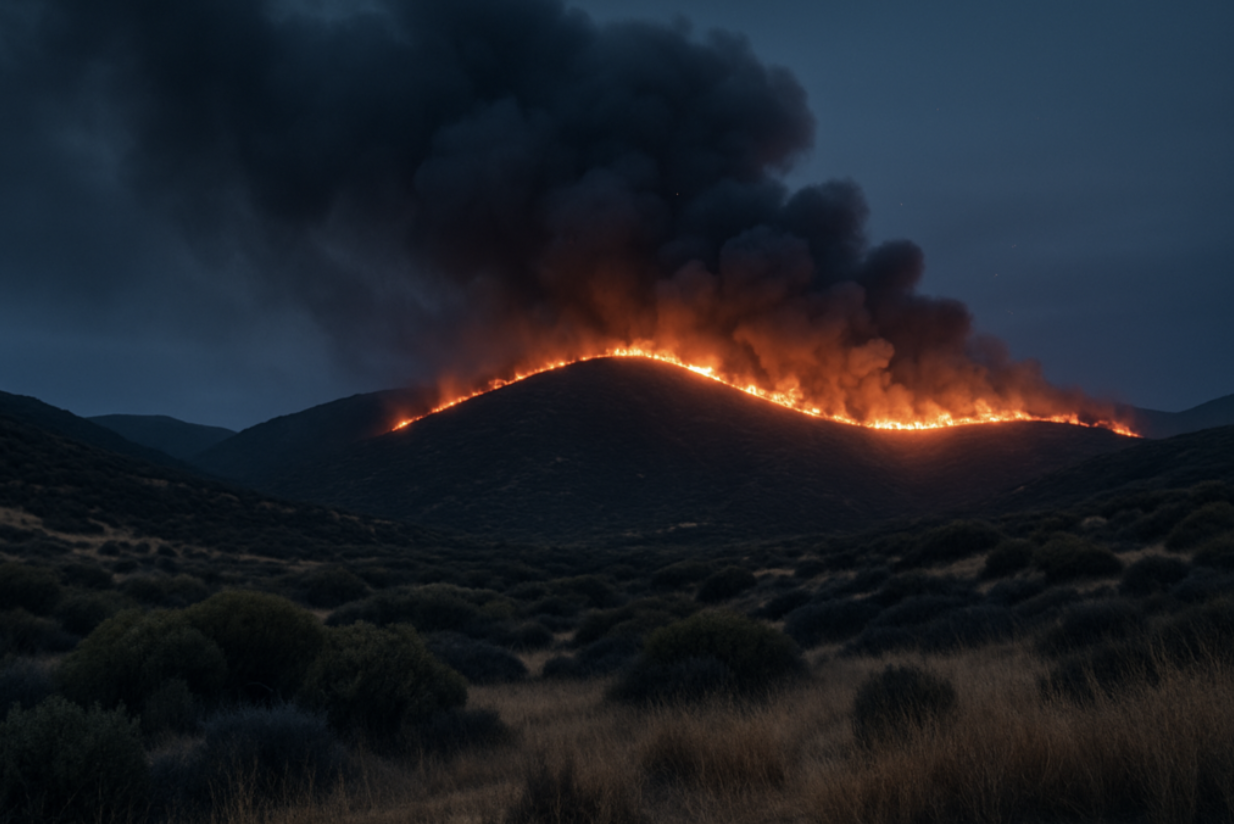
The collapse of California's traditional fire season is not a projection. It is a documented reality already reshaping daily life for millions of residents.
California families stay safe from year-round wildfire smoke by upgrading indoor HEPA filtration, securing fitted respiratory protection for all ages, monitoring hyper-local AQI data, sealing household air leaks, and preparing emergency evacuation kits before seasonal fire risks peak.
As traditional fire seasons expand into continuous threats, these proactive measures reduce exposure to hazardous particulate matter. Implementing this infrastructure ensures reliable health defense when unpredictable wind events drive severe air quality alerts across the state.
1. Monitor the Year-Round Fire Season
The collapse of California's traditional fire season is not a projection. It is a documented reality already reshaping daily life for millions of residents. Historically, fire risks were confined to a predictable window from late summer through autumn. Today, the conditions that fuel severe fires operate independently of the calendar. CAL FIRE statistics indicate a clear inflection point beginning around 2017. That year, the Thomas Fire burned actively into December and January, signaling a breakdown in established seasonal patterns.
Prolonged drought conditions have left vegetation chronically dry, while rising average temperatures accelerate fuel desiccation. In 2020, a record-high 4.2 million acres burned, and several large wildfires burned at once, leading to unprecedented air quality impacts.
Related stories
Data from NOAA and the California Air Resources Board confirm that fire weather days have increased significantly across Southern California over the past two decades. Particulate matter 2.5 micrometers or smaller bypasses the body's natural defense mechanisms, penetrating deep into lung tissue.
In 2020, smoke plumes covered every county for at least 46 days; by contrast, from 2010 to 2014, only 11 counties had at least 46 days on average each year. In 2020, wildfire smoke in California, Oregon, and Washington reached the eastern United States.
2. Secure Proper Respiratory Protection
A decade ago, the average California household maintained minimal respiratory protection equipment. Today, consumer behavior indicates a permanent shift in how residents approach air quality defense. Search trend data reveals dramatic spikes in demand for N95 respirators and more robust filtration systems during major smoke events. This reflects a populace actively seeking real-time health protection.
The consumer respirator market has expanded rapidly as civilians recognize the need for industrial-grade defense against particulate matter. This surge in demand has fundamentally changed product availability, introducing a broad spectrum of protective equipment to the general public.
Disposable N95 respirators serve as the baseline option, filtering 95 percent of airborne particulates when properly fitted. While adequate for short-duration exposure, their effectiveness relies heavily on maintaining a perfect seal around the nose and jaw. For more severe or sustained smoke events, households are turning to half-face respirators equipped with P100 cartridges.
At the highest level of civilian readiness, full-face respirators provide simultaneous eye and respiratory defense. When looking for advanced options, encountering a MIRA Safety threat-protection gas mask for sale demonstrates how civilians now access rigorous protection standards historically utilized by emergency response agencies. These comprehensive systems prove particularly valuable for households managing prolonged smoke events or medically vulnerable members.
3. Navigate Safety And Access
The consumer market for respiratory protection operates on a principle that inherently favors early preparation and disposable income.
When AQI levels spike above 200, retail shelves empty rapidly, and online prices surge. This dynamic creates a two-tiered safety system that closely mirrors existing economic and geographic inequalities.
In affluent neighborhoods, households frequently maintain stockpiles of fitted respirators, utilize correctly sized HEPA air purifiers, and inhabit newer construction with superior air sealing.
Conversely, communities identified by the CalEnviroScreen tool as bearing the highest cumulative environmental burdens face compounding vulnerabilities.
A study from the Harvard T.H. Chan School of Public Health documented that low-income California zip codes experience PM2.5 concentrations approximately 30 percent higher during wildfire events than more affluent areas.
These disparities are not coincidental. They reflect older housing stock, proximity to fire corridors, and urban heat island effects that trap particulate matter.
Several populations face outsized risks, including elderly residents on fixed incomes and non-English-speaking households. Treating respiratory protection strictly as a consumer product ensures that those most exposed to hazardous air are often the least equipped to filter it.
4. Mitigate Public Health Costs
The health consequences of unequal access to respiratory protection are quantifiable and severe. During the 2020 wildfire smoke events, researchers documented a massive increase in emergency room visits for asthma across the Los Angeles Basin.
These patients overwhelmingly originated from communities bearing high environmental burdens.
Stanford University research indicates that wildfire smoke now contributes to a massive percentage of all PM2.5 exposure in the Western United States. This exposure is linked to thousands of premature deaths annually.
This mortality risk is largely driven by chronic, repeated exposure to elevated particulate concentrations rather than single acute events. Properly sealed indoor environments and accessible protective equipment could meaningfully mitigate these outcomes.
The developmental impact on minors is particularly alarming. Repeated smoke events measurably impair lung development and function in children. Cumulative exposure accelerates cardiovascular aging, exacerbates chronic inflammatory conditions, and intensifies pre-existing disparities in respiratory diseases.
5. Build A Proactive Family Strategy
While systemic policy reform remains essential, families require practical strategies that function within the current reality.
The core principle of smoke preparedness is proactive acquisition. Waiting until an active fire event guarantees a limited supply and inflated costs.
- Securing fitted respiratory protection requires every household member to have appropriately sized equipment to prevent developmental harm.
- Upgrading indoor HEPA filtration provides essential protection during shelter-in-place orders.
- Monitoring hyper-local AQI data using portable monitors allows families to make precise decisions when regional averages fail to reflect neighborhood conditions.
- Sealing household air leaks by inspecting weatherstripping around doors and windows significantly reduces particulate infiltration.
- Preparing an emergency evacuation kit ensures readiness for rapid departure without compromising respiratory safety.
For households operating with limited resources, interim measures remain highly valuable. Residents should identify the nearest operational clean air center before an emergency strikes.
Constructing a Corsi-Rosenthal box, a filtration unit built from a box fan and MERV-13 filters, provides a scientifically validated alternative. This cost-effective hack offers measurable PM2.5 reduction during severe smoke events.
The Path Forward

Ultimately, individual preparedness and collective advocacy are intertwined. Protecting a household today demonstrates the necessity of robust filtration and respiratory defense. Advocating for broader infrastructure ensures these life-saving adaptations become accessible to all communities facing the realities of a year-round fire climate.Author Profile: MIRA Safety is a leading manufacturer of professional-grade gas masks and personal protective equipment for military, first responders, and civilians worldwide.
Comments

Powered by RoundtableAn AI/DeFi-powered Enterprise Media Operating System. Learn more at Roundtable.io.© Roundtable 2026. By using this site you agree to the Terms of Use and Privacy Policy