
Image by paulo jose coelho junior juninho on Pixabay


Apr 20, 2025 7:00 AM
Updated Apr 24, 2025 4:03 AM
Unlike other breeds of cattle, Wagyu possesses a unique genetic predisposition to develop marbling in more intense and complex patterns.
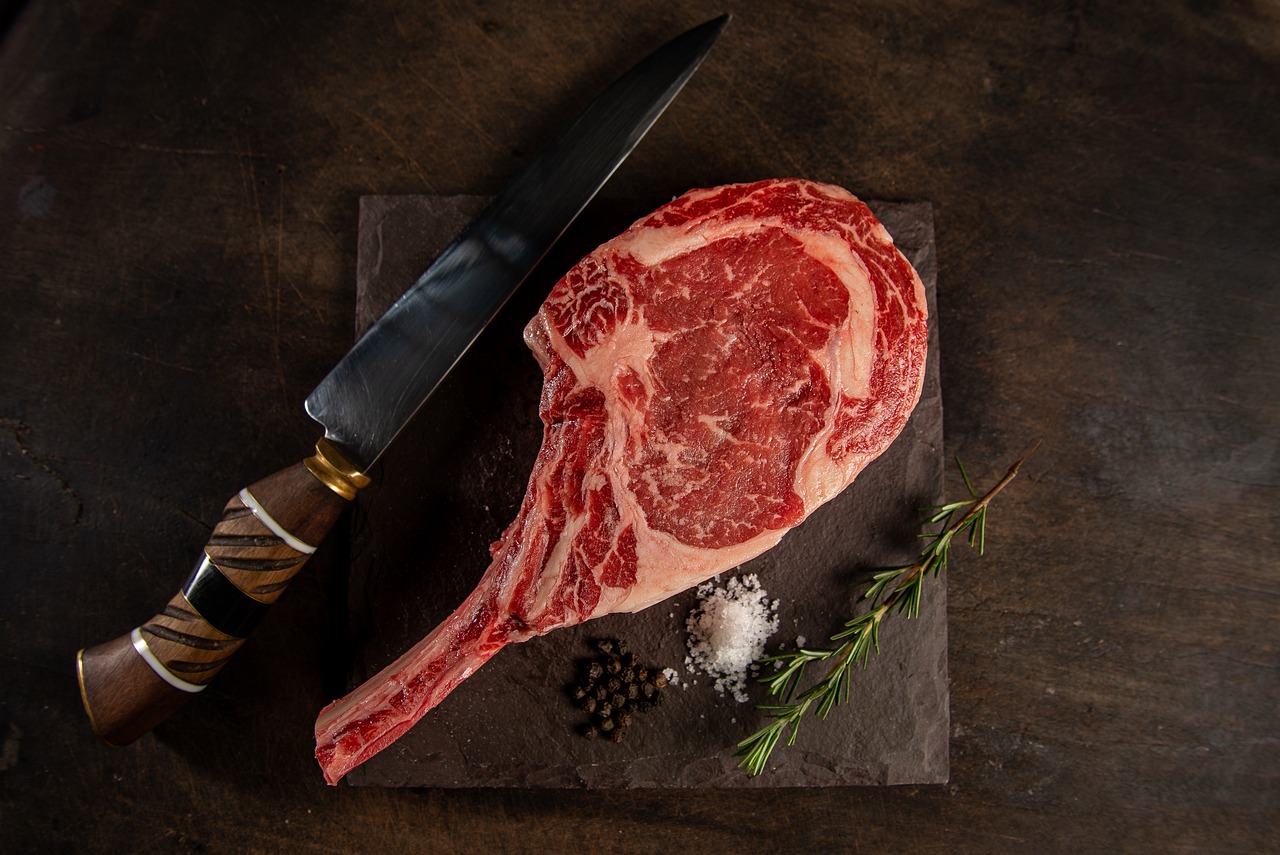
Among the most celebrated traits of Wagyu beef is its intricate marbling — the delicate streaks of intramuscular fat that run through each cut like fine brushstrokes. This marbling is not just a visual delight; it is a central indicator of the beef’s overall quality. In the world of premium beef, no factor is more scrutinized, studied, and prized than marbling. Chefs, breeders, and discerning consumers all regard it as a hallmark of superior flavor, tenderness, and juiciness.
Unlike other breeds of cattle, Wagyu possesses a unique genetic predisposition to develop marbling in more intense and complex patterns. This quality is so prized that entire grading systems, both in Japan and internationally, have evolved to classify and rank beef primarily based on the amount and distribution of this intramuscular fat. The standards are rigorous, with the highest-rated Wagyu displaying a snowflake-like pattern of marbling that evenly permeates the meat.
To the trained eye, Wagyu marbling signals more than just beauty; it signifies an eating experience that is rich, buttery, and luxurious. This emphasis on visual and textural quality creates a market where beef is judged as much on its aesthetics as its taste. Understanding how this marbling forms, and how it translates to quality, is key to appreciating why Wagyu commands such high regard among gourmets and meat connoisseurs alike.
Science Behind the Marbling Phenomenon
The distinctive marbling of Wagyu is the result of both genetic lineage and refined breeding practices. Unlike conventional cattle, Wagyu have a greater ability to produce fat cells within their muscle fibers. This biological tendency is enhanced through selective breeding techniques that prioritize marbling over mass or speed of growth. Over generations, breeders have cultivated cattle that consistently yield beef with fine, web-like fat patterns.
Related stories
Wagyu cattle are also raised in a highly controlled environment to maximize their genetic potential for marbling. Their diet, often consisting of a mix of rice straw, corn, and barley, is meticulously planned to promote gradual and even fat development. Stress levels are minimized throughout their lives, as cortisol can interfere with the formation of high-quality marbling. These practices are labor-intensive and expensive, but the results speak for themselves: meat that melts in the mouth and carries layers of flavor rarely found in other beef.
This combination of biology and care sets Wagyu apart and provides insights into why marbling is such a defining feature. It is not merely a product of chance or feed, but a deliberate outcome of selective breeding and animal husbandry rooted in centuries of tradition. The effort required to achieve such results is immense, but it ensures that the final product lives up to its luxurious reputation.
Grading the Quality: How Marbling is Measured
Wagyu beef is evaluated through detailed grading systems, which place heavy emphasis on the degree and quality of marbling present. In Japan, the Japan Meat Grading Association (JMGA) uses a combination of yield grade and meat quality grade, the latter of which includes factors such as marbling, color, texture, and fat quality. The marbling component alone is assessed on a scale from 1 to 12, with 12 representing the most intricate and abundant marbling.
These numerical grades help standardize what is inherently a subjective evaluation, allowing consumers and chefs to understand the quality of the beef before purchasing or serving it. A5 Wagyu, the highest possible grade, represents meat that has the most favorable combination of yield and quality, and it almost always corresponds with exceptional marbling scores. These distinctions are not merely for show; they offer tangible indicators of how the meat will perform in terms of tenderness, flavor intensity, and mouthfeel.
For consumers unfamiliar with these standards, understanding marbling scores can be a useful guide when navigating high-end beef options. Learning how to interpret grading criteria, including the distribution and quality of intramuscular fat, allows buyers to make more informed choices. These insights are essential in a market where appearance, texture, and eating experience are paramount.
Flavor, Texture, and the Eating Experience
The real value of marbling lies in its ability to elevate the flavor and texture of beef to extraordinary levels. Intramuscular fat contributes to the signature umami-rich flavor of Wagyu, making each bite savory and satisfying. As the fat melts during cooking, it bastes the meat from within, infusing it with a depth of flavor that lingers on the palate and enhances the overall taste.
Beyond flavor, marbling also directly influences texture. The distribution of fat within the muscle fibers softens the meat, creating a tenderness that feels almost ethereal. When properly cooked, Wagyu beef requires minimal chewing, as the fat helps dissolve the muscle fibers into a buttery consistency. This is why high-marbled Wagyu is often served in small portions — its richness is intense and deeply indulgent.
The interplay between fat and meat also shapes how Wagyu is best prepared. While leaner cuts may benefit from extended cooking to break down connective tissues, Wagyu with heavy marbling requires gentle handling. It is often served medium-rare or even rare, allowing the fat to melt just enough to coat the mouth without overwhelming the senses. This cooking approach maximizes the unique texture and flavor profile that marbling provides.
Cultural Significance and Culinary Prestige
In Japan, marbling is not simply a matter of taste but a symbol of craftsmanship and regional pride. Various regions, such as Kobe, Miyazaki, and Omi, have built entire culinary identities around their specific breeds of Wagyu. Each area boasts unique marbling characteristics, often the result of centuries of lineage preservation and local feeding techniques. To the Japanese consumer, marbling represents a deep connection between food, place, and tradition.
The reverence for marbling has also made Wagyu a cultural export of high prestige. Chefs around the world incorporate Wagyu into their menus not just for its taste, but for the aura of exclusivity and refinement it brings. The sheer visual appeal of a well-marbled slice of beef has become a marketing tool in itself, gracing restaurant menus and social media feeds as a status symbol. In many fine-dining contexts, Wagyu is positioned as the pinnacle of beef consumption.
This global fascination with Wagyu marbling speaks to broader trends in food culture, where craftsmanship, provenance, and presentation matter as much as flavor. The value placed on marbling highlights a return to appreciation for artisanal food production and an acknowledgment of the complex work behind each high-quality cut. In this sense, marbling serves as both a technical measure and a cultural icon.
Market Implications and Consumer Trends
As demand for Wagyu beef continues to rise, so too does the importance of understanding marbling from a consumer perspective. Buyers are becoming more sophisticated, seeking not just the Wagyu label, but specific grades, regions, and marbling scores. Transparency around these factors is increasingly expected, especially as consumers grow more educated about what defines premium quality in meat products.
The marbling content has also influenced pricing strategies and availability in markets outside Japan. American, Australian, and hybrid Wagyu producers have adopted marbling-focused grading systems to appeal to a global audience. In many cases, crossbred Wagyu still achieves high levels of marbling, although purists may argue that it does not match the delicacy of full-blood Japanese stock. Regardless, marbling remains the primary selling point and continues to dominate branding and promotional efforts.
Moreover, marbling has begun to shape broader dietary and ethical conversations. While some celebrate it as a triumph of culinary science, others question the environmental and ethical trade-offs of raising high-marbled beef. These discussions further underscore the centrality of marbling not just in flavor, but in how we view food sustainability, ethics, and luxury in the modern world.
Challenges in Standardization and Misconceptions
Despite the prestige associated with Wagyu marbling, there are persistent challenges in standardizing and communicating quality across international markets. Many regions outside of Japan use different terminology and scoring systems, leading to confusion among consumers. For instance, the term “Wagyu” is sometimes used loosely in Western markets, even when the beef lacks the intensive marbling and lineage required in Japan.
This dilution of meaning can lead to consumer disappointment or skepticism, especially when pricing does not align with the product’s quality. Educating consumers about what true marbling entails — and how to recognize it — is essential in preserving the integrity of the Wagyu label. Producers and retailers must work together to promote clarity and authenticity, ensuring that expectations are met and that the market remains transparent.
Another common misconception involves equating more fat with better quality. While high marbling scores generally correlate with tenderness and flavor, balance is crucial. Excessive marbling without proper muscle structure can result in a greasy, overpowering taste. True quality lies in achieving the ideal proportion, distribution, and integration of fat within the muscle, creating a harmonious eating experience that never feels excessive.
The Future of Marbling in a Changing Food Landscape
Looking forward, innovations in breeding, feeding, and traceability are poised to redefine how marbling is understood and valued. Genetic profiling tools are helping producers select cattle with the highest marbling potential, while feed optimization and welfare-focused farming are improving consistency and sustainability. These advances aim to maintain Wagyu’s elite status while making its benefits more accessible and environmentally conscious.
There is also growing interest in plant-based and lab-grown alternatives that attempt to replicate Wagyu marbling. Although these innovations are still in their infancy, they raise intriguing questions about what consumers truly seek in marbled beef: the taste, the texture, the ethics, or the luxury. As alternatives improve in fidelity, they may offer a parallel path to indulgence without the environmental costs of traditional meat.

In the end, the significance of marbling in Wagyu beef extends beyond flavor and into realms of identity, artistry, and aspiration. Whether enjoyed in a Tokyo steakhouse or a New York tasting menu, the visual poetry of marbling continues to captivate those who value quality without compromise. As tastes evolve and markets expand, marbling remains the unshakable standard by which Wagyu is judged — and by which its legacy is preserved.
Comments

Powered by RoundtableAn AI/DeFi-powered Enterprise Media Operating System. Learn more at Roundtable.io.© Roundtable 2026. By using this site you agree to the Terms of Use and Privacy Policy