
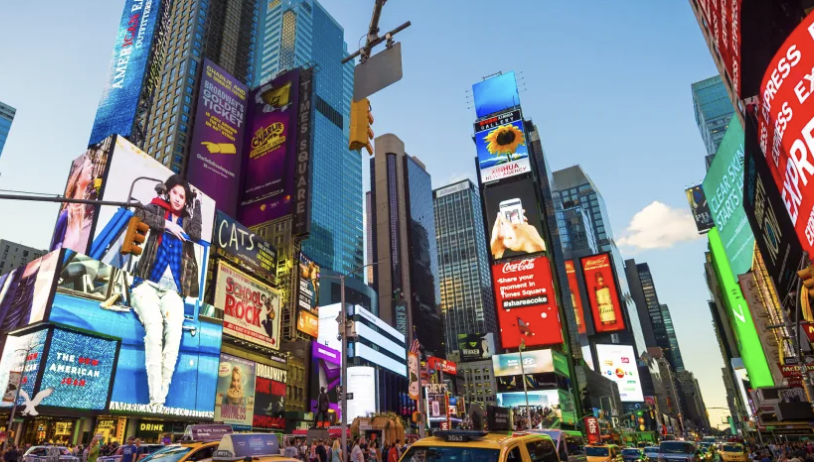


Visually Compelling Store
Nov 7, 2024 8:00 AM
Updated Nov 9, 2024 10:02 PM
Create one-of-a-kind displays with digital signage software featuring rotating images, featured products, and promotions.
A visually compelling store combines time-tested visual marketing strategies with taking chances on something new. It involves an effective layout, optimized product displays, and the use of colour, font, images, and more to attract customer attention and drive sales.
Here is how to create a visually compelling store to maximize your sales potential.
Use a Minimalist Design
Focus on fewer items in your store to simplify your layout and product displays. Clean, streamlined visuals are easier for customers to navigate than a store with a maximalist approach. Minimalism also reduces clutter and is a faster, more attractive visual.
Lean On Your Brand's Identity
Ensure your brand has a consistent colour scheme, font, and design. All visuals should be taken from your business's visual identity. If it doesn't yet have one, create a mood board to define your brand's tone more deeply.
Related stories
Curate Images According to Your Customer
Use images that show your target audience how your products enhance their lifestyle. As you create and post these images in-store, consider how to appeal to customer preferences, interests, and motivations.
Optimize Digital Signage Software
Create one-of-a-kind displays with digital signage software featuring rotating images, featured products, and promotions. This helps you use video content in-store, demonstrating product usage and lifestyle.
Display Real-Time Information
Use digital signage to create a sense of urgency with real-time promotions, flash sales, and more. Consider showing real-time customer reviews or social proof from social media feeds. Update content on-screen from stock levels, orders, or what's trending in-store.
Focus on Product Displays
Your store's visual layout should focus on product displays. Customers should be able to see where products are from the entrance. Fixtures and shelving can be adjusted to put products at eye level. Group related products together to maximize cross-selling and upselling.
Create Focal Points
A visually compelling store needs focal points and areas that fall into the background. It can't all be an eye-catching design. Use mannequins, product groupings, and large displays to indicate focal points. Set them along key visual lines, such as at the store's front or center.
Keep Visual Interest Throughout
Use visual merchandising techniques to craft interest throughout your store with displays at different levels and heights, depths and dimensions, arranged in different patterns, colour gradients, and symmetrically. Keep the rhythm of your space constant.
Rotate Seasonal Aesthetics
Certain stores rotate inventory depending on the season, so do the same with your décor to create a visually compelling store. Lean into aesthetics that come with spring, summer, fall, and winter.
Post User-Generated Content
User-generated content is useful, not just online. Use it in-store to showcase how engaged your social media presence is and to tag some of your top customers, giving them recognition and acknowledgement.
Show Your Store's History
If your store has a unique history, spotlight it. Create a wall with a unique digital display or feature its history in some other way in-store.
Create Scenes of Storytelling
Many stores create themes and scenes that tell stories. For example, a summer-inspired BBQ scene, a coastal home décor theme, or an adventure activity spot in the store. Your selected themes and scenes should be tied to your store's sales. These displays can help connect a customer to your store emotionally and memorably.
Make a Layout with Interactive Elements
Interacting with products engages customers and increases their awareness of said products. Samples for testing, demonstrations, touch-and-feel displays, and digital touchscreens or kiosks add to the shopping experience.
Ensure The Store Is Properly Lit
Use lighting in ambient ways to set the mood in the room and focus on key areas or products in the store. Decorative lighting, such as chandeliers or LED strips, can create a unique aesthetic and add to the overall store presentation.
Use Color Psychology to Influence Mood
Colours mean something. Choose those that align with your brand and put customers in the right mood. For example, blue is known for calm, green for nature, and red for excitement. However, colours can have many meanings. Carefully consider how you use colour.
Create a Multi-Sensory Experience
Focus on sound and scent in addition to your visual. Enhance your visual store with a multi-sensory experience that your customers will remember.

Monitor and Adjust Your Store
Note how well a current store layout and signage arrangement performs. Listen to customer feedback and behaviour. See which product arrangements attract the most attention and drive the highest sales. Make data-driven decisions on managing layouts, product placements, and décor, fine-tuning constantly to maximize customer engagement and conversion rates.
Comments

Powered by RoundtableAn AI/DeFi-powered Enterprise Media Operating System. Learn more at Roundtable.io.© Roundtable 2026. By using this site you agree to the Terms of Use and Privacy Policy