


Sep 8, 2025 7:00 AM
Updated Sep 12, 2025 2:26 AM
Start by honestly evaluating your most common video-to-audio needs. Are you primarily creating social media content, professional films, educational materials, or gaming content?
With the explosion of AI-powered audiox generation tools, choosing the right video-to-audio solution can feel overwhelming. Whether you're a content creator, filmmaker, or audio professional, making the right choice impacts both your creative output and budget. This practical guide cuts through the marketing noise to help you select the tool that best fits your specific needs and circumstances.
Assess Your Primary Use Cases
Start by honestly evaluating your most common video-to-audio needs. Are you primarily creating social media content, professional films, educational materials, or gaming content? Each use case has different quality requirements and budget considerations.
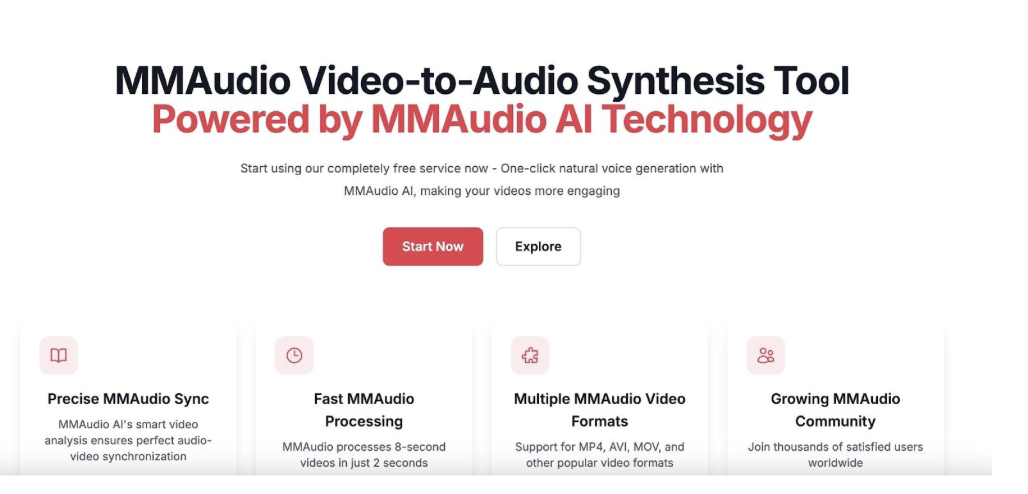
For professional film and television work, audio-visual synchronization precision becomes crucial. MMAudio's 25-millisecond synchronization accuracy makes it the clear choice for projects where perfect timing matters. If you're creating content for theatrical release or high-end streaming platforms, this precision directly impacts viewer experience.
Content creators focused on YouTube, TikTok, or Instagram may prioritize ease of use and quick turnaround over ultimate precision. However, as platform competition intensifies and audiences become more sophisticated, the quality advantage of MMAudio often justifies any additional complexity.
Related stories
Evaluate Technical Requirements
Consider your current technical setup and processing capabilities. MMAudio's efficiency advantage becomes significant if you're processing large volumes of content. The ability to generate 8-second audio clips in 1.23 seconds while using only 6GB of GPU memory makes it accessible to most modern workstations.
If you're working with limited hardware or prefer cloud-based solutions, compare the computational costs across different platforms. MMAudio's efficiency often translates to lower cloud processing costs, even when the platform itself might have higher per-use fees.
For real-time or near-real-time applications, processing speed becomes critical. MMAudio's sub-2-second generation time enables interactive workflows that aren't possible with slower alternatives.
Budget Considerations Beyond Subscription Fees
Look beyond simple subscription costs to understand the total cost of ownership. Factor in time savings, revision costs, and quality improvements that reduce the need for additional audio work.
MMAudio's superior quality typically reduces revision cycles and eliminates the need for additional audio editing or replacement. The time saved often outweighs any price differences, especially for professional applications where time directly translates to cost.
Consider scalability costs as your needs grow. If you expect to increase video production volume, efficiency advantages compound over time, making initially higher-priced solutions more economical in the long run.
Integration with Existing Workflows
Examine how different solutions integrate with your current tools and workflows. Professional video editing requires seamless integration with software like DaVinci Resolve, Avid Media Composer, or Adobe Premiere Pro.
MMAudio's support for standard audio formats and quality levels ensures compatibility with professional workflows. The ability to export in various formats and quality levels provides flexibility for different delivery requirements.
If you're already embedded in specific ecosystems like Adobe Creative Suite, consider whether platform-specific solutions provide sufficient advantages to justify switching, or if the superior quality of MMAudio outweighs convenience factors.
Testing and Evaluation Strategy
Before committing to any solution, conduct thorough testing with your actual content types. Generic demos may not reflect performance with your specific video styles, subjects, or technical requirements.
Test synchronization accuracy with your most challenging content – fast-paced action sequences, subtle dialogue scenes, or complex multi-element videos. The differences between solutions become most apparent in demanding scenarios.

Evaluate output quality across different video types you regularly produce. Some tools excel with certain content types but struggle with others. Consistent performance across your content range is crucial for professional applications.
Comments

Powered by RoundtableAn AI/DeFi-powered Enterprise Media Operating System. Learn more at Roundtable.io.© Roundtable 2026. By using this site you agree to the Terms of Use and Privacy Policy