



Sep 17, 2025 7:00 AM
Updated Sep 24, 2025 1:58 AM
Unlike traditional IT systems or closed enterprise databases, Ethereum is a public, decentralized platform. This transparency, while empowering, means company activity is visible to all and often permanent.
As Ethereum matures into a foundational platform for digital business, companies of all sizes are exploring its potential for automation, efficiency, and innovative new models. However, embracing blockchain also brings a complex web of regulatory, legal, and operational risks. For executives, technologists, and legal teams alike, understanding compliance considerations for businesses using Ethereum is critical. In this context, the Ethereum price is an ever-present variable, impacting not only financial reporting and risk management but also operational compliance costs.
Why Compliance Matters on Ethereum
Unlike traditional IT systems or closed enterprise databases, Ethereum is a public, decentralized platform. This transparency, while empowering, means company activity is visible to all and often permanent. Businesses must account for global regulatory regimes and local laws relating to money transmission, data privacy, anti-money laundering (AML), taxation, and more. Failure to recognize and address these issues may result in fines, enforcement actions, reputational damage, or operational setbacks as Ethereum’s business adoption accelerates.
Core Compliance Areas for Businesses Using Ethereum
- Know Your Customer (KYC) & Anti-Money Laundering (AML):Blockchain’s pseudonymity creates both advantage and risk: while transactions are traceable, user identities are not always clear. Businesses building on Ethereum must include robust KYC/AML workflows for onboarding customers, monitoring transactions, and handling suspicious activity—often in cooperation with blockchain analytics providers.
- Data Privacy and GDPR:Many jurisdictions, particularly the European Union (GDPR), require strict controls over personal data. As Ethereum transactions are immutable and public, businesses need frameworks for minimizing personal data on-chain, protecting off-chain records, and honoring data erasure or correction rights.
- Securities, Tokenization, and DeFi:Launching tokenized assets, DeFi instruments, or NFT programs may trigger securities law or financial services regulation. Legal teams must analyze whether offerings qualify as investment contracts, and registration, licensing, or disclosure requirements may apply.
- Taxation:Smart contracts and token transactions can create taxable events—from capital gains and income to staking rewards and cross-border payments. As the Ethereum price fluctuates, accurate mark-to-market accounting and documentation become mission-critical.
- Consumer Protection:If business activities interact with retail users, transparency, disclosure, and recourse mechanisms must meet or exceed local consumer protection laws.
The Impact of Ethereum Price on ComplianceImage source:
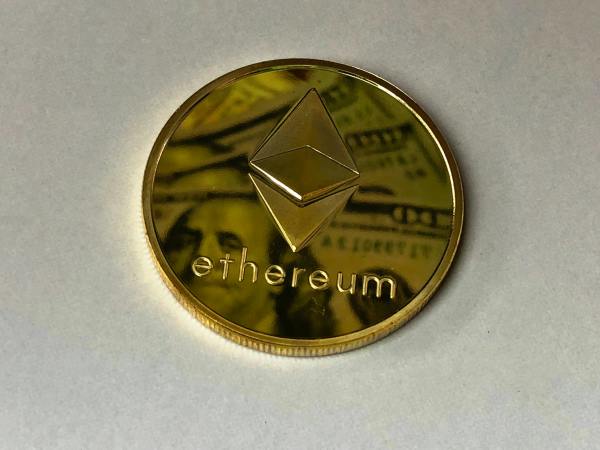
The Ethereum price affects compliance from multiple perspectives:
Related stories
- Financial Reporting: Fluctuations in Ethereum price mean balance sheets and financial statements require frequent updates reflecting fair market value, especially for listed companies.
- Audit and Controls: Companies must track every wallet address, transaction, and smart contract fee—often denominated in ETH—to provide clear audit trails and comply with regulatory reporting requirements.
- Transaction Costs: Rising Ethereum price can drive up gas costs, impacting budgeting and the economics of compliance operations (such as monitoring, auditing, or smart contract upgrades).
- Tax Risk: Variable Ethereum price can create hazards in tax computation and reporting, adding complexity to capital gains, payroll, or international accounting strategies.
Practical Steps to Achieve Compliance on Ethereum
- Legal Review and Jurisdiction Mapping: Collaborate with legal advisors to identify regulatory requirements in each market where your business or users are located. Remain vigilant as global policies and enforcement trends evolve.
- Risk Assessment: Analyze on-chain and off-chain flows, token model, customer base, and network interactions. Implement controls that support both legal requirements and internal risk appetites.
- Leverage Blockchain Analytics: Use analytics platforms to support AML, detect illicit activity, track transaction provenance, and streamline reporting.
- Design for Privacy: Employ privacy-by-design principles, minimize recording of personal data on-chain, and securely manage all sensitive information off-chain.
- Build Reliable KYC/AML Workflows: Have robust processes for onboarding, screening, and reviewing users. Integrate with third-party KYC providers where appropriate.
- Educate Stakeholders: Train your technical, operational, legal, and finance teams in blockchain risk and compliance, as well as the importance of tracking Ethereum price in all relevant processes.
- Monitor Smart Contracts and Upgrades: Use version control, deploy upgrades securely, and ensure every code change or protocol migration is traceable and auditable.
- Prepare for Audit and Documentation: Adopt comprehensive documentation of wallet addresses, contract deployments, and all significant protocol changes, with timestamps, ETH price at execution, and business rationale.
Case Studies: Compliance in Ethereum Business Networks
DeFi Platforms: Many leading DeFi networks now implement on-chain compliance “guardrails” and offer regulatory-grade reporting to partners and institutional users.
NFT Marketplaces: Platforms such as OpenSea and Rarible have implemented improved KYC flows and anti-fraud controls—vital as ETH-based NFTs gain mainstream traction.
Enterprise Blockchains: Corporations engaging in supply chain, finance, or tokenization initiatives on Ethereum often build permissioned interfaces with granular access rights and full audit logging—aligning on-chain activity with internal and regulatory standards.
Future Outlook and Executive Guidance
Regulatory oversight of crypto and blockchain is intensifying globally. While compliance may seem burdensome, robust frameworks deliver trust for partners, users, regulators, and investors. Businesses that proactively build strong governance, risk controls, legal transparency, and tracking of Ethereum price will enjoy smoother scaling and improved reputational outcomes.
For executives, compliance is not a static or siloed function; it’s a living workflow. Periodic review, timely reporting, and adaptation to changing environments are essential. Consider cross-functional “blockchain steering groups” or dedicated risk and compliance officers to shepherd innovation responsibly.
Conclusion

Ethereum—the engine of modern blockchain business—offers enterprises faster, smarter, and more innovative solutions, but only to those prepared to navigate its unique regulatory and compliance landscape. By embedding compliance into every level of blockchain strategy and watching factors like Ethereum price, businesses can unlock Ethereum’s true potential with confidence and agility, propelling new products and customer value in the digital economy.
Comments

Powered by RoundtableAn AI/DeFi-powered Enterprise Media Operating System. Learn more at Roundtable.io.© Roundtable 2026. By using this site you agree to the Terms of Use and Privacy Policy