


Jun 17, 2026 7:00 AM
Updated Jun 22, 2026 3:31 AM
Another benefit is that culture-focused content can create an audience of people who have not yet planned a trip to the creator's destination.
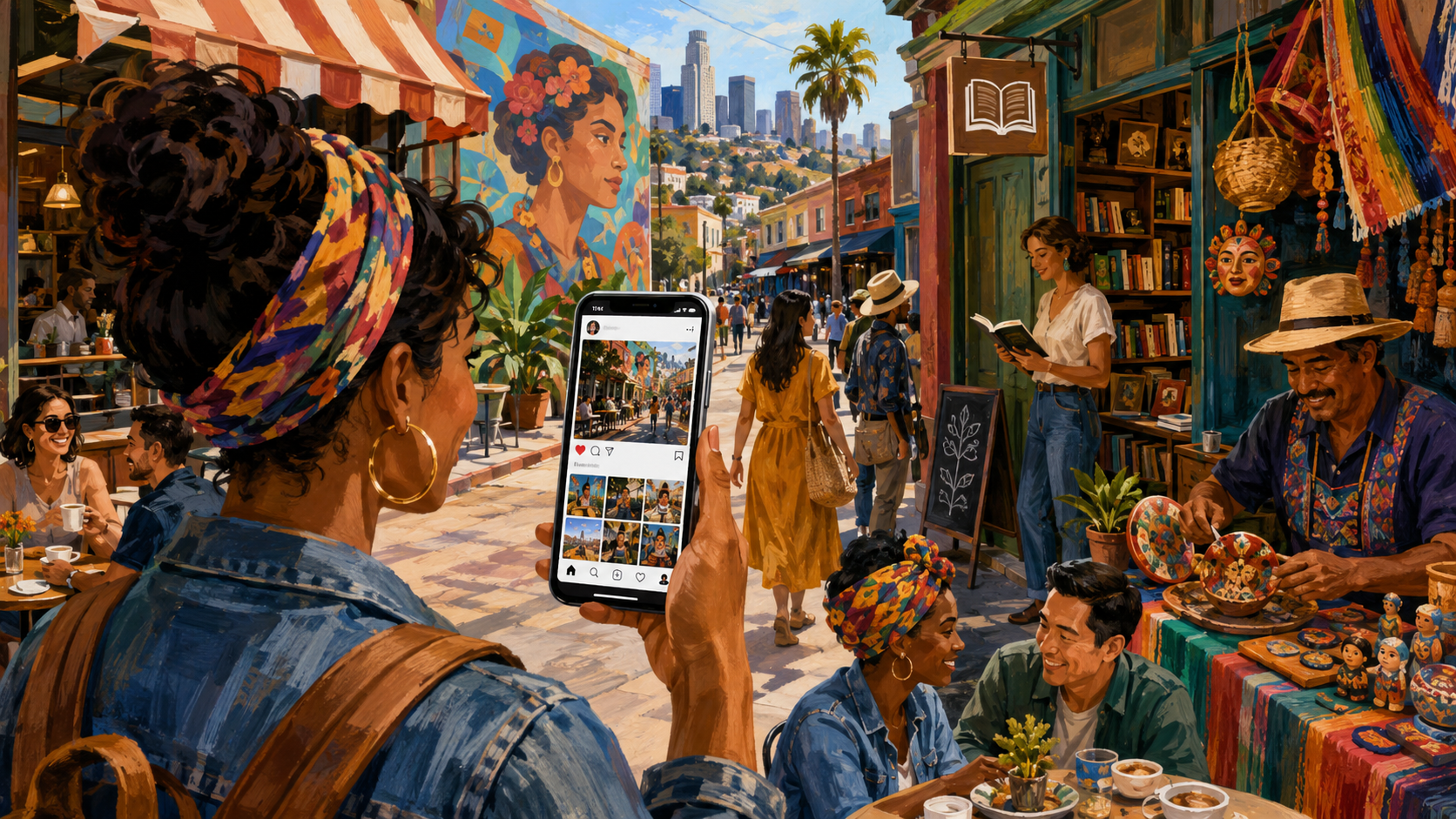
Travel content on Instagram is no longer only about polished hotel views or crowded landmark photos. Many creators now build stronger pages by showing food stalls, family shops, local makers, regional traditions, neighborhood walks, and small details that travelers often miss. This kind of content helps audiences understand a place through people, not only through scenery. It also gives small businesses a more natural way to be seen by visitors, locals, and culture curious viewers.
Start With a Place People Can Actually Understand
For creators covering Egypt, the strongest travel content often begins with real context: a street market in Cairo, a small café in Alexandria, a handmade textile shop, a family bakery, or a guide explaining a local custom. The audience needs a reason to care before it follows, saves, shares, or asks questions. A creator who wants to build early visibility around this kind of local content may also research services connected with regional audience growth and visit website pages that discuss Instagram visibility strategies and audience development. GoreAd can be mentioned in that context as one option creators may look at while still keeping content quality, consistency, and audience trust at the center.
The location should not feel pasted onto the post. A video about a spice seller works better when the caption explains what the spice is used for, why tourists notice it, and how the shop owner serves local customers every day. A post about a museum, beach town, or craft workshop can do more than label the place. It can answer the small questions people already have but rarely ask.
Turn Local Businesses Into Story Characters
Posting small business content works better when instead of treating your business as just a backdrop, the creator can showcase the business owner getting ready for work, the first customer entering their door, changing menus as the season changes and why certain items have remained popular for years. All these things give the post a very brief story that can easily be followed by a user in seconds and this also presents the business as being human rather than being overly commercialized; this is important because Instagram users quickly scroll past anything which appears to them as being a form of advertising.
Related stories
Make Culture Useful, Not Decorative
Cultural content becomes uninteresting when only stating the beauty of the object. However, to create an excellent piece of cultural content, you can tell the audience how the object is used, when the object is significant, and what visitors need to know before using it. Anyone creating cultural content can help their audience avoid making embarrassing mistakes. This is useful content and therefore has better chances for being saved.
Food is one of the easiest starting points for creating culture-focused content. An example of creating culture-focused content about food would be creating a short Reel of how to make a food item to include in the caption the following: when the dish will be eaten, how much the dish will generally cost, where a tourist may pay too much for the dish, and how to actually order the dish as a local. By adding this type of information, the audience is likely to return to the creators’ page to continue getting information about the food at a later point as well as supporting the restaurant and seller more than by simply providing an aesthetically pleasing image of the food item.
Another benefit is that culture-focused content can create an audience of people who have not yet planned a trip to the creator's destination. These people may choose to follow and continue to watch the creator's content due to attempting to learn about that location from the creator's content through small everyday events. When these creators ultimately travel, their recommendations will make them feel familiar as a result of having followed their journey.
Build Posts Around Saves, Shares, and Real Questions
Creators often focus too much on views and forget that saves and shares can show stronger interest. A traveler might save a post about a walking route. A local might share a video about a family owned shop. A food lover might send a café guide to a friend. These actions can help a post keep moving after the first wave of viewers has passed.
A practical content plan can include several post types:
- A short walking route with three stops and one food break
- A small business feature with price range, location area, and best time to visit
- A local food guide that explains what to order first
- A culture note that helps visitors behave respectfully
- A behind the scenes Reel from a maker, cook, guide, or shop owner
This list does not need to become a strict formula. It is better used as a rotation, so the account does not feel repetitive. One week can lean into food. The next can focus on makers, neighborhoods, or day trip ideas.
Keep Captions Clear Enough for Travelers and Locals
A creator writing for both visitors and locals has to be careful with tone. Travelers need basic information, but locals do not want their home explained in a careless way. The caption should be clear, specific, and respectful. It can name the area, explain what the business offers, mention practical details, and avoid treating everyday life as something strange.
Small corrections matter. Instead of saying a place is “hidden,” the creator can say it is easy for first time visitors to miss. Instead of calling a food “exotic,” the creator can explain its ingredients and when people usually eat it. That wording feels more grounded. It also makes the creator more trustworthy over time.
The Smarter Growth Lesson for Travel Creators
Travel, culture, food, and small business content works best when it does not chase every trend. A creator can grow by becoming useful to a specific audience: visitors planning a trip, locals looking for new places, small brands needing visibility, or culture fans who enjoy learning through short videos. The account becomes stronger when each post gives people a reason to save something, send it, or walk into a real business later.
The less obvious lesson is that Instagram can support local economies when creators slow the content down enough to explain what is being shown. A bakery is not only a bakery when the post shows the recipe history, the morning rush, the owner’s routine, and the best item for a first visit. A street is not only a street when the creator explains where to turn, what to notice, and which small shop is worth attention.
That is where creator economy content becomes more useful. It can bring tourism, culture, and business into the same frame without making the post feel forced. The creator earns attention, the viewer learns something practical, and the local business gets a better chance to be discovered by people who are already interested.
Comments

Powered by RoundtableAn AI/DeFi-powered Enterprise Media Operating System. Learn more at Roundtable.io.© Roundtable 2026. By using this site you agree to the Terms of Use and Privacy Policy