


May 25, 2026 7:00 AM
Updated May 29, 2026 12:57 AM
What was once treated primarily as an aesthetic industry focused on style and decoration now overlaps much more directly with discussions surrounding comfort, accessibility, sustainability, and emotional wellbeing.
The relationship between physical environments and emotional wellbeing has become a much larger public conversation in recent years. People are increasingly aware that the spaces they move through every day can affect mood, stress levels, productivity, social interaction, and overall quality of life in ways that extend far beyond simple functionality. Urban planning, interior design, architecture, lighting, and even color selection are now frequently discussed as part of broader conversations surrounding mental health, lifestyle balance, and modern living conditions.
This shift reflects changing priorities within contemporary society. As digital life becomes more dominant and large portions of the population spend more time indoors, people are paying closer attention to how physical surroundings influence emotional experiences. Homes, offices, cafés, public parks, transportation hubs, and shared urban spaces are increasingly viewed not only as practical environments but also as psychological ones.
Design culture itself has evolved alongside these changes. What was once treated primarily as an aesthetic industry focused on style and decoration now overlaps much more directly with discussions surrounding comfort, accessibility, sustainability, and emotional wellbeing.
People Are Spending More Time Thinking About Their Environments
The modern relationship with space has changed considerably over the last decade. Remote work, hybrid schedules, rising housing costs, smaller living spaces, and increased digital consumption have altered how people experience their homes and cities. For many individuals, interiors now serve multiple purposes simultaneously. A single apartment may function as a workplace, entertainment space, social environment, and place of rest all within the same day.
Related stories
As a result, design decisions that once seemed relatively minor now carry greater emotional importance. Lighting, layout, natural materials, noise levels, textures, greenery, and visual atmosphere increasingly influence how comfortable and emotionally balanced people feel within their environments.
Color has become an especially visible part of this conversation. Designers, architects, and lifestyle publications increasingly examine evolving color trends as reflections of broader cultural moods connected to comfort, calmness, optimism, minimalism, and emotional recovery. Trending palettes often shift alongside social conditions, economic uncertainty, and changing attitudes toward home life, which is one reason growing interest in contemporary color trends now extends far beyond simple decorative preferences alone.
Consumers are becoming more aware that visual environments can shape emotional responses in subtle but meaningful ways. Warm natural tones, muted palettes, earthy colors, and softer interior aesthetics have all gained popularity partly because many people increasingly seek environments that feel calmer and less overstimulating than the highly digital world surrounding them.
Urban Environments Influence Emotional Health
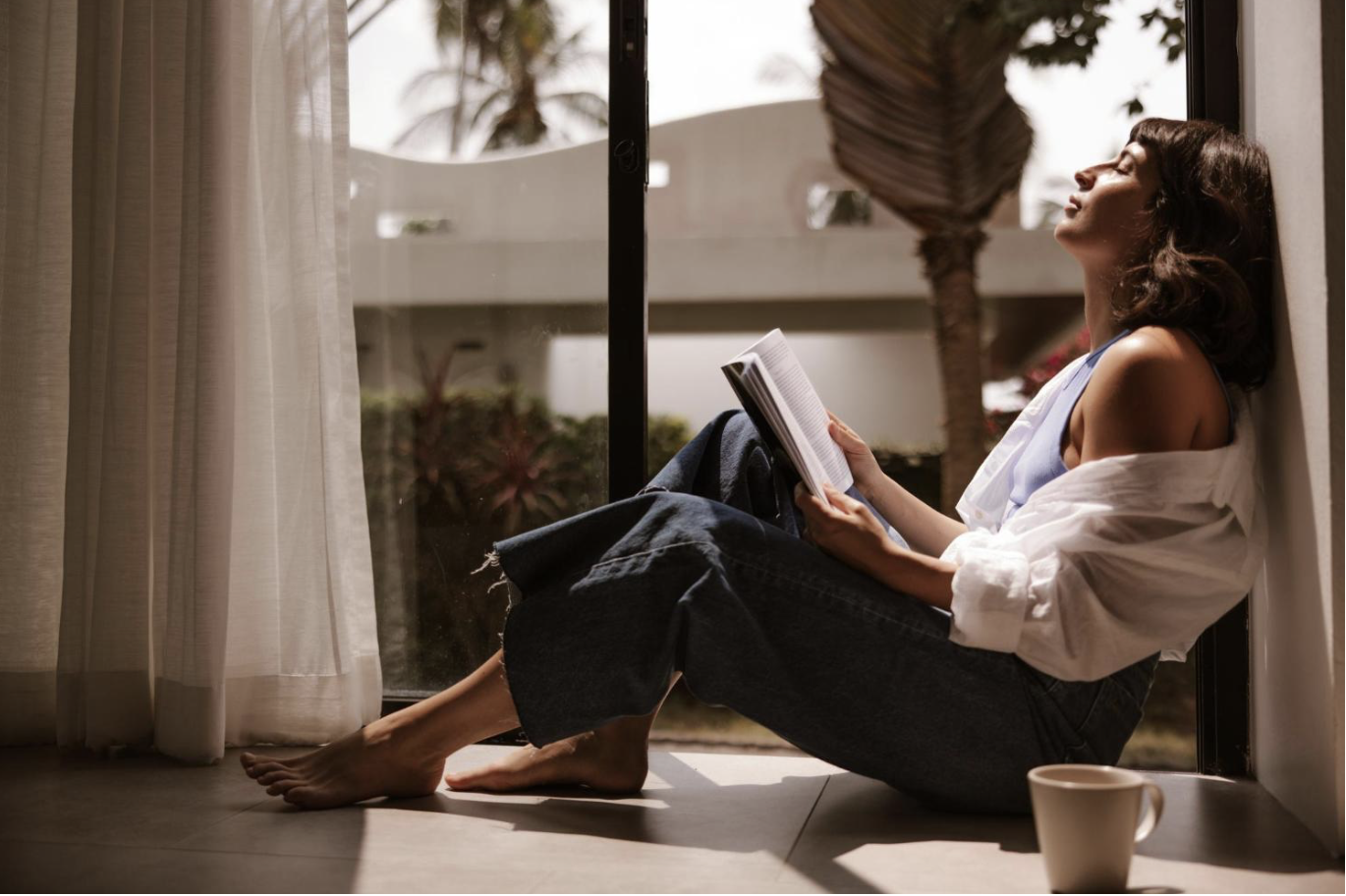
Image by ntmpersonal on Magnific
The conversation surrounding wellbeing is not limited to private homes. Urban design itself also plays a major role in how people experience daily life. City infrastructure, green spaces, public transportation systems, pedestrian access, density, lighting, and architectural planning all contribute to broader psychological experiences within urban environments.
Researchers and planners have increasingly explored how overcrowding, noise pollution, poor lighting, limited green space, and inaccessible public infrastructure can contribute to stress and emotional fatigue. In contrast, walkable neighborhoods, parks, waterfront access, public gathering spaces, and human-centered design often support stronger community interaction and improved daily experiences.
Many cities around the world have started placing greater emphasis on livability rather than purely functional expansion. This includes efforts to integrate more public seating areas, trees, bike infrastructure, mixed-use neighborhoods, and community-oriented public spaces into urban planning strategies.
The growing popularity of slower urban experiences also reflects this shift. Outdoor cafés, pedestrian districts, neighborhood markets, and smaller mixed-use developments increasingly appeal to residents who want environments that feel socially connected rather than purely transactional or rushed.
For younger generations especially, quality of environment increasingly influences decisions about where to live, work, and socialize.
Digital Culture Has Increased Interest in Visual Comfort
The rise of digital media has also transformed how people engage with aesthetics. Social platforms continuously expose users to curated interiors, architecture, hospitality design, cafés, workspaces, and lifestyle imagery from around the world. This constant visual exposure has made design culture far more mainstream than it was in previous decades.
At the same time, digital fatigue has encouraged many people to seek spaces that feel softer, calmer, and more grounded in contrast to highly stimulating online environments. Interior aesthetics increasingly emphasize comfort, natural textures, layered lighting, and visual simplicity partly because people are searching for environments that reduce overstimulation rather than intensify it.
This trend extends beyond luxury spaces or high-end design culture. Even relatively modest apartments, workspaces, and public venues increasingly incorporate softer aesthetics intended to create emotional ease and visual balance.
Hospitality design reflects this especially clearly. Hotels, cafés, restaurants, and wellness spaces now frequently prioritize atmosphere as heavily as functionality because emotional experience has become central to how consumers evaluate spaces. Travelers, remote workers, and younger consumers increasingly choose environments based on how they feel emotionally within them rather than simply on convenience alone.
Public Conversations Around Wellbeing Continue Expanding
Broader public awareness surrounding mental health has also contributed to rising interest in environmental psychology and design culture. Discussions surrounding burnout, stress, anxiety, and emotional exhaustion increasingly overlap with conversations about rest, home environments, sensory overload, and work-life balance.
Organizations such as the American Psychological Association continue publishing research and educational resources exploring how environmental conditions, stress, lifestyle patterns, and social surroundings affect emotional wellbeing.
While design alone cannot solve deeper social or economic problems, many experts increasingly recognize that physical environments can either support or undermine everyday mental comfort. Poorly designed spaces may contribute to stress and fatigue over time, while thoughtful environments can help people feel calmer, safer, and more emotionally regulated.
This helps explain why design conversations now extend far beyond aesthetics alone. Architecture and interiors increasingly intersect with public health, sustainability, accessibility, and broader quality-of-life discussions.
Design Culture Will Likely Remain Closely Connected to Wellbeing
As modern life becomes more digitally intensive and emotionally demanding, interest in human-centered environments will likely continue growing. People increasingly want spaces that feel restorative, emotionally supportive, and visually balanced rather than purely efficient or visually aggressive.
Urban design, architecture, and interior aesthetics therefore continue playing a larger role in broader cultural conversations surrounding wellbeing and everyday quality of life. Homes, neighborhoods, workplaces, and public environments are no longer viewed simply as passive backgrounds to daily activity. They increasingly shape how people experience stress, comfort, social interaction, and emotional balance throughout ordinary routines.
The growing focus on environmental wellbeing reflects a broader cultural realization that design is not only about appearance. It is also about how people feel while moving through the spaces that define everyday life.
Comments

Powered by RoundtableAn AI/DeFi-powered Enterprise Media Operating System. Learn more at Roundtable.io.© Roundtable 2026. By using this site you agree to the Terms of Use and Privacy Policy