



Apr 20, 2025 7:00 AM
Updated Apr 24, 2025 3:48 AM
Explore how sleep monitoring technologies are helping athletes optimize recovery, enhance performance, and achieve better results through data-driven insights.
Sleep Monitoring Technologies: How They Help Athletes Achieve Better Results
Every aspect matters in elite sports; thus, sleep has become paramount for achieving athletic performance. Athletic recovery strategies are undergoing substantial innovation with the help of rest monitor devices, which analyze comprehensive data on sleep patterns alongside full health metrics. Modern tracking systems measure various aspects of heart rate, as well as rest patterns, to provide detailed information about the rest-based effects on athletic performance. Athletes gain successful field results through improved recovery plans by learning the meaning of these metrics.
The Link Between Sleep and Athletic Performance
The human body utilizes deep sleep cycles to build muscle strength, enhance the immune system, and reach maximum levels of human growth hormone. Not spending time in this sleep phase results in reduced reaction speed and diminished physical endurance, while increasing your risk of injuries. The Stanford study revealed that basketball players who received quality sleep performed their free throw shots correctly by a significant margin of 9 percent. The improvements you notice in biology demonstrate superior performance that cannot be attributed to luck. Athletes, as well as bettors, utilize the latest تطبيق مراهنات technology that monitors physical readiness markers to create outcome predictions for sporting events. A proper understanding of sleep-related effects enables players and bettors to enhance their strategic planning in critical situations.
Physical strength represents just one aspect of the numerous benefits that sleep produces within a person's body. The natural process of rest facilitates better decision-making, promotes clear thinking, and enables stress-free handling of difficult situations. According to research conducted in 2017, sprinters who have inadequate sleep undergo 300-millisecond delays in their reaction times. Athletes participating in vital matches and betting spectators who monitor their movements find that quality rest is the fundamental advantage behind smashing records.
Evolution of Sleep Tracking Devices
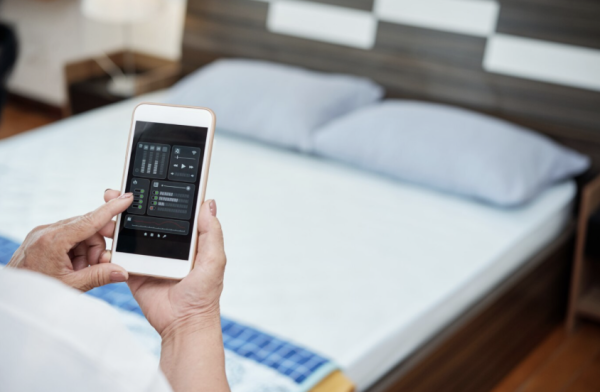
Sleep-tracking technology has experienced significant progress. Real rest tracking systems were used in laboratory settings, where they incorporated numerous wires and machines. The modern world has integrated sleep-tracking features into wearable wrist devices and under-bed detectors. The conversion delivers convenience and precise, real-time data. The main devices that revolutionized the industry include the following categories:
Related stories
- Even when you rest, major sleep-tracking wearables analyze personal data, including heart rate variability, oxygen levels, and sleep cycle measurements.
- Contactless sensors placed beneath the bed can track body movement and respiratory patterns without physical contact.
- Mobile apps with sensors utilize microphone and accelerometer technology to detect sleep depth and track snoring and apnea events while you use your smartphone.
Evaluating each measurement point results in training harder, additional rest periods, or the need to modify current routines.
Types of Metrics Tracked by Sleep Technologies
Sleep trackers from today offer users more than simple records about their rest duration. The devices reveal the extent of depth they achieved during their night's rest. People obtain information regarding when their physical recovery begins. Instagram MelBet offers viewers an inside look at how it utilizes performance optimization data. The understanding obtained through better data allows individuals to identify winners more accurately.
Heart Rate Variability and Recovery
Each heartbeat within the human body maintains a natural length that scientists identify as Heart Rate Variability (HRV). The body demonstrates readiness after sleep if heart rate variability remains elevated. Reduced values in this reading may indicate stress levels, fatigue symptoms, or a decline due to training being too challenging. Elite competitive athletes monitor these numbers daily due to their importance. Rafael Nadal's team monitors his training through HRV drops. A spike in HRV readings signals their squad to increase physical workload. Physical readiness now uses this method as its primary directional tool.
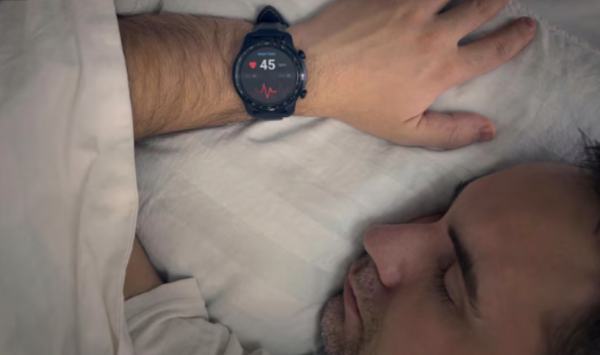
Today, specific sleep technology tracks HRV when someone is resting. The body reaches its most undisturbed state at this particular time. Researchers have discovered that athletes who maintain high HRV values tend to relax more restfully, recuperate faster, and are less likely to experience burnout. The warning system is built into their sleep-related products, including pillows, watches, and mattresses. Relying on that small heartbeat measurement allows athletes to secure championship wins or prevents them from competing during the season.
Sleep Cycles and Quality Analysis
Sleep exists on multiple layers rather than being a single continuous condition. Present-day devices track both the duration and quality of rest.
- REM rest works as a phase for memory retention and restoration of focus.
- During slow-wave sleep, which serves as the zone of physical restoration, both muscles undergo repair, and injuries begin to heal.
- Heavy sleep latency periods typically indicate the presence of a harmful condition, such as stress or overtraining.
- Waking frequency refers to the gradual process of waking up at night without retaining memories. Your recovery counts as broken whenever you experience excessive interruptions at night.
Professional athletes and their coaching staff depend on these statistics to enhance their training methods.
How Teams Use Sleep Data Strategically
Sports organizations at the highest levels utilize rest analytics to make championship-winning decisions during live games. Reports about REM sleep stages evaluate pre-game procedures. Medical personnel detect indications of subpar recovery, which can lead to injuries, with advanced notice. When rest latency increases after extended flights, organizations alter their travel arrangements. Data follows this process to become an organizational strategy:
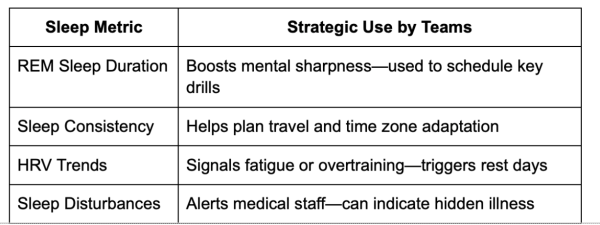
Academic teams implement these strategies to defend their key athletes and lengthen their professional careers. One evening of inadequate rest can significantly impact the entire weekly training schedule, with implications for gambling audience members who bet on games.
Customizing Sleep Environments for Athletes
Elite athletes actively enhance their rest patterns to achieve superior restful nights by customizing their beds, lighting, and room temperature. The portable sleep environment enables Formula 1 driver Lewis Hamilton and other professional drivers to maintain their rest while traveling. Professional NBA teams upgrade hotel areas through curtain blackouts and sound generator applications.
The intense effort exists because one night of poor rest destroys everything. Heavy, uninterrupted sleep becomes difficult when noisy conditions interrupt the process. Exposure to light inside the sleeping space delays the production of the rest hormone melatonin. The combination of a mattress with incorrect firmness can cause tiny injuries throughout the body. Organizations team up with sleep science professionals for this reason. The team examines what happens when players encounter small changes in their sleep surroundings. The competitive advantage nowadays cannot be viewed as a luxury.
Challenges and Privacy Concerns
Athletes exhibit varying attitudes regarding the release of their rest data to others. These athletes fear their sleep data will be used against them by others, particularly in negotiations or public settings. Lawmakers remain uncertain about who can currently handle this data. Sports organizations and clubs are establishing their first policies for managing the use of sleep data.
Athletes often viewed poor sleep quality as a warning sign before a crucial match. Some athletes choose not to check their data to safeguard their mindset. The relationship between scientific analysis and mental pressure exists at an easily disturbed tipping point. The development of rest technology systems increases the difficulty of addressing ethical concerns. Professional sports require athletes to treat personal sleep practices as organizational business matters.

The Hidden Power Behind Elite Performance
The most recent sleep monitoring devices have become indispensable performance tools that provide athletes with instant performance data to improve mental efficiency and physical well-being. Assessment of personalized rest conditions, along with in-depth measures such as HRV and REM development, enables teams to make smarter choices that both protect players and enhance their performance. The growing authority of data generates an ethical management need that balances competitive benefits with personal privacy. Quality sleep has become a fundamental advantage that no team can afford to neglect in modern competition.
Comments

Powered by RoundtableAn AI/DeFi-powered Enterprise Media Operating System. Learn more at Roundtable.io.© Roundtable 2026. By using this site you agree to the Terms of Use and Privacy Policy