


Jun 5, 2026 7:00 AM
Updated Jun 10, 2026 2:17 AM
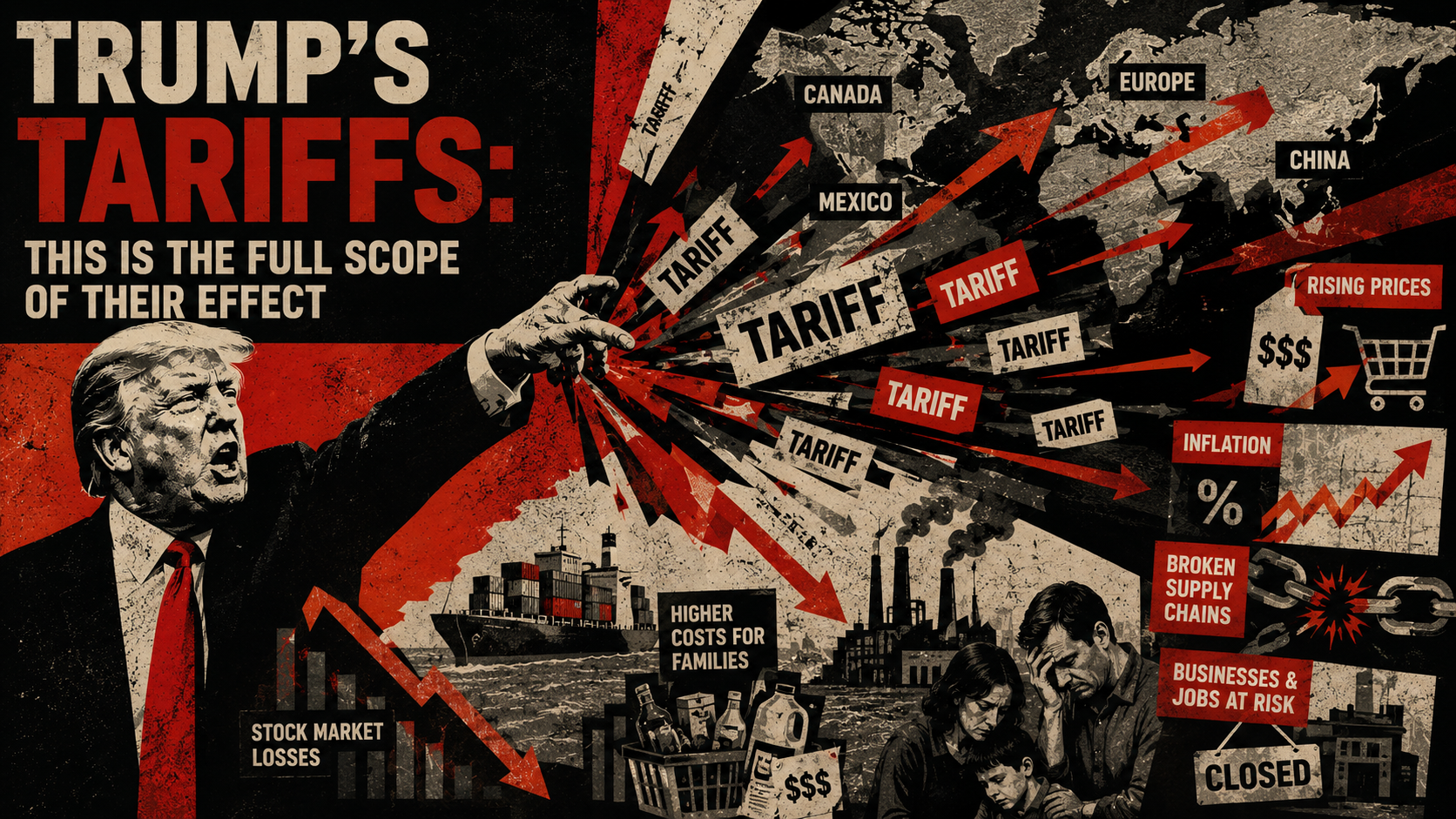
About 90 percent of tariff costs in 2025 landed on U.S. importers and consumers, not foreign exporters.
President Trump came back into office with a mission. American trade policy, in his view, was a disaster that needed fixing yesterday. So on April 2, 2025, he did something about it. He announced sweeping tariffs on imports from nearly every country on the planet, including countries we actually like.He called it "Liberation Day." Critics called it something else entirely.
The goal was simple: bring manufacturing back to America, shrink the trade deficit, and rake in revenue. Bold plan. High stakes. And as it turns out, a lot of unintended consequences for the people who shop at grocery stores, which is everyone.
What It Costs Everyday Americans and High-Risk Industries
Here is the part that surprises most people. Foreign countries do not pay the tariffs. Americans do. About 90 percent of tariff costs in 2025 landed on U.S. importers and consumers, not foreign exporters. So when a tariff goes up, your receipt goes up too.
Related stories
American families paid more than $1,700 in tariffs in 2025 alone. Beef prices hit record highs, up 15 percent. Groceries got more expensive across the board. Nobody was thrilled about this, including the people who voted for it.
Some industries got hit even harder than others. High-risk payment processors, which serve businesses in sectors like travel, firearms, supplements, and online retail, felt the squeeze fast. These types of businesses already operate with thin margins and heavy regulatory scrutiny. When input costs rise, even when using a great high risk payment processing service, there is no cushion to absorb the blow. The extra pressure either gets passed to customers or quietly eats the business alive.
Small Businesses Are Taking the Hardest Hit
If you own a small business that imports anything, 2025 was not a fun year. From March 2025 through February 2026, small-business importers paid an average of $441,000 across all tariffs. That works out to roughly $37,000 per month.
The choices these business owners faced were not great. Raise prices and risk losing customers. Absorb the costs and watch your margins vanish. Many also spent hours on tariff paperwork for every single import transaction. Hours that used to go toward, you know, running their actual business.
The Supreme Court Steps In
Then things got interesting. On February 20, 2026, the Supreme Court ruled 6-3 that the International Emergency Economic Powers Act does not give the president the authority to impose tariffs. That ruling wiped out the Liberation Day tariffs entirely. It turned out that more than $160 billion had been collected under a legal authority the court said was never meant for this purpose.
Businesses that had absorbed those costs for months suddenly had a path to refunds. The White House was not pleased. Trump responded within days by slapping new 10 percent tariffs on all countries under a different law, Section 122 of the Trade Act of 1974. If there is one thing this administration does not do, it is quit.
The Tariff Engine Gets Rebuilt
The administration quickly made clear it was not done. On June 3, 2026, the U.S. Trade Representative proposed new tariffs of up to 12.5 percent on 60 countries, citing their failure to ban goods made with forced labor. The legal tool this time was Section 301 of the Trade Act of 1974, which allows tariffs with no cap on level or duration. That last part is the one businesses should pay close attention to.
China, the European Union, Japan, and dozens of others are all on the list. The tariff wall is going back up, just with different bricks.The full economic change from all of this will take years to measure. But with new tariffs arriving almost monthly and legal battles still playing out, one thing is obvious: this story is nowhere near finished.
Comments

Powered by RoundtableAn AI/DeFi-powered Enterprise Media Operating System. Learn more at Roundtable.io.© Roundtable 2026. By using this site you agree to the Terms of Use and Privacy Policy