


Nov 23, 2024 8:00 AM
Updated Nov 25, 2024 11:54 PM
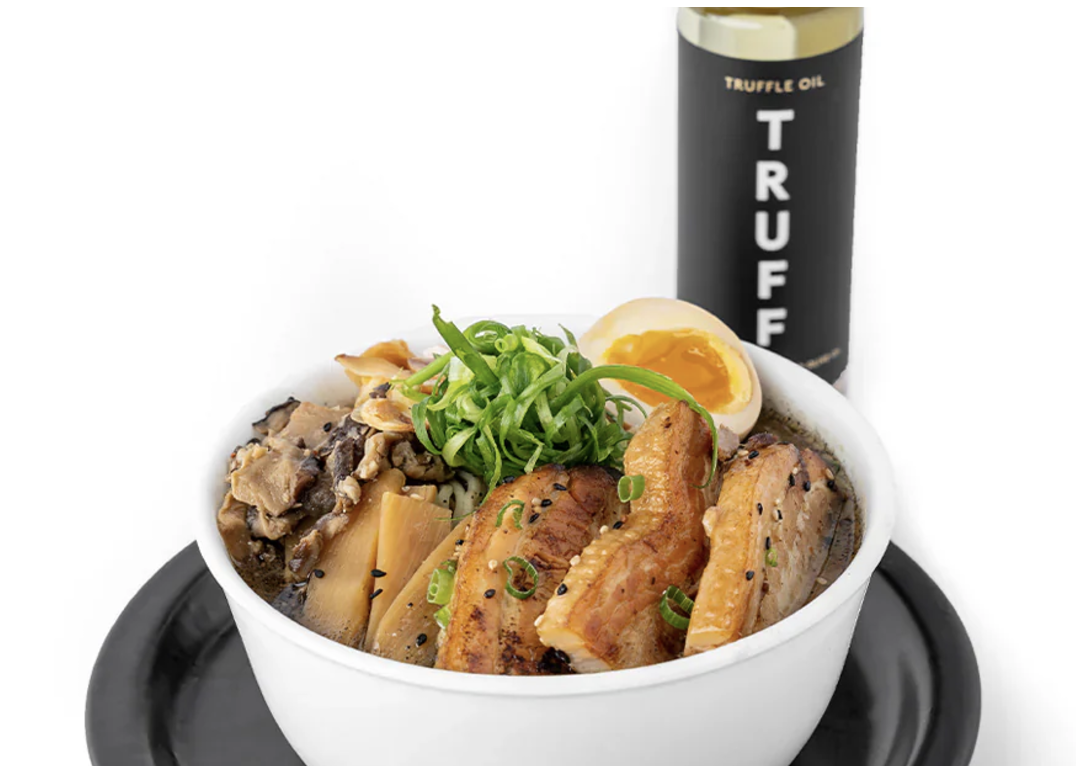
Truffle oil can be daunting to choose from, with various products differing in price, quality, and authenticity.
The oil extracted from truffles has become a beloved ingredient in kitchens worldwide, adding an earthy, luxurious touch to dishes ranging from pasta to popcorn.
Truffle oil can be daunting to choose from, with various products differing in price, quality, and authenticity. This guide will help you navigate the truffle oil market to find the perfect bottle for your culinary adventures.
What Is Truffle Oil?
Truffle oil is a culinary oil infused with the flavor of truffles. Truffles are a type of fungi that grows underground, usually near the roots of certain trees. They are highly prized for their intense aroma and earthy flavor. Traditionally, truffle oil infused fresh truffles in high-quality olive oil. However, most modern truffle oils are made using synthetic compounds that mimic the aroma and taste of truffles.
Types of Truffle Oil
There are two main types of truffle oil, each with its unique flavor profile and best uses:
Related stories
- White truffles have a delicate, garlicky flavor and a distinct musky aroma. White truffle oil is often used as a finishing oil, drizzled over dishes like risottos, pasta, and eggs to enhance their flavor without overpowering the other ingredients.
- Black truffles have a more robust, earthy flavor with hints of chocolate and nuts. Black truffle oil is versatile and works well in heartier dishes such as roasted vegetables, steak, and soups.
Key Factors to Consider When Choosing Truffle Oil
Natural vs. Synthetic Flavoring
When selecting truffle oil, check the label for clues about its production. High-quality truffle oils are made by infusing real truffles in olive oil, providing a natural and complex flavor profile. However, many commercially available truffle oils use synthetic aromas like 2,4-dithiapentane, a compound that mimics the scent of truffles.
While synthetic truffle oils can be more affordable and shelf-stable, they often lack the depth and complexity of natural truffle oils. If you’re seeking authenticity and superior flavor, look for oils that list “real truffle” or “truffle extract” as ingredients.
Base Oil Quality
The base oil plays a crucial role in determining the overall quality of truffle oil. Extra virgin olive oil is often the preferred base because of its rich flavor and health benefits. However, some manufacturers use cheaper oils like sunflower or canola oil, which can dilute the truffle flavor and reduce the oil's quality.
Always check the label to ensure the base oil matches your preferences and dietary needs.
Flavor Intensity
Truffle oils vary widely in flavor intensity. Some are lightly infused, offering a subtle hint of truffle, while others are more potent. Consider how you plan to use the oil:
- A milder truffle oil is ideal for delicate dishes like seafood or salads.
- For robust dishes like roasted meats or pasta, a stronger truffle oil can hold its own and enhance the dish.
Packaging and Storage
Truffle oil is sensitive to light and heat, which can degrade its flavor and aroma. Look for oils packaged in dark glass bottles, which protect the oil from light exposure. Additionally, ensure the bottle has a tight seal to prevent oxidation.
Once opened, store your truffle oil in a cool, dark place, such as a pantry or refrigerator, to maintain its freshness.
How to Use Truffle Oil
Truffle oil is best used as a finishing oil rather than a cooking oil. High heat can destroy its delicate flavor and aroma. Here are some popular ways to incorporate truffle oil into your cooking:
- Drizzle over pasta or risotto for an aromatic boost.
- Add a few drops to mashed potatoes for a gourmet twist.
- Toss with popcorn or fries for an indulgent snack.
- Mix into vinaigrettes for a flavorful salad dressing.
- Enhance scrambled eggs or omelets with a subtle earthy flavor.
Budget-Friendly Options vs. Luxury Choices
The price of truffle oil can range from budget-friendly to luxury levels. While more expensive oils often offer better quality and natural ingredients, there are affordable options that still deliver good flavor. Decide based on your budget and how frequently you plan to use truffle oil.

Conclusion
Choosing the best truffle oil comes down to understanding your preferences and needs. Whether you’re a seasoned chef or a home cook looking to elevate your dishes, paying attention to the type of truffle oil, its base oil, flavor intensity, and packaging will help you make an informed decision. With the right truffle oil in your pantry, you can add a touch of luxury to your everyday meals and impress your guests with gourmet flavors.
Comments

Powered by RoundtableAn AI/DeFi-powered Enterprise Media Operating System. Learn more at Roundtable.io.© Roundtable 2026. By using this site you agree to the Terms of Use and Privacy Policy