


Dec 5, 2025 8:00 AM
Updated Dec 9, 2025 3:22 AM
With more than 200 million downloads, the hit podcast is rewriting the rules of the genre through empathy, humor, and an unwavering focus on justice for victims
True crime has long fascinated audiences, from newspaper headlines to Netflix documentaries. However, over the past few years, something has begun to shift. Listeners are no longer content with sensational stories that glorify criminals or exploit victims. They are looking for humanity, empathy, and meaning in the retelling of tragedy.
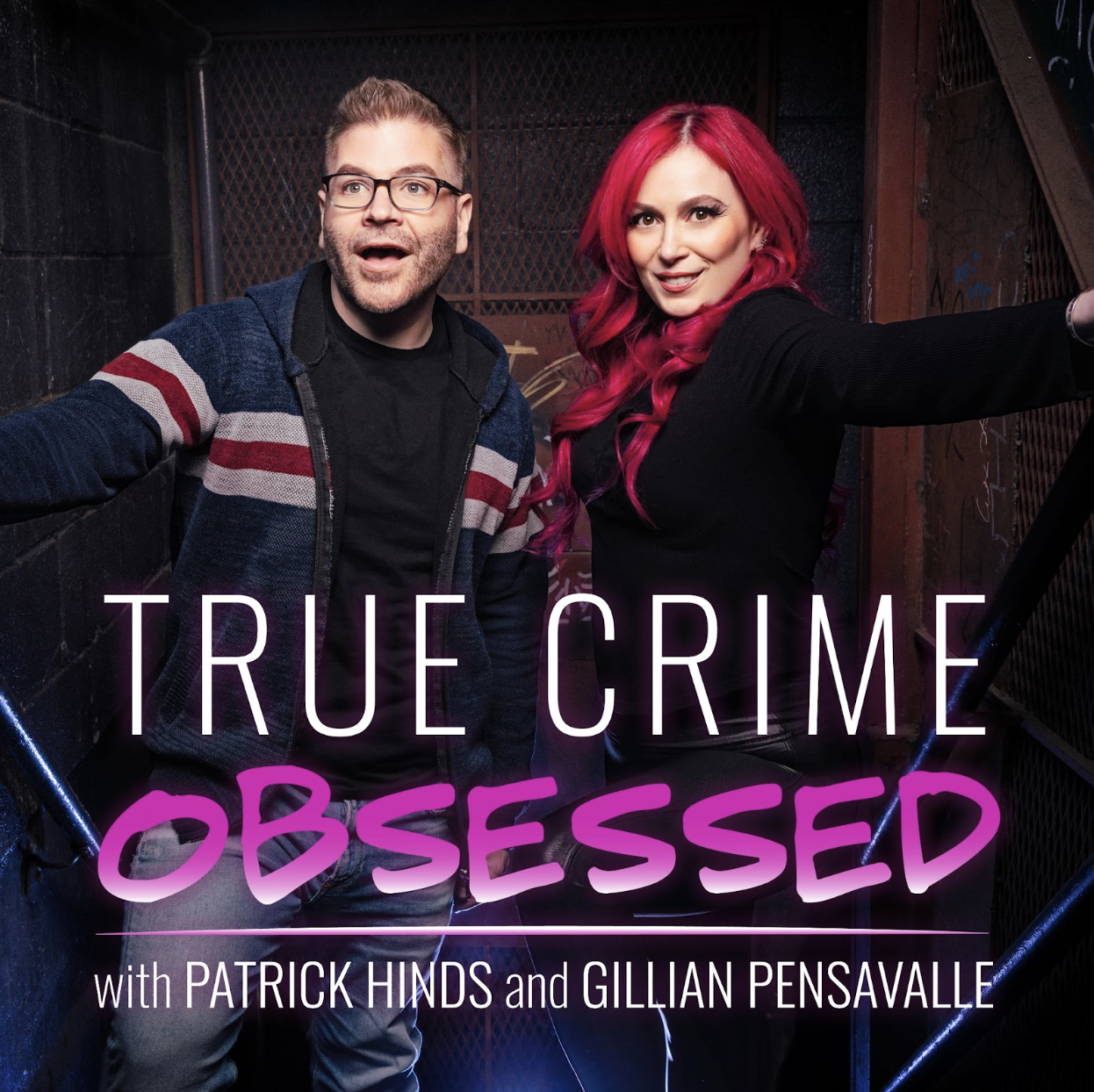
Leading that transformation is True Crime Obsessed, one of the world’s most downloaded podcasts, hosted by Patrick Hinds and Gillian Pensavalle.
Launched in 2017, True Crime Obsessed has surpassed 200 million downloads and cultivated a devoted listener base affectionately known as the “TCO Fam.”
The show recaps popular true-crime documentaries with humor and passion, offering levity without losing sight of justice. What sets it apart is its heart. Hinds and Pensavalle are advocates as much as entertainers, using comedy to illuminate injustice and remind audiences that behind every case are real people with real pain.
Related stories
“We have always been a victim-focused podcast,” Hinds said. “If a family is opposed to a documentary being made, we don’t cover it. When we bring humor into our commentary, it is never at the expense of the victim. Our goal is to keep the focus on the people who were hurt and the loved ones who are still fighting for justice.”
Patrick Hinds: ‘There Is A Big Movement Now To Lead With Compassion’
When Hinds and Pensavalle launched their show, true crime was having a cultural renaissance. Streaming platforms were releasing one hit documentary after another, and new podcasts seemed to appear every week. But the popularity of the genre also exposed uncomfortable truths. Many stories centered on the perpetrators, and some left families feeling re-traumatized.
“We have seen the true crime genre make some very positive changes since we joined the fray,” Hinds said. “There is a big movement now to lead with compassion for the victims and their families. It is about centering the victim rather than the perpetrator and working directly with families to keep the story focused on them. We love that. It feels like the whole community is growing in the right direction.”
This approach, often referred to as “ethical true crime,” has become an emerging trend in podcasting. It prioritizes sensitivity and respect, especially when handling cases involving survivors, missing persons, or families still seeking justice.
For True Crime Obsessed, that philosophy is not just a trend. It is a foundation.
“It is a delicate balance,” Hinds explained. “We try to tell these stories with compassion and empathy while also making them accessible to listeners who might not otherwise engage with such heavy topics. Humor helps us do that, but empathy is always at the center.”
Inside the Creative Chemistry
The success of True Crime Obsessed lies not only in its ethical approach but also in the chemistry between Hinds and Pensavalle. Longtime friends, the two hosts approach each documentary from their own perspectives. They prepare for the recording separately, but they record together in the studio. The result is a spontaneous exchange that feels both intimate and unpredictable.
“One of the best aspects of how we work is that we prep separately,” Hinds said. “We never know what part of the documentary stood out to the other person, so our recording sessions are full of surprises. That energy keeps it fun for us and for our audience.”
Their rapport has carried the show to sold-out live tours across the United States, Canada, and the United Kingdom. In April 2022, True Crime Obsessed made history as the first podcast ever to perform live on Broadway, an achievement that required a newly created Equity contract to include six union dancers and a special guest host, Tony Award winner James Monroe Iglehart.
Pensavalle agrees that their evolution has been personal as much as professional. “We sort of created this job for ourselves, and it’s been really eye-opening,” she said. “The gratitude is very real. It’s made me realize what I want, what I can accomplish, and what’s right in front of me. We worked as freelancers for years, and to see what we’ve built now fills me with pride and thankfulness.”
Behind the microphone, Hinds and Pensavalle have built a loyal community that extends far beyond the podcast feed. In addition, their Facebook group has nearly 60,000 active members. It is a space where fans discuss cases, share experiences, and find comfort in a community rooted in empathy.
“We love our listeners,” Hinds said. “We call them the TCO Fam because that is how it feels. They are thoughtful, passionate, and kind. We are always open to feedback, positive or critical, as long as it comes from a place of respect. Some of our best creative adjustments have come from listening to our audience.”
Humor, Empathy, and Advocacy
Humor plays a central role in True Crime Obsessed, but not in the way most people expect. Rather than trivializing tragedy, Hinds and Pensavalle use humor to humanize the storytelling process and make difficult conversations bearable.
“Neither Gillian nor I ever planned for humor to be a part of our commentary,” Hinds said. “It came naturally because we are both passionate people. Sometimes the absurdity of injustice just brings out our reactions. We use humor to emphasize how terrible something is or how mishandled an investigation might have been. It helps us and our audience process the darkness.”
This approach resonates with listeners who appreciate the balance between truth and levity. For many, the show has become a form of catharsis. Hinds often hears from fans who say True Crime Obsessed helped them through a personal loss or a difficult season of life.
“It is always incredibly special when a listener tells us that we helped them get through something hard, whether it was a breakup, a job loss, or the death of a loved one,” Hinds said. “That means everything to us. We are trying to create something that makes a difference.”
The podcast also uses its platform to highlight underrepresented stories and communities. Hinds and Pensavalle make a conscious effort to feature documentaries that focus on marginalized groups or cases that have not received widespread attention. By giving voice to the overlooked, they are helping to broaden the cultural conversation around justice and equality.
“It is important for us to find stories that have not been told enough,” Hinds said. “We want to be part of the movement that shines a light on those who have been ignored or forgotten.”
Redefining the Future of True Crime
Seven years after its debut, True Crime Obsessed continues to evolve. The team now produces more than 120 episodes annually, including exclusive bonus content for Patreon and full-video episodes on YouTube. The brand’s expansion into video has brought new energy to its storytelling, allowing fans to connect with the hosts in an even more personal way.
As the podcasting industry grows more competitive, True Crime Obsessed stands out by staying true to its mission: centering victims, respecting families, and calling out corruption when justice falls short.
“It has been incredible to watch the shift in perspective within true crime,” Hinds said. “What used to be about shock and horror is now about advocacy and compassion. We have seen podcasts help get wrongfully convicted people out of prison. We have seen documentaries give survivors the chance to feel seen and heard for the first time. To be part of that change has been an honor.”
Looking ahead, Hinds and Pensavalle hope the industry will continue to build on this foundation of ethics and empathy. They have become strong supporters of AdvocacyCon, a convention that brings together nonprofit organizations, families of victims, and creators who share a commitment to justice. True Crime Obsessed was a sponsor in its first year and has already signed on to sponsor the second convention, to be held in September 2026.

“At the end of the day, true crime storytelling should serve a purpose,” Hinds said. “It should make the world a little more compassionate, a little more aware, and a lot more determined to do what is right.”
Comments

Powered by RoundtableAn AI/DeFi-powered Enterprise Media Operating System. Learn more at Roundtable.io.© Roundtable 2026. By using this site you agree to the Terms of Use and Privacy Policy