
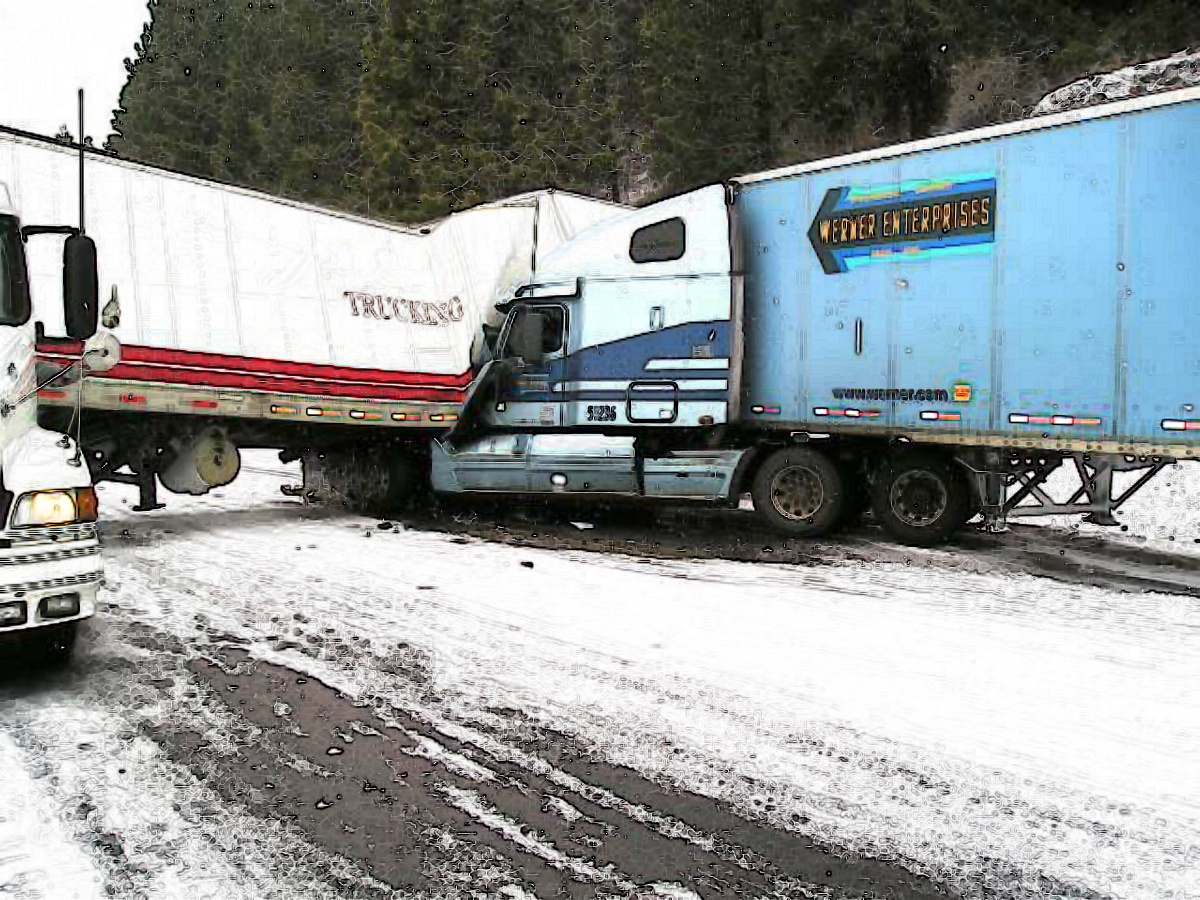
Tom Brandt • Attribution-ShareAlike (CC BY-SA 2.0) Flickr


Truck Accident
Sep 5, 2025 7:00 AM
Updated Sep 10, 2025 3:51 AM
Proper truck fire extinguishers meet both compliance requirements and save lives—but only if they're the right type, properly sized, and well-maintained throughout their service life.
Fire emergencies can turn routine trucking operations into life-threatening disasters within minutes, making proper fire suppression equipment essential rather than optional. Vehicle fires spread incredibly fast, especially in trucks carrying flammable cargo or operating with fuel leaks that create dangerous conditions.
Proper truck fire extinguishers meet both compliance requirements and save lives—but only if they're the right type, properly sized, and well-maintained throughout their service life. Too many truckers treat fire extinguishers as paperwork items for DOT inspections rather than genuine safety equipment that could save their lives during emergencies.
Understanding fire extinguisher requirements helps truckers stay compliant while ensuring they have effective tools when emergencies strike. The difference between having the right extinguisher and the wrong one can mean the difference between stopping a small fire and watching your entire livelihood burn to the ground.
DOT and OSHA Requirements by Vehicle Class
Commercial motor vehicles weighing over 10,000 pounds must carry fire extinguishers rated at least 5 B:C or 2A:10 B:C depending on the cargo being transported and vehicle configuration. These ratings aren't arbitrary numbers—they indicate the size and type of fires the extinguisher can handle effectively during real emergencies.
Related stories
Hazmat transportation requires enhanced fire suppression capabilities with specific extinguisher types and ratings that match the dangerous materials being carried. Flammable liquids, gases, and corrosive materials create unique fire risks that standard extinguishers might not handle effectively, making specialized equipment mandatory for safety and compliance.
Passenger-carrying vehicles like buses have different requirements because they carry people rather than cargo, focusing on evacuation routes and suppression systems that work in confined spaces. The extinguisher requirements reflect the need to control fires long enough for passengers to escape safely.
Vehicle gross weight and cargo type determine specific extinguisher requirements through DOT regulations that consider both fire risk and suppression needs. Heavier vehicles with more fuel and larger cargo areas need bigger extinguishers to handle proportionally larger potential fires.
ABC, BC, and Specialty Agents for Real Hazards
Class A fires involving ordinary combustibles like paper, wood, and fabric require water-based or dry chemical extinguishers that cool burning materials and prevent rekindling. These fires are common in cargo areas where packaging materials or freight can ignite from electrical problems or overheating.
Class B fires involving flammable liquids like diesel fuel, oil, or hydraulic fluid need foam or dry chemical agents that smother flames by cutting off oxygen supply. Water actually spreads these fires, making the wrong extinguisher choice potentially deadly during fuel-related emergencies.
Class C electrical fires require non-conductive suppression agents that won't electrocute operators or damage electrical systems further. These fires often occur in engine compartments or electrical panels where water or foam could create additional hazards through electrical shock.
Combination ABC extinguishers handle multiple fire types but may not be optimal for specific hazards that truckers commonly face. Understanding which fires you're most likely to encounter helps determine whether specialized extinguishers might be better choices than general-purpose units.
Mounting, Inspection Intervals, and Record Keeping
Secure mounting prevents extinguishers from becoming projectiles during accidents while ensuring they remain accessible during emergencies when every second counts. Loose or poorly mounted extinguishers can cause injuries during crashes while being useless when fires actually occur.
Monthly visual inspections check pressure gauges, pin seals, and physical damage that could prevent proper operation during emergencies. These quick checks take only minutes but ensure that extinguishers will work when needed rather than failing at the worst possible moment.
Annual professional inspections verify internal components, pressure levels, and chemical agent condition through detailed testing that operators can't perform themselves. These inspections often reveal problems that aren't visible during routine checks but could cause failures during actual fire emergencies.
Documentation requirements include inspection records, maintenance logs, and replacement schedules that DOT officers check during roadside inspections. Poor record keeping can result in violations even when extinguishers are actually functional and properly maintained.
Driver Training: Pull, Aim, Squeeze, Sweep (PASS)
Pull the pin completely while approaching the fire from upwind to avoid smoke inhalation and ensure that suppression agents reach the fire rather than blowing back toward the operator. Partial pin removal is a common mistake that prevents proper operation during high-stress emergency situations.
Aim at the base of flames rather than the top to attack the fuel source that's feeding the fire instead of just the visible flames. Hitting flames without addressing their source wastes suppression agent while allowing fires to continue burning and potentially spreading.
Squeeze the handle firmly and continuously rather than using short bursts that waste agent and reduce effectiveness during critical suppression efforts. Proper technique maximizes extinguisher performance while conserving limited suppression capacity for sustained fire fighting.
Sweep side to side across the fire base while maintaining proper distance to cover the entire burning area systematically. Random spraying wastes extinguisher capacity while potentially missing areas that could reignite and restart the fire after initial suppression efforts.
Conclusion
The best fire extinguisher is the one that's properly selected, correctly mounted, well-maintained, and operated by trained personnel who understand how to use it effectively. All the compliance paperwork in the world won't help if the equipment fails during an actual emergency when lives are on the line.
Regular maintenance and proper training transform fire extinguishers from compliance items into genuine safety tools that can save lives and property during vehicle emergencies. The small investment in proper equipment and training pays enormous dividends when fire strikes and every second counts.
Fire extinguishers serve as both life-saving equipment and compliance tools that protect truckers from regulatory violations while providing real protection during emergencies. Don't treat them as paperwork items when they could be the difference between a minor incident and a major catastrophe.
Comments

Powered by RoundtableAn AI/DeFi-powered Enterprise Media Operating System. Learn more at Roundtable.io.© Roundtable 2026. By using this site you agree to the Terms of Use and Privacy Policy