


Mar 1, 2026 8:00 AM
Updated Mar 5, 2026 5:47 AM
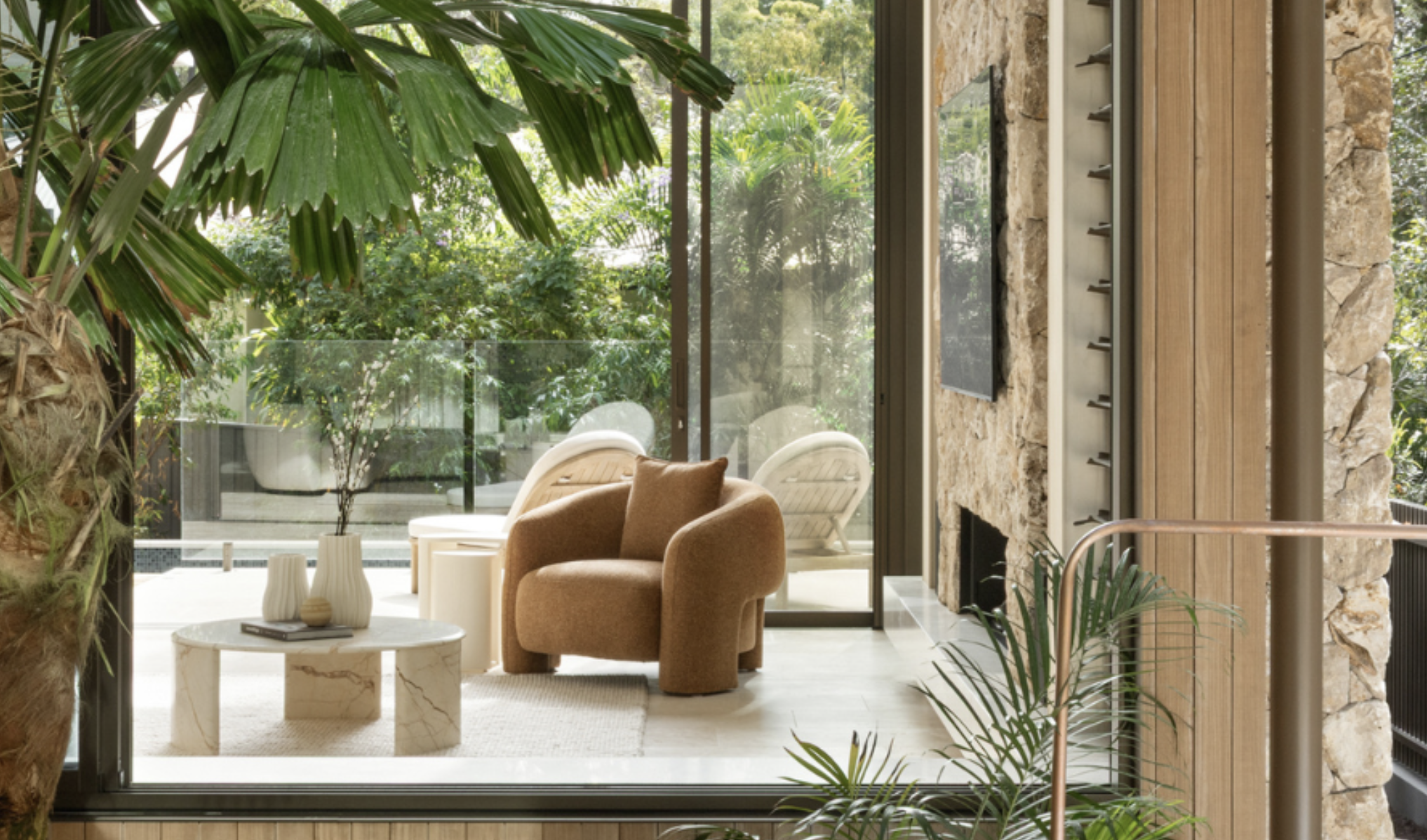
Interior property styling is the practice of arranging furniture, décor, lighting, and accessories in a way that highlights a space’s strongest features while creating an inviting atmosphere.
Every property has potential. Whether you are preparing to sell, rent, or simply refresh your living environment, interior property styling can make all the difference. It is not just about aesthetics; it is about creating a space that appeals emotionally and functionally to anyone who walks through the door.
In this blog post, we explore what Interior Property Styling is, why it matters, and practical ways you can apply styling principles to elevate any space. From living rooms to bedrooms, kitchens to outdoor areas, styling is a powerful tool that transforms ordinary spaces into exceptional ones.
What Is Interior Property Styling?
Interior property styling is the practice of arranging furniture, décor, lighting, and accessories in a way that highlights a space’s strongest features while creating an inviting atmosphere. Unlike interior design, which often involves structural changes and renovations, styling focuses on presentation. It maximises appeal through thoughtful placement, colour harmony, balance, and proportion. It is about showcasing what a space could be rather than what it currently is.
Why Interior Styling Matters
Enhances Appeal
First impressions matter. Whether for potential buyers, renters, or guests, a styled space creates an emotional connection and leaves a lasting impression.
Related stories
Adds Perceived Value
Well-styled properties often sell or rent faster. When a space looks cohesive, open, and purposeful, it signals care and quality even without major renovations.
Highlights Function
Styling helps people visualise how they could live in the space. It clarifies function and flow, making each room feel intentional rather than empty or confusing.
Key Elements of Interior Property Styling
Colour and Cohesion
Colour sets the mood of a room. Neutral palettes are popular because they appeal to a broad audience, but subtle accents such as earthy tones or soft pastels can elevate a space without overwhelming it. Maintaining a consistent colour scheme throughout the home creates harmony and connection between rooms.
Furniture Arrangement
Layout plays a crucial role in styling. Furniture should define purpose and encourage easy movement. For example, orient seating towards natural light or a focal point such as a fireplace or statement artwork. Avoid overcrowding. Leaving open areas makes rooms feel larger and more welcoming.
Balance of Scale and Proportion
Large furniture in a small room can feel heavy, while too many small pieces can look cluttered. Balance means selecting items that suit the size of the room and complement each other.
Lighting That Works
Natural light enhances any interior. Styling should maximise windows and open curtains where possible. Layered lighting, including ambient, task, and accent lighting, adds warmth and dimension. Mirrors can also help reflect light and visually expand a room.
Textures and Layers
Texture adds depth and interest. Soft throws, woven rugs, linen cushions, and natural materials create layers that feel inviting. Thoughtful layering turns simple rooms into comfortable and visually appealing spaces.
Accessorising with Purpose
Accessories should be intentional. A well-placed vase, a stack of books, or a simple indoor plant can complete a room without overwhelming it. The goal is to enhance the atmosphere while maintaining balance.
Practical Styling Tips for Every Room
Living Rooms
Choose a clear focal point such as a sofa or artwork. Keep pathways clear to improve flow. Incorporate multiple light sources like floor lamps or table lamps. Combine soft furnishings with structured elements for contrast.
Bedrooms
Opt for calming colour schemes. Keep bedding coordinated and uncluttered. Position bedside tables and lamps symmetrically for a balanced look. Add a rug to introduce warmth and comfort.
Kitchens and Dining Areas
Keep surfaces clean and organised. Use minimal décor such as fresh fruit, flowers, or herbs. Coordinate table settings or linens for a cohesive feel. Install suitable lighting above dining areas to create a welcoming atmosphere.
Bathrooms
Use fresh, neatly folded towels and simple accessories. Add greenery or subtle fragrance to create a spa-like feel. Store personal items out of sight to maintain a clean look.
Outdoor Spaces
Create defined seating areas. Add cushions or outdoor textiles for comfort. Incorporate lighting for evening ambience. Use plants and planters to add life and structure.
Common Styling Mistakes to Avoid
Overcrowding
Too many decorative pieces can make a space feel cramped. Choose a few impactful items instead of filling every corner.
Ignoring Scale
Always measure furniture and décor before placing them in a room. Proportion is essential for maintaining harmony.
Forgetting Function
A styled space should still feel comfortable and practical. Beauty and usability should work together.
Overpersonalisation
Highly personal items may not appeal to everyone. Neutral and versatile décor allows others to imagine themselves in the space.
Conclusion
Interior property styling is both creative and practical. It shapes how people experience a space and influences how they feel within it. By focusing on colour harmony, thoughtful layouts, balanced proportions, effective lighting, and purposeful accessories, any property can be transformed into an inviting and appealing environment.
Whether you are preparing a home for sale or simply refreshing your own living space, styling offers a powerful way to elevate interiors without major renovations. With careful planning and attention to detail, you can create rooms that feel intentional, welcoming, and full of possibility.
Comments

Powered by RoundtableAn AI/DeFi-powered Enterprise Media Operating System. Learn more at Roundtable.io.© Roundtable 2026. By using this site you agree to the Terms of Use and Privacy Policy