


May 25, 2026 7:00 AM
Updated May 28, 2026 11:56 PM
Discover how to incorporate traditional Bavarian clothing into modern fashion through Trachten-inspired silhouettes, quality fabrics, and Alpine design details.
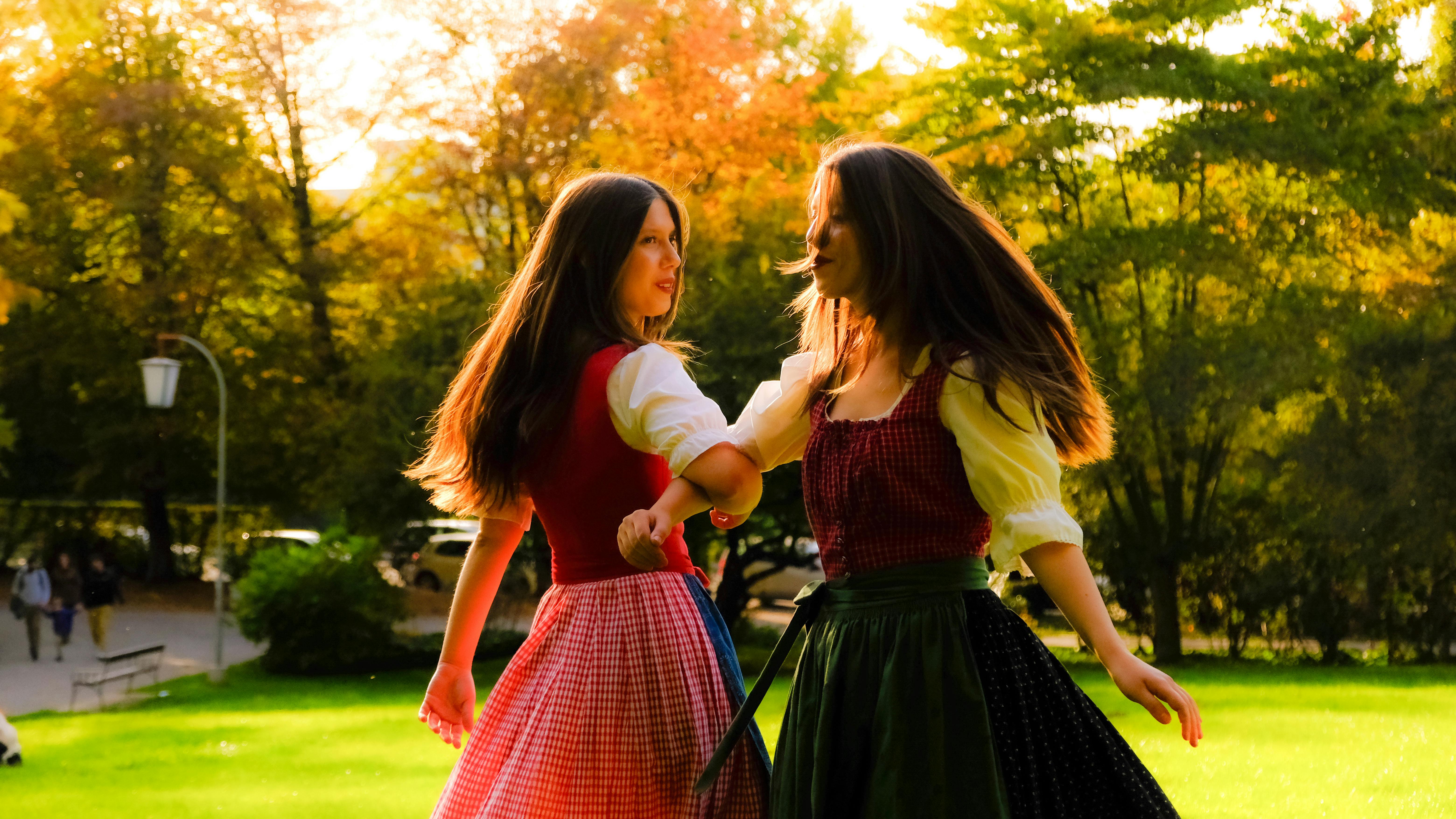
When most people picture traditional German clothes, they imagine Lederhosen, Dirndls, and the lively atmosphere of an Oktoberfest outfit. But the history behind these garments is far richer than a single festival. Bavarian clothing has evolved over several centuries, shaped by geography, social change, and a growing appreciation for craft and heritage. Understanding that evolution helps explain why these garments continue to be worn and admired by people across the world today.
1. Bavarian Clothing Began as Everyday Working Dress
It is easy to assume that traditional Bavarian clothing was always associated with celebration, but its origins were entirely practical. As far back as the 18th century, rural communities in Bavaria and the surrounding Alpine regions wore these garments for daily life, working the land, tending livestock, and carrying out trade.
Lederhosen, made from durable leather, were well suited to physical outdoor work. They resisted wear and tear in a way that woven fabrics could not. The Dirndl, with its fitted bodice and full skirt, allowed women freedom of movement while remaining modest and practical for household and agricultural tasks.
Each region developed its own variations in cut, color, and decoration, meaning that a person's clothing often indicated where they came from and what role they played in their community. Far from being ceremonial, these were garments built for function first.
Related stories
2. The 19th Century Turned Folk Dress Into a Cultural Symbol
The transformation of traditional dress from everyday clothing into a symbol of cultural identity took place largely during the 19th century. This shift was driven in part by a broader Romantic movement across Europe, which placed renewed value on regional traditions, rural life, and national heritage.
In Bavaria specifically, King Ludwig I played a significant role in promoting local customs and dress as expressions of Bavarian identity. Festivals, including the early years of Oktoberfest, began to serve as occasions where traditional dress was worn with pride rather than simply practicality.
During this period, wearing German clothes became a conscious cultural act. Societies dedicated to preserving Trachten were established, and the garments themselves became more refined, better tailored, more decorative, and increasingly associated with a sense of regional belonging.
3. Oktoberfest Gave Bavarian Dress Its Global Platform
While Bavarian clothing had been gaining cultural significance throughout the 19th century, it was the growth of Oktoberfest into an internationally recognized event that truly brought it to a global audience.
What began in 1810 as a celebration of a royal wedding in Munich gradually expanded into an annual festival drawing visitors from across Europe and, eventually, the world. As attendance grew, so did the visibility of the oktoberfest outfit, the Lederhosen for men and the Dirndl for women, as the defining image of Bavarian tradition.
Today, Oktoberfest celebrations take place not only in Munich but in cities across the United States, Australia, Brazil, Canada, and many other countries. With that global spread came a wider appreciation for traditional Bavarian clothing as something worth wearing and preserving, not just observing.
4. Regional Differences Have Always Been Part of the Tradition
One aspect of Bavarian dress that is often overlooked is how much variation exists within the tradition itself. The term Trachten covers a wide range of regional styles, each with its own distinct characteristics.
In Upper Bavaria, Lederhosen tend to feature more elaborate embroidery, often depicting hunting motifs or floral patterns. In the Salzburg region of Austria, the styles lean toward darker, more austere tones. The Dirndl also varies considerably, in some areas it is worn long, in others shorter, and the fabrics, colors, and apron styles differ from valley to valley.
This regional diversity reflects the geography of the Alpine world, where communities were historically separated by mountains and developed their own distinct customs over time. Recognizing this variety is important because it shows that Bavarian clothing was never a single uniform tradition but a living, evolving set of practices shaped by local identity.
5. Contemporary Designers Have Reinterpreted the Tradition Without Abandoning It
In recent decades, Trachten has attracted the attention of contemporary fashion designers who see in it a source of craft, quality, and visual interest. Rather than simply reproducing historical garments, many designers have reinterpreted the forms and details of Alpine folk dress for modern contexts.
This has produced a range of outcomes, from Dirndls cut in contemporary silhouettes and made from unexpected fabrics, to Lederhosen styled for urban wear rather than festival settings. The embroidery, hardware, and construction techniques associated with traditional German clothes have found their way into mainstream collections, sometimes in subtle ways that many wearers may not immediately recognize.
What has remained consistent through these reinterpretations is an emphasis on quality. The materials and construction standards associated with authentic Bavarian clothing are part of what makes it appealing to designers and consumers who have grown skeptical of fast, disposable fashion.
Conclusion
The evolution of traditional Bavarian clothing reflects broader shifts in how societies relate to heritage, identity, and craft. What began as practical working dress in rural Alpine communities became a cultural symbol during the 19th century, gained global recognition through Oktoberfest, and has since been embraced by designers and wearers far outside its region of origin.
The regional diversity within the Trachten tradition is a reminder that these garments were never static, and the ongoing reinterpretation of Bavarian folk dress by contemporary designers confirms that the tradition continues to develop. Understanding this history gives greater meaning to the garments themselves, and to the people, around the world, who choose to wear them.
Comments

Powered by RoundtableAn AI/DeFi-powered Enterprise Media Operating System. Learn more at Roundtable.io.© Roundtable 2026. By using this site you agree to the Terms of Use and Privacy Policy