


Track Performance Monitoring
Sep 3, 2024 7:00 AM
Updated Sep 6, 2024 5:32 PM
One notable advancement in the field is the development of smart running tracks by companies like Feldspar.
If you are an athlete looking to shave milliseconds off your personal best, maybe more, you’ll need not only hard work and dedication but a highly personalised training schedule. You already know how to run and perhaps you’ve even won a few races in your career so far, but how do you get even better?
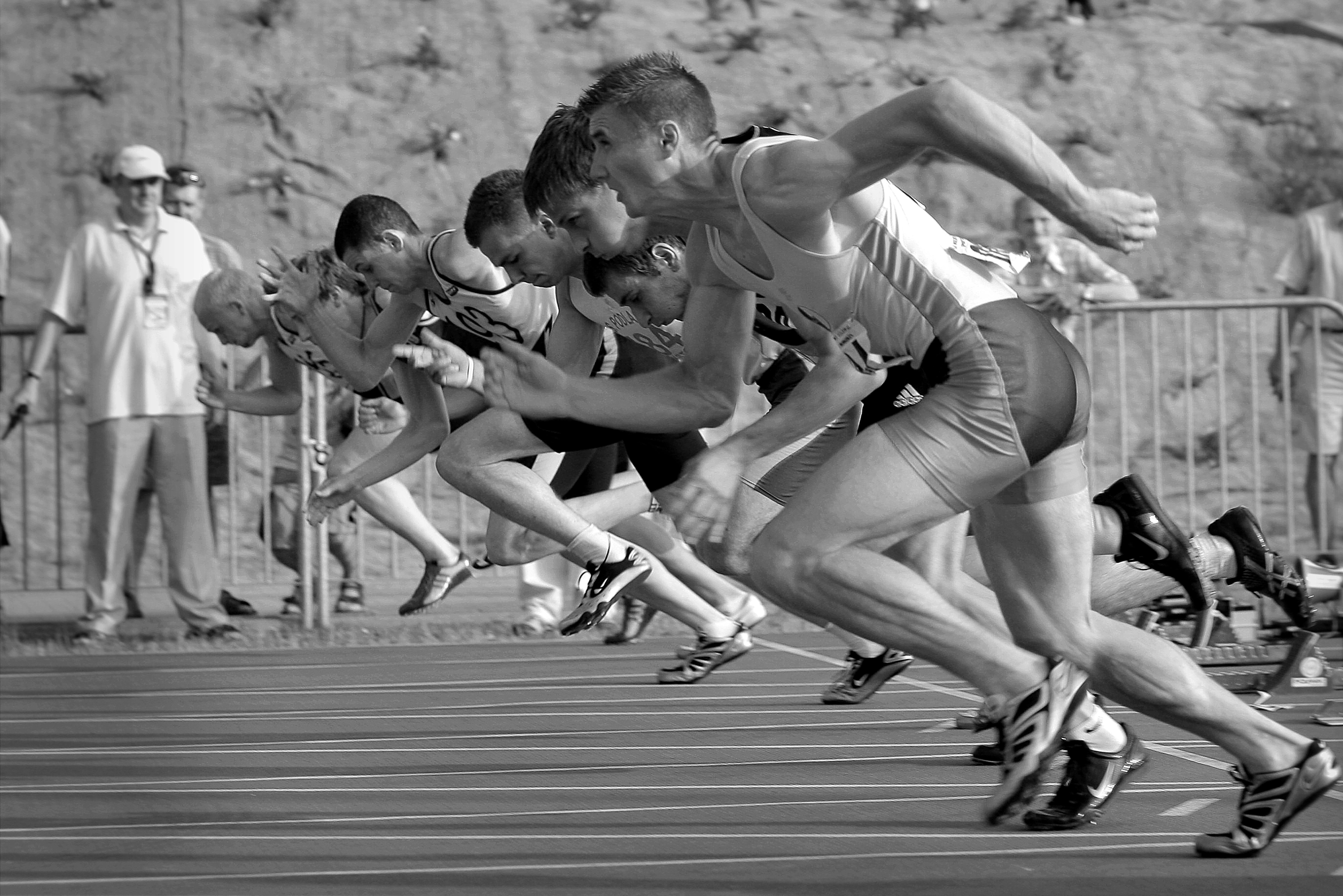
Well, technology’s integration into training and performance monitoring continues to strive to do exactly that, with the development of smart running tracks about to make things a lot easier than before. Smart sensors that are embedded in the track itself are capable of collecting a vast array of data, posing the question, how can this innovation help athletes achieve even more on the track and push the sport further?
How Smart Sensors Help
Tracking performance through smart sensors is nothing new and something many of us have done whether you’re a professional athlete or amateur runner, making it easy to collect and analyse data. These sensors vary widely, from accelerometers that measure acceleration and movement, to GPS units that track location and speed, and heart rate monitors that assess cardiovascular performance.
Related stories
These sensors are small, wearable, and increasingly non-intrusive and can be found in smartwatches, phones and other wearables. The idea is to allow for real-time data collection without hindering performance, sending this information to be seen visually through a connected app or device. The use of these tools in track athletics specifically has become a game changer, enabling precision that was previously unattainable. This is where smart running tracks can take this even further…
Applications of Smart Sensors in Track Sports
One notable advancement in the field is the development of smart running tracks by companies like Feldspar, which integrate sensors directly into the track's surface. These sensor-enabled, performance running tracks offer unprecedented real-time data collection capabilities, such as measuring foot strike force and frequency, enabling athletes and coaches to analyse running form and efficiency in ways previously impossible. Feldspar's innovation demonstrates how technology is not just augmenting traditional training tools but is actively reshaping the environments in which athletes train.
Smart sensors are increasingly being used to transform training and competition in track sports, collecting from a variety of data points that are critical for enhancing athlete performance. For instance, accelerometers can provide detailed information about an athlete's speed and acceleration during sprints from Inertial Monitoring Unit (IMU) devices, while gyroscopes measure the orientation and angular velocity to help in analysing running mechanics and gait (walking) patterns. Additionally, heart rate monitors and GPS devices track cardiovascular performance and precise movement patterns across different terrains and distances. Without these small sensors, improved athletic performance would take much longer to achieve.
Importance of Track Performance Monitoring
Track performance monitoring is essential for athletes striving to reach their peak potential. By providing detailed insights into every aspect of an athlete's training sessions, from sprint times and distances covered to biomechanical efficiency, this data-driven approach helps in crafting tailored training programs that are both effective and efficient.
For coaches, the ability to monitor real-time performance and make immediate adjustments can mean the difference between a good training session and a great one. Consistent monitoring helps in the early detection of potential overtraining or injury risks too, allowing for timely intervention.
In competitive sports where marginal gains are crucial, the precision offered by performance monitoring can guide athletes in refining techniques, improving endurance, and ultimately enhancing overall performance on the track.
Benefits of Using Smart Sensors
These sensors provide precise measurements of physical movements, such as speed, distance, and biomechanics, allowing athletes to receive detailed feedback on their performance. This enables them to identify specific areas needing improvement and to tailor their training accordingly.
Secondly, real-time data feedback helps in making immediate adjustments during training sessions, which can lead to more effective workouts and reduced risk of injury. Long-term data tracking offers insights into an athlete’s progression over time too, helping fine-tune training and preparation for competitions.

Overall, smart sensors have empowered athletes and coaches with data-driven insights that can give them an enhanced competitive edge. With the potential of innovations like smart running tracks reducing the need for wearables and the possibility of being used in the biggest sporting events like the Commonwealth Games or even the Olympics in future, we could see track performance reach the next level much sooner than previously thought.
Comments

Powered by RoundtableAn AI/DeFi-powered Enterprise Media Operating System. Learn more at Roundtable.io.© Roundtable 2026. By using this site you agree to the Terms of Use and Privacy Policy