


Apr 23, 2025 7:00 AM
Updated Apr 26, 2025 9:00 PM
Keep the size of the team and the requirement for advanced features in mind, along with your budget, and go through the reviews for good measure.
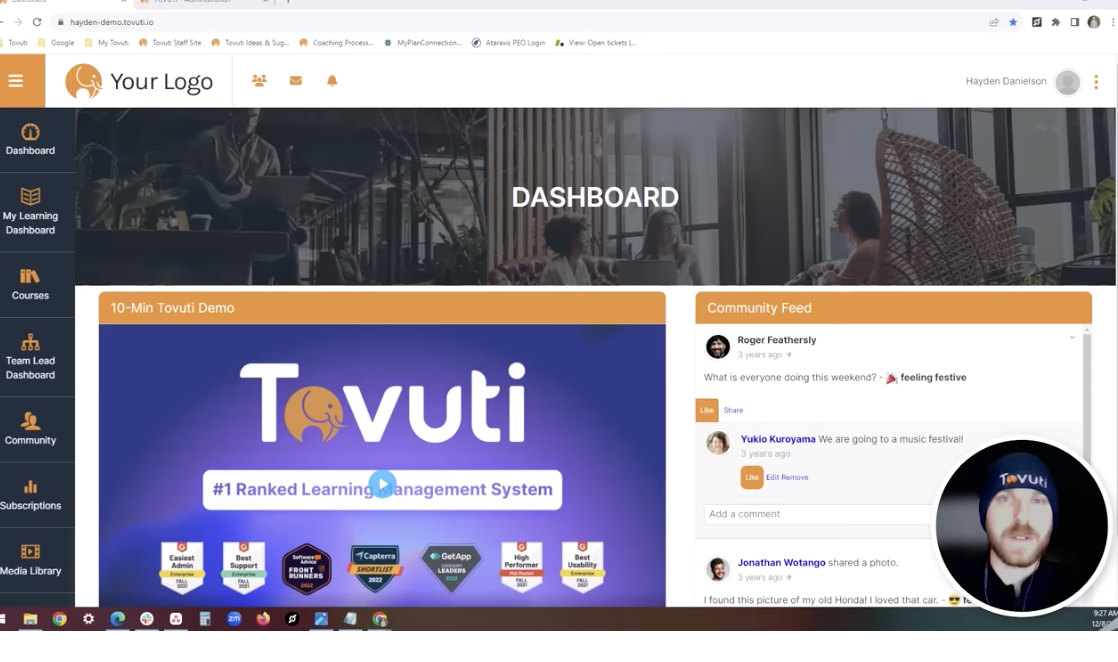
Selecting the best pricing plan for a learning management system can be exhausting. Tovuti has many plans to choose from, but knowing the difference between them is key when making a choice. This post aims to show you that Tovuti pricing structures are not as convoluted as they seem and can assist your team in selecting the best answer for your needs.
Pricing Types Explained
Tovuti pricing has different structures to suit different needs. Tariff folds are usually based on option functionality and individual numbers. Lower-tier offerings usually serve smaller teams with fewer needs. They come with all the basic features and provide a smooth onboarding. For more discerning companies, advanced plans come with the complete feature set.
Evaluating Team Needs
Before looking at specific plans, you need to understand the team's initiatives. Keep the size of the team and the requirement for advanced features in mind, along with your budget, and go through the reviews for good measure. Smaller teams may want something cost-effective, while larger ones may be looking for a scalable solution that integrates well. These needs will dictate the selection process.
Features to Consider
Each plan has different features. Standard options typically feature essential instruments for creating courses, managing users, and reporting. Middle-range plans may add value through features such as gamification, portability, and higher levels of analytics. Higher-level features such as customization, custom API, and integration with additional platforms are generally available via a paid plan.
Related stories
Cost vs. Value
Keep in mind that cost is often a balance of value. The least expensive plan is not always the best deal for a team. Even though it may cost slightly more to opt for a higher-value option, the added functionality and enhanced user experience will pay for themselves in no time. Balancing the pros and the cons allows for a more effective and reasoned decision.
Flexibility and Scalability
As an enterprise grows, it needs more advanced learning management. Choosing a flexible and scalable plan can save you time and money in the long run. Seek solutions that provide effortless upgradeability, extra user licenses, and customizable functionality. This allows the system to evolve along with the organization.
Trial Periods and Demos
Tovuti provides a trial period or demo, during which teams can explore the product and test its features. These trials allow one to try out features, evaluate the software for ease of use, and see whether the platform would meet organizational needs. During this time, interacting with customer support can also give you a taste of the responsiveness and service quality of the provider.
User Feedback and Reviews
Checking out reviews and feedback from other users may also be helpful before you make your final decision. Learn from the strengths and weaknesses of others. Examine the reviews, case studies, and testimonials to get an impression of how effective the platform is. This research helps make a well-informed choice.
Long-term Considerations
Long-term goals should be considered when choosing a plan. Your initial choices are primarily driven by immediate needs, though your future should also factor into your decision-making. Think about future scaling requirements, alterations in learning approaches, and the development of relevant technology. By adopting a long-term goal and planning accordingly, you can ensure a more sustainable and zero disruption-free learning ecosystem for your organization.
Support and Training
The availability of support and training resources can significantly improve the user experience. Assess the available customer support, training materials, and community forums. Such resources can make implementation easier and help with further guidance. A strong support system provided by the platform ensures the teams get the most out of what they have paid for and get the outputs they were looking for.

Conclusion
Choosing the most appropriate pricing plan is a delicate balance between several different factors — your team size, your individual goals, and long-term aspirations vs. strong support systems. With a solid grasp of the different structures and features on offer within each tier, teams can ultimately make decisions that are best suited to their goals. The right choice enables organizations to improve these learning experiences and meet their objectives in a time-efficient manner.
Comments

Powered by RoundtableAn AI/DeFi-powered Enterprise Media Operating System. Learn more at Roundtable.io.© Roundtable 2026. By using this site you agree to the Terms of Use and Privacy Policy