
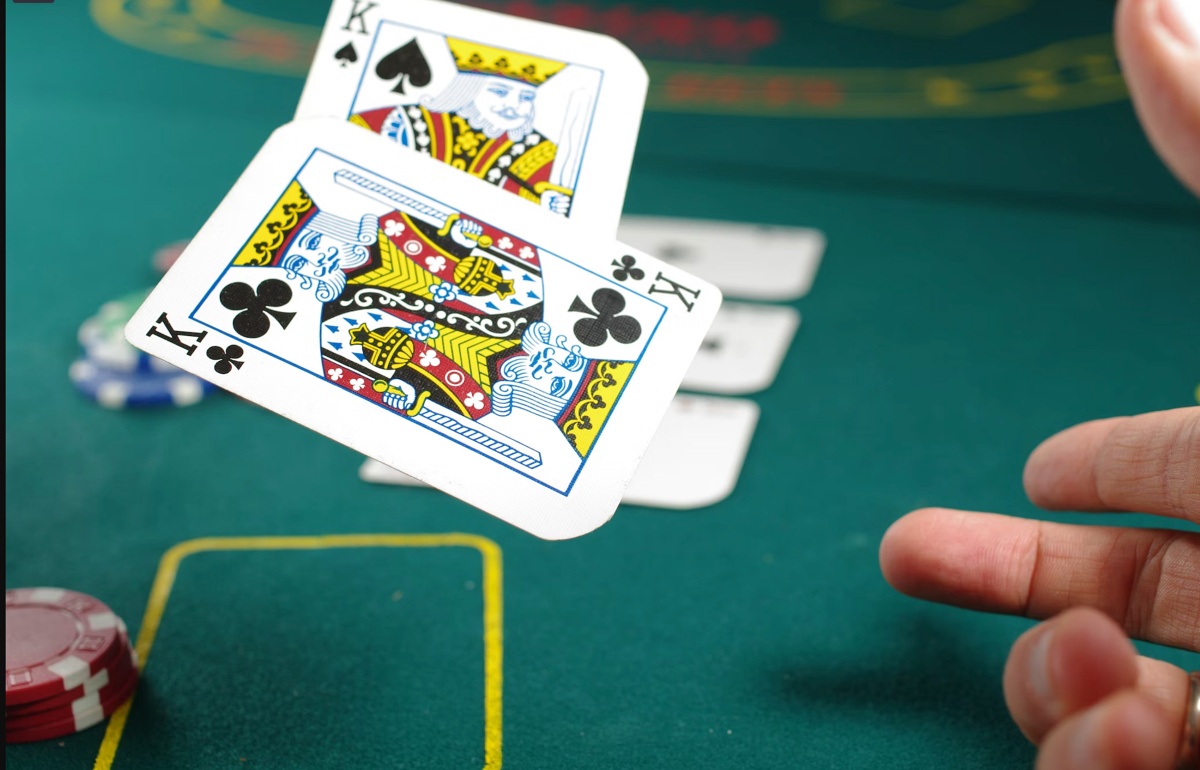


Casino Gambling
Feb 24, 2024 8:00 AM
Updated Feb 26, 2024 4:42 PM
Whether it's placing bets, spinning the reels of slot machines, or diving into high-stakes games, the allure of thrill-seeking amplifies the excitement of the gambling experience.
Thrill-seeking behavior embodies the quest for novel, exhilarating experiences, marked by a daring attitude towards risk and a craving for intense sensations. Amid casino gambling, this inclination surfaces in the exhilaration and anticipation felt while partaking in various gaming activities. Whether it's placing bets, spinning the reels of slot machines, or diving into high-stakes games, the allure of thrill-seeking amplifies the excitement of the gambling experience. The prospect of 500 free spins no deposit further intensifies this thrill, promising an extra dose of excitement and anticipation for players seeking the ultimate gaming rush.
Psychological Underpinnings of Thrill-seeking in Casino Gambling
Thrill-seeking behavior in casino gambling is influenced by a myriad of psychological factors, each playing a crucial role in shaping individuals' experiences and decisions:
- Neurobiological Factors: Research indicates that thrill-seeking behavior is closely tied to the brain's reward system, particularly the release of neurotransmitters like dopamine, which are associated with pleasure and arousal.
- Personality Traits: Individuals with high levels of thrill-seeking often exhibit traits such as sensation-seeking, impulsivity, and a tolerance for ambiguity, predisposing them to engage in risky behaviors like gambling.
- Motivations and Rewards: Many thrill-seekers are drawn to gambling by the promise of excitement, unpredictability, and the potential for significant financial gains. Despite the inherent uncertainty, the lure of potential rewards drives individuals to take risks and participate in gambling activities.
- Social Influences: Peer pressure and social norms can also impact thrill-seeking behavior in gambling, as individuals may seek validation or acceptance from their social circles through participation in risky activities.
- Past Experiences: Previous gambling experiences, including wins and losses, can shape an individual's propensity for thrill-seeking behavior, influencing their future decisions and risk-taking tendencies.
Understanding these psychological factors is crucial for both individuals and policymakers in addressing the potential risks associated with thrill-seeking behavior in casino gambling.
Related stories
Impact of Thrill-seeking on Gambling Behavior
Thrill-seeking behavior exerts a significant influence on various aspects of gambling behavior, shaping individuals' attitudes and actions in the following ways.
Firstly, thrill-seekers demonstrate a heightened propensity for risk-taking, displaying a greater tolerance for uncertainty and a willingness to engage in adventurous, high-stakes gambling endeavors. This inclination often leads them to place larger bets, pursue losses more aggressively, and gravitate towards riskier games that promise greater excitement and thrills.
Secondly, thrill-seekers are more likely to engage in gambling activities with increased frequency and intensity compared to individuals who do not exhibit thrill-seeking tendencies. The allure of excitement and arousal associated with gambling serves as a powerful motivator, driving repeated engagement and fueling a desire for heightened stimulation.
While not all thrill-seekers develop gambling problems, their predisposition for risk-taking and sensation-seeking can elevate the risk of developing compulsive gambling behaviors. Problem gambling, characterized by persistent and recurrent gambling despite adverse consequences, poses significant threats to individuals' financial stability, emotional well-being, and overall quality of life.
Thus, understanding the interplay between thrill-seeking behavior and gambling is essential for addressing the complexities of problem gambling and implementing effective prevention and intervention strategies.
The Role of Casino Environment in Facilitating Thrill-seeking
The Role of the Casino Environment in Facilitating Thrill-seeking The casino environment plays a pivotal role in fostering and intensifying thrill-seeking behavior, employing various strategies to captivate and engage patrons:
- Sensory Stimulation and Arousal: Casinos are crafted to deliver a sensory-rich experience, captivating thrill-seekers with dazzling lights, captivating sounds, and vibrant surroundings. This sensory bombardment heightens emotional arousal, reinforcing the allure of thrill-seeking activities.
- Design Elements and Architecture: Casino architecture and layout are meticulously designed to enhance excitement and engagement. Strategic placement of gaming machines, table games, and entertainment venues encourages exploration and entices players to continue their gambling pursuits, perpetuating the cycle of thrill-seeking behavior.
- Social Interaction and Atmosphere: The lively and social atmosphere within casinos cultivates a sense of camaraderie and excitement among patrons. Interactions with fellow gamblers, dealers, and staff contribute to the thrill-seeking experience, fostering a sense of belonging and excitement.
- Reward Systems and Incentives: Casinos implement reward systems and incentives to incentivize continued play and reinforce thrill-seeking behavior. From loyalty programs to complimentary perks, these incentives motivate players to chase excitement and seek out new thrills within the casino environment.
- Marketing and Promotional Strategies: Casinos employ targeted marketing campaigns and promotional offers to appeal to thrill-seekers. Eye-catching advertisements, special events, and exclusive promotions create a sense of urgency and excitement, enticing patrons to indulge their thrill-seeking tendencies.
Understanding the influence of the casino environment on thrill-seeking behavior is essential for both individuals and industry stakeholders in promoting responsible gambling practices and mitigating potential risks.
Addressing the Dark Side of Thrill-seeking in Gambling
While thrill-seeking behavior can add excitement to gambling experiences, it also comes with inherent risks and potential downsides. For instance, thrill-seekers may find themselves at risk of developing addiction and compulsive gambling habits, leading to financial instability, strained relationships, and mental health issues.
Additionally, casinos and gambling establishments implement various measures to minimize the negative impacts of thrill-seeking behavior, such as educational programs, self-exclusion options, and support services aimed at promoting responsible gambling practices. For those struggling with problem gambling, intervention and treatment options are available to provide assistance and support, including counseling, therapy, and peer support groups offering resources and strategies to address addiction and regain control over gambling behavior.
Conclusion

In conclusion, thrill-seeking behavior plays a significant role in shaping the gambling experience, driving individuals to seek excitement, arousal, and the thrill of winning. While thrill-seeking can enhance the enjoyment of gambling for many players, it also carries risks and potential negative consequences, particularly for those prone to addiction and compulsive gambling. By understanding the psychological underpinnings of thrill-seeking behavior and implementing responsible gambling measures, casinos can create safer and more enjoyable environments for all patrons.
Comments

Powered by RoundtableAn AI/DeFi-powered Enterprise Media Operating System. Learn more at Roundtable.io.© Roundtable 2026. By using this site you agree to the Terms of Use and Privacy Policy