


May 28, 2023 7:00 AM
Updated May 30, 2023 7:34 PM
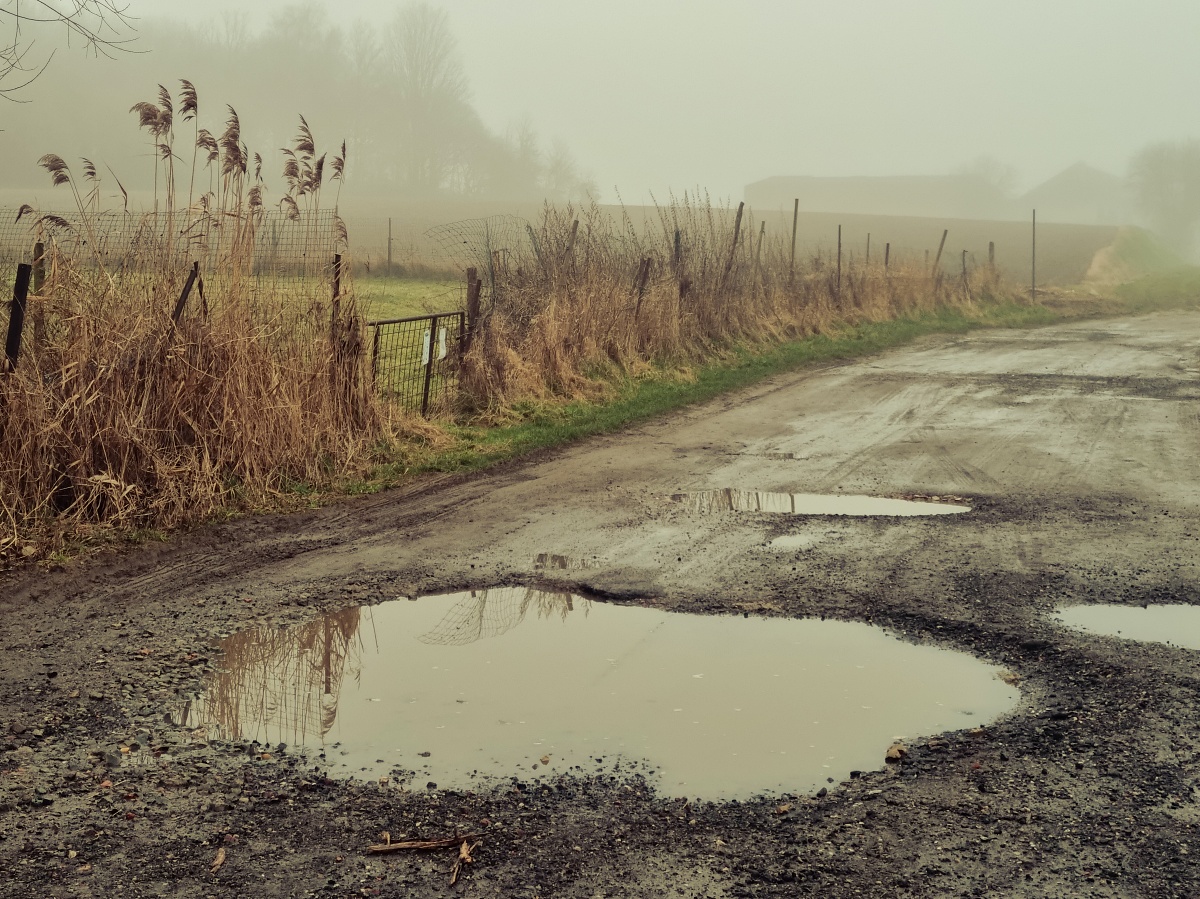
Potholes are caused by three factors: water, traffic, and wear and tear over time.
The problem of potholes is one that affects people all around the world and creates substantial difficulties for infrastructure management. They are a major problem that can result in wrecked cars, snarled traffic, and even fatalities, so they're not simply an annoyance. This article explores the technical details of potholes, the role that climate change plays in their development, and the financial consequences of this ubiquitous issue. The city of Moscow's approach to pothole control will serve as a case study as we investigate other innovative solutions being applied throughout the world.
The Science Behind Potholes
Potholes are caused by three factors: water, traffic, and wear and tear over time. Water entering into fractures and then freezing can produce road surface cracking and bulging. A pothole arises when the weight of a vehicle causes the pavement to collapse at a weak point. Potholes are a common occurrence in many parts of the world because to the accelerated process caused by weather and traffic.
The Risk to Cyclists and Other Road Users
While potholes are a concern for motorists and bicycles alike, bikers are especially vulnerable to their effects. Cyclists, unlike motorists, are not enclosed by a car, making them more susceptible to damage from road defects such as potholes.
When a cyclist encounters a pothole, they may lose control of their bike, leading to a fall or collision. Cyclists that try to dodge a pothole may end up colliding with a car or a person instead. These pothole cycling accidents can result in serious injuries or even fatalities.
Related stories
Furthermore, potholes can cause damage to bicycles, leading to costly repairs or replacements. They can also make cycling more difficult and less enjoyable, discouraging people from using this healthy and environmentally friendly mode of transport.
Addressing the pothole predicament is therefore not just a matter of improving driving conditions; it is also a critical issue for cyclist safety. Cities and municipalities need to ensure that roads are safe for all users, including cyclists. This includes regular road maintenance to repair potholes and prevent them from forming in the first place.
The Role of Climate in Pothole Formation
Climate plays a significant role in the formation and proliferation of potholes. In colder climates, the freeze-thaw cycle is a major contributor to pothole formation. However, even in warmer climates, heavy rainfall can lead to pothole development by eroding the road surface. As climate change leads to more extreme weather patterns, including heavier rainfall and temperature fluctuations, the problem of potholes is expected to worsen.
The Financial Impact of Damage Caused by Potholes
Not only are potholes an annoyance to drivers, but they also come with a substantial financial price tag. They are capable of causing damage to vehicles, which can result in costly repair fees. In addition, the price tag attached to filling in potholes represents a considerable financial burden for the respective municipal governments. Repairing and maintaining roads in a timely manner can help reduce the impact of these expenditures, but doing so needs efficient administration and adequate money.
Case Study: Pothole Management in Moscow
Moscow provides an interesting case study in pothole management. The city authorities have developed digital tools to facilitate the reporting and repair of potholes. Residents can download a mobile application and easily send complaints about road quality, including a photo of the problem. This approach has proven to be effective, with 80% of recorded complaints being addressed within two weeks.
The Political Implications of Pothole Management
The case study of Moscow draws attention to the political ramifications of efficient pothole management. The incumbent mayor has reaped political benefits as a result of the proactive strategy taken by the city to solve issues with the quality of the roads. This shows that excellent administration can have considerable political dividends, particularly in areas of great public visibility such as the maintenance of roads.
Solutions and Innovations
To address the issue of potholes, numerous creative approaches are currently being tested out and put into practise. These include the application of digital technologies for the detection and reporting of potholes, as well as the utilisation of novel materials and repair methods for roadways. For instance, several municipalities are conducting research and development on materials that can heal themselves and fix small gaps in the pavement before they become larger potholes.
Conclusion
The pothole predicament is a global issue that requires innovative solutions and effective management. As climate change exacerbates the problem, the need for research and innovation in this area becomes even more urgent. By learning from successful case studies like Moscow and investing in new technologies, we can hope to make progress in tackling this pervasive problem.

In conclusion, the pothole predicament is a complex issue that requires a multifaceted approach. By understanding the science behind potholes, acknowledging the impact of climate change, learning from successful case studies, and embracing innovative solutions, we can hope to mitigate the impact of this pervasive problem. As we continue to navigate our way around the world, let's strive to make our journeys smoother, safer, and more enjoyable.
Comments

Powered by RoundtableAn AI/DeFi-powered Enterprise Media Operating System. Learn more at Roundtable.io.© Roundtable 2026. By using this site you agree to the Terms of Use and Privacy Policy