


Jun 23, 2026 7:00 AM
Updated Jun 27, 2026 5:44 AM
The decline of traditional community hubs has left a gaping hole in our social lives. For decades, the local cafe or the social club provided a sense of continuity.
I’ve spent many an evening lately thinking about where we all actually hang out these days. If you look at the typical British high street, the change is pretty stark. The local pubs that used to be the heartbeat of the neighbourhood are often boarded up or turned into luxury flats. The libraries have had their hours slashed, and even the community centres feel like they’re struggling to keep the lights on. It’s a bit of a sad state of affairs, isn't it? We’ve seen a massive decline in what sociologists call "third spaces"—those places that aren't home and aren't work, but where we go to simply exist with other people.
As these physical spots vanish, we’ve naturally migrated online. But this shift hasn't been without its growing pains. We’re currently living through what many experts describe as a "belonging crisis." While we’re more connected than ever in a technical sense, a lot of us feel increasingly isolated. The digital alternatives we’ve built to replace the village square often feel more like shouting matches than communities. This brings up a massive question: how do we design digital spaces that actually foster genuine human connection rather than just harvesting our data?
The Erosion of the Public Square
The decline of traditional community hubs has left a gaping hole in our social lives. For decades, the local cafe or the social club provided a sense of continuity. You’d see the same faces, engage in small talk, and feel part of something bigger than yourself. When those spaces disappear, that sense of "belonging" starts to erode. Many of us have turned to social media to fill the void, but it’s not exactly a like-for-like replacement, is it?
Algorithms are designed to keep us scrolling by showing us things that make us angry or excited, which isn't exactly the best foundation for a healthy community. Instead of the gentle hum of a local pub, the digital public square often feels like a high-stakes arena. We’ve traded the nuance of face-to-face interaction for the performative nature of likes and retweets. This transition has led to a fragmented society where we’re siloed into echo chambers. The "belonging" we find online often feels thin and fragile because it’s built on platforms that don’t actually care about our well-being; they care about our "engagement" metrics.
Related stories
The Labour of Digital Presence
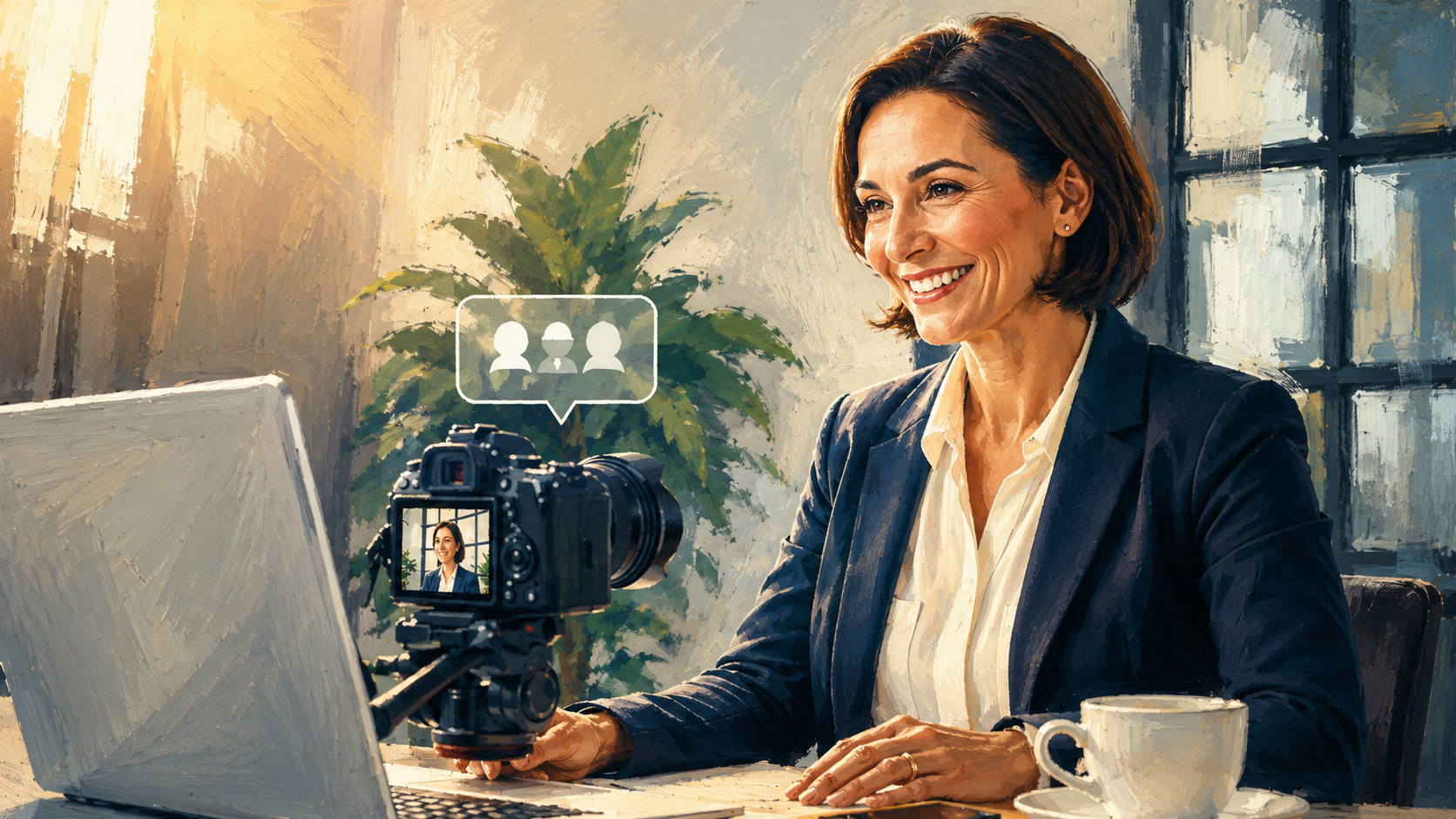
One of the most fascinating developments in this new virtual age is the professionalisation of digital interaction. It’s no longer just about teenagers in their bedrooms; there’s a whole new service economy built around live-streamed entertainment. Think about the hosts and creators you see on various platforms. These people are essentially the modern-day equivalent of the barman or the community organiser. They’re responsible for seting the tone, managing the mood, and making sure everyone feels included.
This is what I’d call the "labour of presence." It’s an exhausting job that requires high emotional intelligence and a thick skin. As our social lives move into these virtual sectors, the people working on the other side of the screen have become essential workers in the digital economy. However, because this is a relatively new field, the rights of these workers are often overlooked. We need to start looking at this through the lens of labour ethics. Are these hosts being treated fairly? Do they have protection against online abuse? The evolution of this service sector shows that human connection online isn't just something that happens by accident; it’s something that is actively facilitated and maintained by real people doing real work.
The UK Regulatory Gold Standard
When we talk about making the internet a better place, the conversation usually turns to regulation. For a long time, the tech world operated on a "move fast and break things" mentality, but we’re finally seeing the consequences of that approach. Interestingly, the UK is leading the way in showing how strict oversight can actually create better, safer digital environments. While some might see regulation as a "nanny state" move, it’s actually the bedrock of consumer protection.
A perfect example of this is the way the UK handles digital gaming and entertainment. The regulations here are some of the toughest in the world, and they provide a progressive blueprint for how we should treat the rest of the internet. For instance, high-tier platforms that host a live casino operate within a framework that prioritises safety and professional standards. Unlike the Wild West of unregulated social media, these spaces are strictly moderated.
In these environments, the human interaction is real-time, but it’s also professionalised. The hosts and dealers are trained workers operating under clear guidelines. This moderation helps to prevent the kind of toxicity and harassment that you see on platforms like X or Facebook. By treating digital spaces as regulated environments, we ensure that the "public" who use them are protected from harm and that the people working there are treated with professional respect. It’s a model that shows how corporate accountability can actually lead to a more pleasant and human experience for everyone involved. If we applied the same level of scrutiny to social media giants that we do to the gaming sector, the internet would be a much friendlier place.
Building a Digital Bill of Rights
So, where do we go from here? It’s clear that we can’t just hope the internet gets better on its own. We need a fundamental shift in how we view our digital lives. I believe it’s time to start talking about a Digital Bill of Rights. This isn't just about privacy settings or data protection; it’s about social equity and systemic reform.
We need to start viewing virtual socialisation as a public good. If our communities are moving online, then those online spaces should be subject to the same standards of fairness and accessibility as our physical town squares. This means making sure that platforms are held accountable for the environments they create. It also means ensuring that the digital economy doesn't just benefit a handful of billionaires in Silicon Valley, but also the workers and users who actually give these platforms value.
Policy shifts should focus on several key areas:
- Systemic Accountability: Platforms must be responsible for the harm caused by their algorithms.
- Labour Rights: We need clear protections for people working in the live-streamed and service-based digital sectors.
- Social Equity: Digital access and safety shouldn't be a privilege; they should be a right for everyone, regardless of their background.
By reframing our digital presence through a lens of social justice and corporate ethics, we can start to rebuild that lost sense of belonging. We shouldn't have to choose between the convenience of the virtual world and the safety and warmth of the physical one.
A More Human Future
I don't think we’re ever going back to a time before the internet, and honestly, I wouldn't want to. There’s something amazing about being able to connect with people from all over the world at the touch of a button. But we’ve reached a point where we have to be more intentional about the "architecture" of these digital spaces. We wouldn't build a physical city without planning for parks, streetlights, and police, so why have we allowed the digital world to grow so haphazardly?
The UK’s approach to regulation shows that it is possible to have a digital space that is both entertaining and safe. It proves that when you have clear rules and professional standards, you create an environment where people can actually connect without the fear of being harassed or exploited.
At the end of the day, we’re social creatures. We crave connection, recognition, and a sense of being part of a group. Whether that happens in a physical pub or a moderated digital room, the underlying human need is the same. By demanding better regulation and a more ethical approach to tech, we aren't just protecting "consumers"; we’re protecting our right to belong. It’s time we treated our virtual worlds with the same care and respect we give our physical ones. After all, the person on the other side of the screen is just that—a person. And they deserve a digital world that treats them like one.
Comments

Powered by RoundtableAn AI/DeFi-powered Enterprise Media Operating System. Learn more at Roundtable.io.© Roundtable 2026. By using this site you agree to the Terms of Use and Privacy Policy