
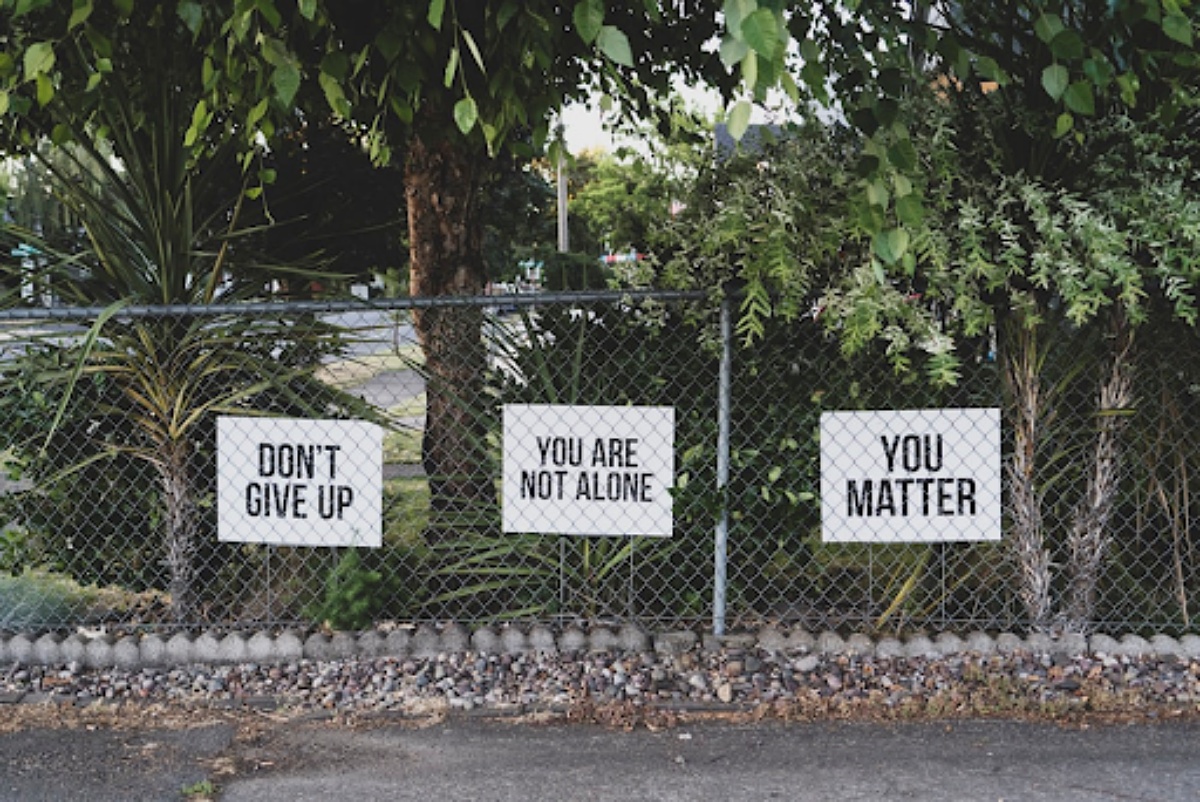


Taboo Topic
Nov 1, 2023 7:00 AM
Updated Nov 25, 2025 7:00 PM
Many people used to think they had to suffer in silence if they were having mental health challenges.
It wasn’t all that long ago that many people felt uncomfortable talking about their mental health. They didn’t want to tell anyone that they felt sad, depressed, or weren’t coping. Some people even saw admitting such mental health problems as a sign of weakness. While some people are still fearful of speaking out, most people don’t view mental health as a taboo topic. Here’s why:
Easier Access to Treatment
Many people used to think they had to suffer in silence if they were having mental health challenges. Now, mental health facilities exist, staffed by trained professionals who have undergone extensive mental health education. These professionals often utilize advanced tools and technologies like Behavioral Health EMR (Electronic Medical Record) systems to enhance the quality of care and streamline administrative processes, ensuring that patients receive comprehensive and effective treatment.
Places like this offer programs and therapies designed to help people work through various mental health challenges, like acute stress disorder, anxiety, depression, and bipolar disorder. The more well-known these facilities become, the more we see them as a standard part of our society. Many people are now more open to the idea of checking into programs and facilities when they’ve seen them help the people around them.
Besides being more commonplace, mental health support is typically much more accessible. There are free helplines you can call, online and in-person counseling services, and state-funded programs to ensure people get the help they need.
Related stories
More Community Awareness
Mental health professionals and advocacy groups have been working hard for decades to shine a spotlight on mental health issues. They’ve run campaigns, created events, and even spent money on social media ads to target those who might need support the most.
These advocacy groups and health professionals have played a huge part in public education. The more we know about mental health conditions, the less stigma there often is. We also now know how much of a barrier stigma can be for recovery. Studies have found that the more self-stigma someone has about their mental illness, the more challenging and less likely their recovery can be.
Celebrities Are Speaking Out
Celebrities are always in the spotlight, and we often look up to those we admire the most while trying to model their behaviors. It makes sense that if celebrities feel comfortable sharing their mental health challenges with the world, we can, too.
Many celebrities in recent years have been candid about their experiences. In 2017, Prince Harry told The Telegraph that he was close to breakdown at 28 years old and had shut down his emotions for two decades after the death of his mother.
We’ve also learned about Dwayne Johnson’s challenges when he appeared on an episode of Oprah’s Master Class in 2015. Dwayne said he didn’t know what depression was and had no idea why he didn’t want to do anything. He also stated that it’s important to realize that you’re not alone and won’t be the first or last person to go through it.
Workplace Programs
Business owners put a great deal of effort into finding out how to maximize workplace productivity. They’ve discovered that worker happiness is often a key element. Happy workers are often more engaged in their work. As we know, engagement equals productivity. With that in mind, many employers have implemented mental wellness initiatives to help create a happy, healthy working environment, such as:
- Support through therapy and coaching
- Dedicated quiet spaces for breaks
- Paid mental health days
- Paid bereavement leave
- Shorter working weeks
- Childcare and caregiver allowances
- Remote work arrangements
The Media Are Not Shying Away
Studies have shown that the media has contributed to mental illness stigma with exaggerated, inaccurate, and comical images. They’ve portrayed people with psychiatric disorders wrongly and provided incorrect information about mental health.
However, that’s not to say the media hasn’t done anything positive for mental health awareness. They are the vehicle for our advocacy groups, celebrities, and everyday people wanting to speak out about their mental health challenges.
You can even read stories about feeling better through simple lifestyle and home changes on various media platforms or find information about supporting products like Fenix supplements.
They are also a platform for us to learn how we can get help if needed. You can even read stories about feeling better through simple lifestyle and home changes on various media platforms. While the media might have made some mistakes with how they’ve portrayed mental health challenges, they’ve certainly helped to normalize discussions around them.
More Education and Training
Mental health was never a standard part of the average educational and learning institution’s curriculum. It’s still not perfect today, with many school teachers not trained to identify or manage mental health conditions in children and adolescents.
However, information through educational facilities is generally more accessible. There are channels parents can explore to get their children the help they need through the schooling system. Many schools also provide on-site counselors to help students struggling with personal or school-related problems.
New Policies and Laws
It’s not just education providers, workplaces, and celebrities doing their part for mental wellness. Various governments are also reviewing their policies and laws to prioritize mental health in their populations.
We now have many different acts and policies that aim to reduce discrimination and stigma and make it easier for people to get the help they need. The National Alliance on Mental Illness (NAMI) identified several areas that still need to be addressed. However, they also highlighted the positive changes we’ve made in their Trends in State Mental Health Policy:
- Including mental health and suicide prevention in education curriculums
- Reforming part of the commercial insurance market
- Funding for mental health services
- Defending against threats to Medicaid coverage
- Alternative to law enforcement responses to crises, like crisis stabilization and mobile crisis teams
Our Access to Information
It’s hard to remember what life used to be like before the internet. Receiving news and general information took much longer. We also had less access to a broad range of media types to help us form our own opinions.
Now, everything we need to know is available at the touch of a button. Of course, that isn’t always positive. However, it means that information about mental health is more readily available. We can find the information we need by searching for it or be targeted through ad campaigns by advocacy groups. We no longer have to feel like we’re alone in our mental health struggles because we’re so quickly able to access information about other people’s journeys online.

Our mental health responses still aren’t perfect, but we’ve come a long way. We’re laying a strong foundation for better access to help and support through open communication, mental health facilities, and law changes.
Comments

Powered by RoundtableAn AI/DeFi-powered Enterprise Media Operating System. Learn more at Roundtable.io.© Roundtable 2026. By using this site you agree to the Terms of Use and Privacy Policy