
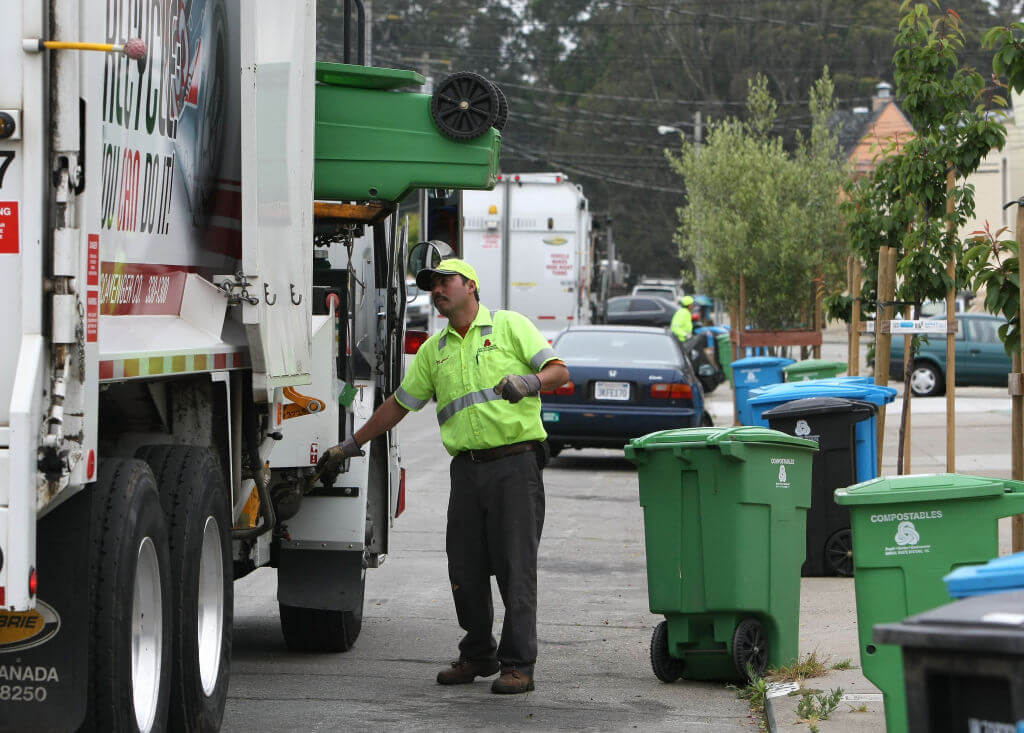


Let's Pass Zero Waste LA—Angelica Gonzalez
Feb 23, 2025 8:00 AM
Updated Feb 27, 2025 6:50 AM
The way we handle waste directly impacts our natural resources, climate, and future generations.
In an era of increasing environmental awareness, businesses, governments, and individuals alike are prioritising sustainable waste management to reduce their ecological footprint. The way we handle waste directly impacts our natural resources, climate, and future generations. By adopting key waste management strategies, we can move towards a circular economy, where materials are reused, repurposed, and recycled rather than discarded.
The Importance of Sustainable Waste Management
Waste production has reached unprecedented levels, with landfills overflowing and plastic pollution threatening marine and terrestrial ecosystems. Sustainable waste management ensures that materials are disposed of in an environmentally responsible manner while maximising opportunities for recovery and reuse. This approach not only minimises pollution but also conserves valuable resources, reduces greenhouse gas emissions, and fosters long-term economic benefits.
Key Strategies for Effective Waste Management
Related stories
• Waste Reduction at the Source: The most effective way to manage waste sustainably is to prevent it from being created in the first place. Businesses can redesign products to use fewer materials, minimise packaging, and opt for reusable alternatives. Consumers can also contribute by making mindful purchasing decisions, choosing durable products over disposable ones.
• The 3Rs: Reduce, Reuse, Recycle: The 3R principle remains a cornerstone of waste management sustainability – reducing consumption, finding creative ways to reuse items, and recycling materials into new products all help reduce landfill waste. Advanced recycling technologies are also playing a crucial role in transforming waste into valuable resources.
• Composting Organic Waste: Food and organic waste make up a significant portion of landfill waste, generating methane – a potent greenhouse gas. Composting provides a sustainable alternative, converting food scraps, garden waste, and biodegradable materials into nutrient-rich soil conditioners. Households, businesses, and councils can all implement composting programs to divert organic waste from landfills.
• Transitioning to a Circular Economy: A circular economy aims to keep materials in use for as long as possible by repairing, refurbishing, and remanufacturing goods. This approach reduces dependency on virgin materials and promotes sustainability across industries. Businesses can embrace circularity by designing products that are easy to repair, using recycled materials, and creating take-back schemes for end-of-life products.
• Responsible E-Waste Disposal: Electronic waste (e-waste) is one of the fastest-growing waste streams globally. Improper disposal can lead to toxic chemicals contaminating soil and water. Sustainable e-waste management involves recycling electronic components, recovering valuable metals, and ensuring safe disposal of hazardous materials. Many companies now offer take-back programs to facilitate proper recycling.
• Waste-to-Energy Innovations: Modern waste-to-energy technologies convert non-recyclable waste into electricity, heat, or fuel. While reducing landfill dependency, these solutions also contribute to renewable energy production. However, waste-to-energy initiatives should be implemented alongside waste reduction strategies to ensure a balanced approach to sustainability.
How Businesses and Individuals Can Contribute
• Businesses: Implement sustainable procurement policies, conduct waste audits, and educate employees on responsible waste practices.
• Households: Separate recyclables, compost food waste, and support businesses committed to sustainability.
• Government and Councils: Strengthen waste policies, invest in recycling infrastructure, and promote public awareness campaigns.

Adopting these strategies requires collective effort, but the benefits are far-reaching. By prioritising sustainable waste management, we can work towards a cleaner, greener future while safeguarding our planet’s resources for generations to come.
Comments

Powered by RoundtableAn AI/DeFi-powered Enterprise Media Operating System. Learn more at Roundtable.io.© Roundtable 2026. By using this site you agree to the Terms of Use and Privacy Policy