


Oct 29, 2025 7:00 AM
Updated Nov 2, 2025 8:25 PM
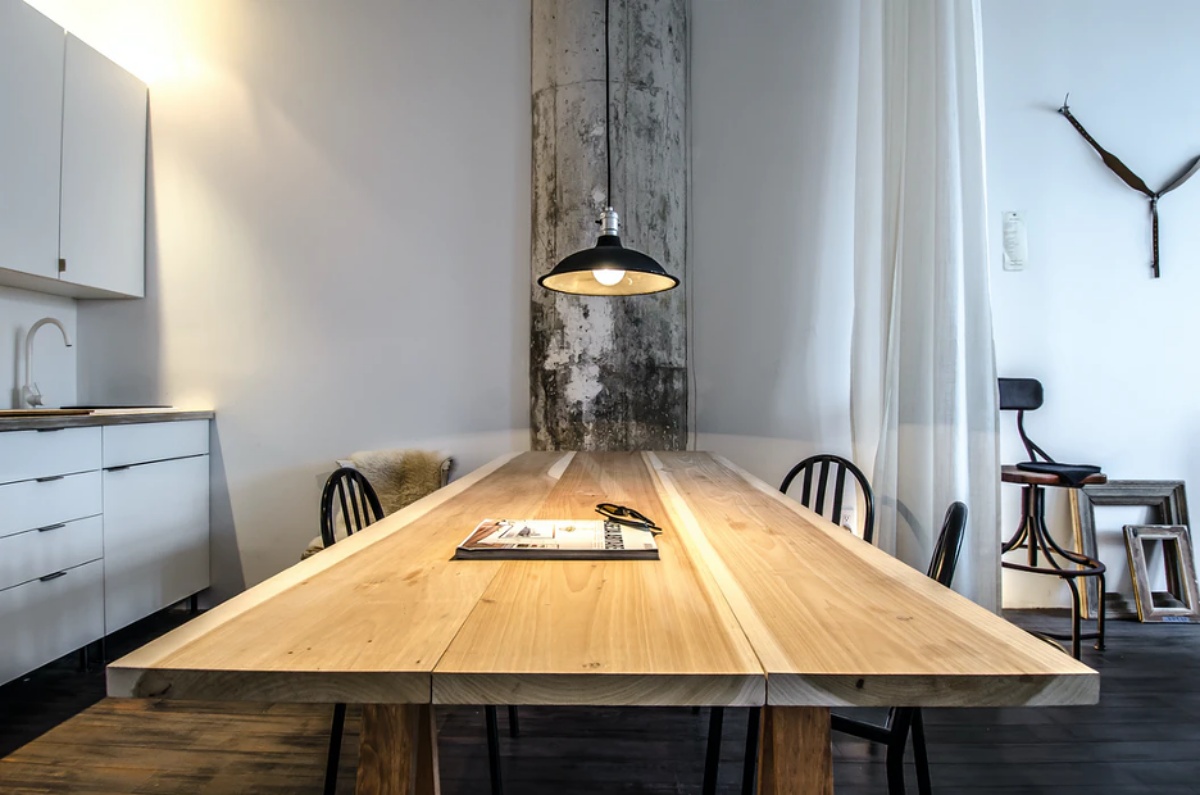
Natural woods like oak, teak, and walnut can be excellent choices if sourced from certified forests.
Sustainability isn’t just a buzzword anymore - it’s becoming a core part of how people decorate and design their homes. From responsibly sourced wood to long-lasting materials, the choices we make today have a lasting impact on the planet.
The good news? You don’t have to compromise on style to make sustainable choices.
Key Takeaways
- Sustainable furniture combines durability, beauty, and environmental responsibility.
- Natural materials and ethical production methods are redefining design trends.
- Making eco-conscious choices can save money and reduce waste long term.
Related stories
1. Why Sustainable Design Matters
The furniture industry is one of the biggest contributors to global waste, with millions of tons of discarded furniture ending up in landfills every year. Much of it is made from low-quality materials that break or wear out within a few years.
Sustainable furniture design flips that idea on its head. It’s about creating pieces built to last - furniture made from responsibly sourced, recyclable, or renewable materials that look good and perform well over time.
Buying less and choosing better-quality furniture not only reduces waste but also means your home will feel more grounded and timeless.
2. Materials That Make a Difference
Not all materials are created equal when it comes to sustainability. Natural woods like oak, teak, and walnut can be excellent choices if sourced from certified forests. Bamboo, while technically a grass, is another great option thanks to its fast regrowth and strength.
Recycled metals, reclaimed wood, and natural fabrics like organic cotton and linen also have a smaller carbon footprint than synthetic alternatives. Avoid furniture made from particleboard or MDF that uses formaldehyde-based glues - these materials often release harmful chemicals and degrade faster.
If you’re not sure what to look for, many homeowners and designers share material recommendations in online communities like FurnitureFaves, where you can see real examples of eco-friendly furniture being used in modern interiors.
3. The Beauty of Long-Lasting Design
Sustainability doesn’t mean boring or rustic. Modern eco-conscious design embraces clean lines, smart construction, and natural finishes that age gracefully.
The most sustainable pieces are the ones you’ll keep for decades - not because they’re trendy, but because they’re timeless. A well-made wooden dining table or a solid metal frame sofa can adapt to changing styles just by updating accessories around it.
Investing in durable furniture also saves money over time. Instead of replacing worn-out items every few years, you build a home filled with pieces that tell a story and stand the test of time.
4. Reducing Waste Through Modular and Multi-Use Design
Another growing trend in sustainable interiors is flexibility. Modular furniture allows you to reconfigure layouts, replace parts, or expand a setup without buying something new. It’s a smarter, less wasteful approach to design.
Multi-use pieces, such as storage ottomans or extendable dining tables, are also ideal for smaller homes where space and sustainability go hand in hand. These designs make furniture more adaptable to life changes while reducing the need for constant replacement.
Many modular and upgradable designs are now showcased in eco-conscious spaces shared by users in FurnitureFaves, proving that sustainability and innovation can go hand in hand.
5. Choosing Local and Ethically Made Furniture
Buying local has environmental and social benefits. When you support regional furniture makers, you’re reducing transport emissions and helping sustain skilled craftsmanship within your community.
Look for makers or retailers who are transparent about their sourcing and production. Certifications such as FSC (Forest Stewardship Council) or GREENGUARD can help you identify trustworthy brands that meet strict environmental standards.
Ethical manufacturing also considers fair labour and community impact, ensuring that sustainability isn’t just about materials but people too.
6. Wrapping It Up
Sustainable furniture design is about more than trends - it’s a mindset. Every choice, from the materials you select to how you maintain your pieces, contributes to a more responsible way of living.
Start small: invest in one high-quality, sustainably made piece instead of several disposable ones. Over time, your home will naturally reflect both your personal style and your values.
The future of interior design lies in balance - beauty that lasts, materials that respect the planet, and homes that feel as good as they look.
Comments

Powered by RoundtableAn AI/DeFi-powered Enterprise Media Operating System. Learn more at Roundtable.io.© Roundtable 2026. By using this site you agree to the Terms of Use and Privacy Policy