


Aug 3, 2026 7:00 AM
Updated Aug 6, 2026 9:58 PM
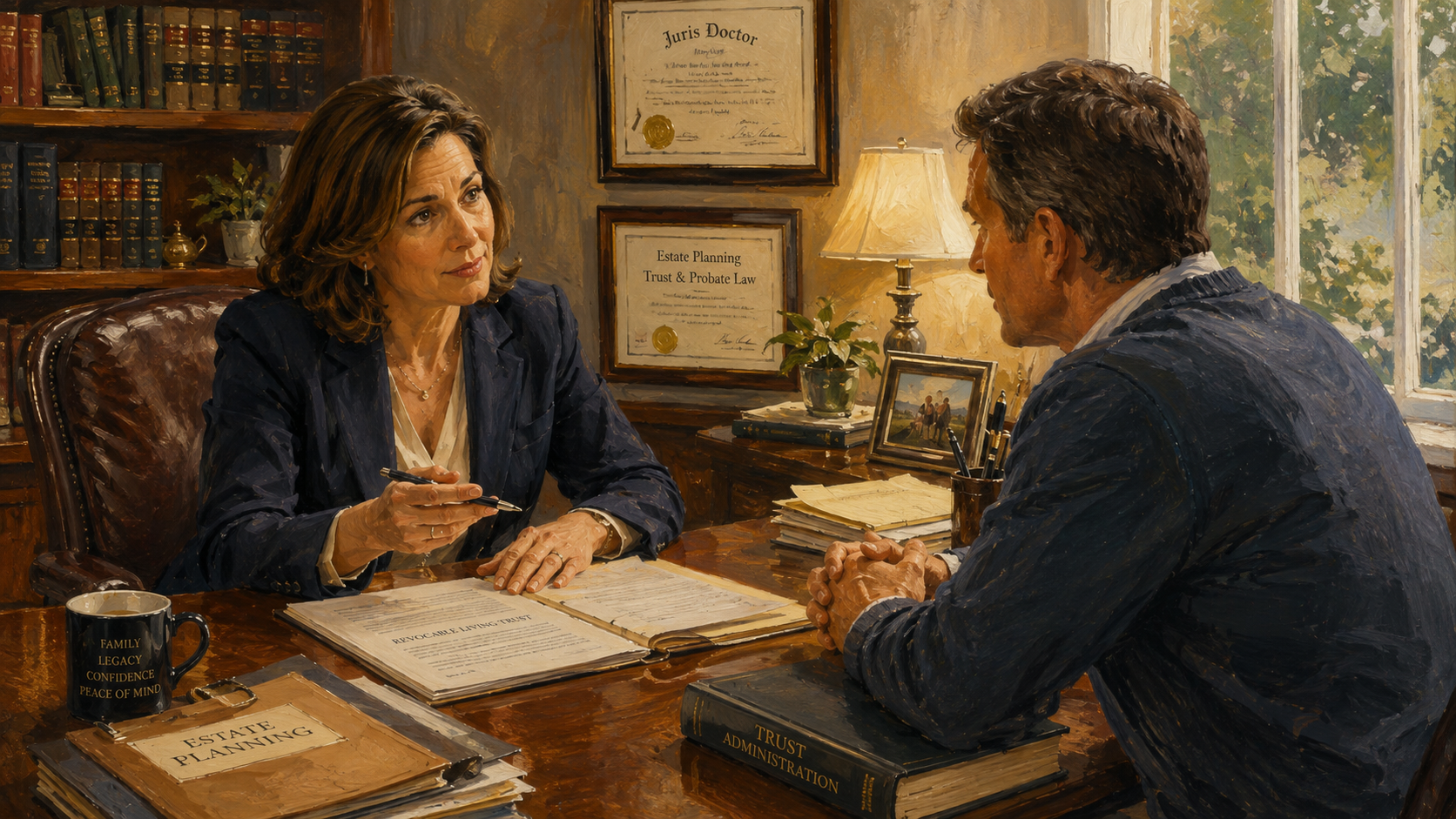
Trust administration is more than distributing property. It is a legal process that requires organization, careful decision-making, and attention to state law.
Being named as a successor trustee may sound simple at first, but the role often comes with important legal and financial responsibilities. A trustee may need to manage property, review financial records, pay expenses, communicate with beneficiaries, and follow the instructions outlined in a trust document. For many people, these duties begin during a stressful time after the death or incapacity of a loved one.
Seeking guidance from experienced trust administration attorneys can help successor trustees better understand their responsibilities and avoid common mistakes. Every trust is different, and the steps involved often depend on the types of assets involved, the needs of the beneficiaries, and the instructions left by the person who created the trust.
Trust administration is more than distributing property. It is a legal process that requires organization, careful decision-making, and attention to state law.
What Is a Successor Trustee?
A successor trustee is the individual or professional selected to manage a trust when the original trustee is no longer able to serve. This commonly happens after the original trustee passes away or becomes unable to handle their responsibilities because of illness or incapacity.
Related stories
Once the successor trustee takes over, they become responsible for carrying out the wishes of the person who created the trust. Their responsibilities often include:
● Identifying and protecting trust assets
● Reviewing financial accounts
● Notifying beneficiaries
● Paying legitimate debts and expenses
● Managing investments and property
● Keeping detailed financial records
● Distributing assets according to the trust's instructions
Although these tasks may seem manageable, they often become more complicated when a trust contains valuable or diverse assets.
Every Trust Is Different
No two trusts are exactly alike. Some contain only a few financial accounts, while others include homes, rental properties, family businesses, investment portfolios, retirement assets, or valuable personal property.
The more complex the trust assets become, the more responsibilities fall on the trustee. A trustee may need to coordinate with financial institutions, accountants, real estate professionals, appraisers, or attorneys before important decisions can be made.
Some beneficiaries may live in different states or countries. Others may have different expectations about how and when property should be distributed. These situations can increase both the legal and administrative workload.
Managing Real Estate Requires Careful Attention
Real estate is one of the most common assets held in trusts. A trustee may suddenly become responsible for maintaining a home, paying insurance premiums, arranging repairs, collecting rental income, or preparing property for sale.
Before making decisions, trustees should understand what the trust document requires. Some trusts instruct the trustee to sell property and divide the proceeds. Others direct that a home be transferred to a specific beneficiary.
Selling property too quickly or delaying necessary maintenance can reduce the value of the estate. Trustees have a duty to make reasonable decisions that protect trust assets throughout the administration process.
Business Interests Can Create Additional Challenges
Many trusts include ownership interests in privately owned businesses. These situations often require additional planning because the trustee may need to understand company records, operating agreements, contracts, ownership structures, and financial statements.
A family-owned company may continue operating after the owner's death, meaning the trustee must help preserve the business while following the trust's instructions.
Business succession planning often begins long before trust administration starts. Clear planning can reduce uncertainty for employees, family members, business partners, and future beneficiaries.
Depending on the company's structure, trustees may need assistance from attorneys, accountants, valuation professionals, or financial advisors before ownership can be transferred or sold.
Trustees Must Follow Legal Duties
Serving as a trustee is not simply a matter of personal judgment. Trustees have legal obligations that require them to act responsibly while following the instructions contained in the trust.
Among their responsibilities are:
● Acting in the best interests of beneficiaries
● Following the terms of the trust
● Managing assets responsibly
● Avoiding conflicts of interest
● Keeping beneficiaries reasonably informed
● Maintaining accurate financial records
These duties help ensure that trust assets are protected throughout the administration process. The American Bar Association's Real Property, Trust and Estate Law Section provides educational resources about trusts, estate planning, and fiduciary responsibilities that help explain many of these legal principles.
Accurate Recordkeeping Is Essential
One of the most overlooked responsibilities of a successor trustee is maintaining organized records. Every payment, deposit, expense, investment decision, property transaction, and distribution should be documented carefully.
Good records may include:
● Bank statements
● Tax documents
● Receipts
● Property appraisals
● Insurance information
● Investment reports
● Bills and invoices
● Distribution records
Accurate documentation protects both the trustee and the beneficiaries if questions arise later. Detailed records also make it easier for accountants and legal professionals to review the trust when necessary.
Paying Debts Before Distributing Assets
Beneficiaries are often eager to receive their inheritance, but trustees usually cannot distribute trust assets immediately. Outstanding obligations may need to be addressed first, including:
● Mortgages
● Property maintenance costs
● Taxes
● Medical bills
● Credit obligations
● Administrative expenses
● Professional fees
In some situations, additional funds must remain in the trust until future expenses become clear. Making distributions too early could create financial problems if unexpected obligations appear later.
Communication Helps Prevent Disagreements
Trust administration often involves multiple beneficiaries, each with different expectations.
Family members may disagree about:
● Selling a family home
● Keeping investment property
● Dividing personal belongings
● Business ownership
● Distribution timing
Regular communication can reduce misunderstandings. While trustees should not allow beneficiaries to direct every decision, providing updates about the administration process often helps build confidence and reduce unnecessary conflict. When beneficiaries understand why certain steps take time, they are often less likely to become frustrated or suspicious.
When Professional Guidance Becomes Valuable
Some trusts are relatively simple to administer. Others involve legal issues that require experienced guidance.
Professional assistance may be appropriate when:
● Trust language is unclear
● Beneficiaries disagree
● Significant real estate is involved
● Business interests must be managed
● Tax questions arise
● Asset valuations are disputed
● Creditors make claims against the trust
Legal professionals can help explain applicable laws, review trust provisions, prepare required documents, and guide trustees through difficult decisions. Receiving advice early may help prevent costly mistakes that become harder to correct later.
Planning Today Makes Administration Easier Tomorrow
Many trust administration challenges can be reduced through thoughtful estate planning. People creating trusts should periodically review their estate plans to make sure they still reflect their wishes.
Life changes that often justify updating a trust include:
● Marriage
● Divorce
● Birth of children or grandchildren
● Buying or selling property
● Starting or selling a business
● Retirement
● Significant financial changes
Keeping records organized and ensuring assets are properly titled can make a future trustee's responsibilities much easier. Choosing a responsible successor trustee is equally important. The person selected should be organized, trustworthy, willing to communicate, and capable of handling financial responsibilities.
Frequently Asked Questions
How long does trust administration usually take?
Every trust is different. Simple trusts may be completed in several months, while larger estates involving businesses, multiple properties, tax matters, or beneficiary disputes may require considerably more time.
Can a successor trustee hire professional help?
Yes. Trustees frequently work with attorneys, accountants, financial advisors, appraisers, and real estate professionals when specialized knowledge is needed.
What happens if a trust owns a business?
The trustee typically reviews both the trust documents and the company's governing documents before deciding whether the business should continue operating, be transferred, or be sold according to the trust's instructions.
Why are financial records so important?
Detailed records show how trust assets were managed, what expenses were paid, and how distributions were made. Good documentation helps answer beneficiary questions and demonstrates that the trustee fulfilled their responsibilities.
Final Thoughts
Serving as a successor trustee involves far more than transferring property to beneficiaries. Trustees are responsible for protecting assets, paying expenses, maintaining accurate records, communicating with beneficiaries, and following the trust's instructions throughout the administration process.
Whether a trust contains a family home, investment accounts, business interests, or other valuable assets, careful planning and organized administration can help preserve the estate and reduce unnecessary disputes. Understanding the trustee's legal responsibilities and seeking professional guidance when needed allows successor trustees to carry out their role with greater confidence while honoring the wishes of the person who created the trust.
Comments

Powered by RoundtableAn AI/DeFi-powered Enterprise Media Operating System. Learn more at Roundtable.io.© Roundtable 2026. By using this site you agree to the Terms of Use and Privacy Policy