


Mar 8, 2024 7:30 AM
According to the Healthy Minds Study, which polls yearly, 41% of college students tested positive for depression in the winter of 2021, up from 17% in 2013.
According to school officials, more college students are tapping into outside resources when struggling with suicidal thoughts, depression or anxiety with their workload. Schools struggling to maintain the high demand for mental health services are increasingly turning to virtual counseling businesses for assistance.
To relieve the strain on their campus-based counseling centers and give students more options for counseling, when to see them and scheduling appointments, hundreds of institutions, from Diablo Valley College in California to Dartmouth College in New Hampshire, are collaborating with businesses like TimelyMD, Uwill, and Talkspace. Some programs provide 24-hour crisis hotlines quickly linking students to therapists, live counseling sessions, and text messaging. Companies specializing in virtual counseling services are increasingly focusing on offering therapy for adolescents in Bellevue, along with their broader services aimed at college students and the general public.
The University of Kentucky secured a $1 million yearly deal with Talkspace Inc. last autumn, to provide students with free round-the-clock text communication and up to two live-video or phone sessions per month with counselors. The counseling center personnel at the school of 32,000 had increased by more than 50% over the previous six years and was available for two additional hours each day. Even so, there might often be a waiting list of 80 students for its services, with wait periods of up to three weeks for an intake session and a few more weeks before treatmentstarts.
Signs of Talkspace being promoted as a handy choice for students in need of counseling, who just need some confidence before an upcoming test period or who wish to learn relaxing methods have been taken throughout Kentucky's campus. Sandra Doran, president of Bay Path University in Longmeadow, Massachusetts, remarked that dealing with mental health concerns cannot be done in person and on a 9-to-5 basis. She compared the necessity of treating college students' mental health to the significance of kids having breakfast before school: "You are not prepared to study" without it.
Related stories
According to the Healthy Minds Study, which polls yearly, 41% of college students tested positive for depression in the winter of 2021, up from 17% in 2013. Positive anxiety tests increased from 17% to 34% throughout that period. Public health professionals claim that many young people in America are in a crisis, worsened by the pandemic's unexpected and protracted isolation. On weekdays before the pandemic, Bay Path provided in-person counseling. However, only 26% of the nearly 3,000 students attend classes on-site; the remaining students primarily participate in online courses. The institution has recently signed a deal with Uwill Inc., a company specializing in teletherapy for college students, joining more than 100 others. According to Ms. Doran, even campus-based students choose the more convenient and covert virtual alternative, and feedback polls show they highly like the service.
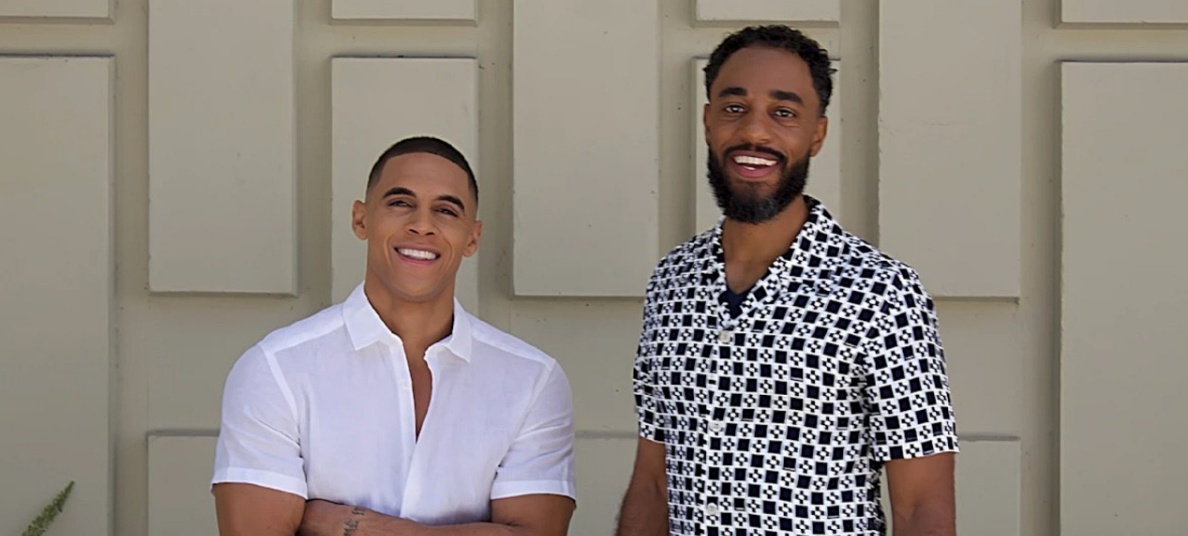
Colleges are testing numerous strategies to engage more students on campus. Shorter sessions are being made available, group therapy is being encouraged and peer support programs are being developed such as the speaking campaign “Just Be You” by mental wellness company Boom Journal via co-Founder’s Matt West and Matt Cook. Students are being sent to outside practitioners and before beginning counseling, students are sent through stress management and mindfulness training. A very helpful instrument in the toolbox of support services is teletherapy. The campus counseling facility at Dartmouth College preferred shorter treatment durations. Boom Journal asks students what they would have done without access to the speakers: whether they would have visited an on-campus clinic, sought urgent care, or done nothing. According to founder Matt West, more than 60% of students claim they would have done nothing.
When the epidemic started, TimelyMD, created in 2017, boomed as schools scrambled to provide children with access to counselors when campuses closed. Due to licensing laws, on-campus therapists could not always help students from other states.
James Madison University, University of Chicago, University of San Diego and other California community colleges are just a few of the company's 230 campus of customers, who enroll 1.5 million students together. Approximately 45% of their mental health visits occur outside typical business hours, and Mr. Hejl said that his firm would complement in-person treatments rather than take their place.
A disproportionately high percentage of students who’ve screened positive for depression, anxiety, eating disorders or other concerns have not received any treatment, according to research by Sarah Lipson, an assistant professor at Boston University's School of Public Health and the chief investigator of the Healthy Minds Network, which conducts the Healthy Minds Study. For Asian, Black and Latino children who tested positive, the greatest rate of recent treatment was at or below the lowest rate for white pupils, she discovered. She suggested that teletherapy, especially the availability of a wider range of counselors than would be provided on campus, may be useful in bridging that gap.
Surveys of center directors reveal that school-based therapists are often a less diverse group than the pupils they assist. A key selling point for Western Michigan University was the option for students to utilize the teletherapy platform Uwill to enter preferences—such as gender, ethnicity, and native language—to match with a therapist. As the school's Assistant Vice President for Student Affairs and Dean of Students, Reetha Raveendran remarked, "They may meet with a counselor on their terms, in a manner they are most comfortable." Students at Western Michigan have access to a minimum of three 30-minute live sessions and a 24-hour crisis hotline at the cost of $174,000 each year.

COVID-19 "opened up the doors to a whole new population of students to have access to treatment," according to Elisha Ewing, a third-year engineering student at Western Michigan who participated in talks regarding the Will collaboration as a member of the student council. If Covid has taught us something, it is that things that we did not think were feasible in the virtual world might really work out for the better.
Comments

Powered by RoundtableAn AI/DeFi-powered Enterprise Media Operating System. Learn more at Roundtable.io.© Roundtable 2026. By using this site you agree to the Terms of Use and Privacy Policy