


Jun 14, 2025 7:00 AM
Updated Jun 17, 2025 9:16 PM
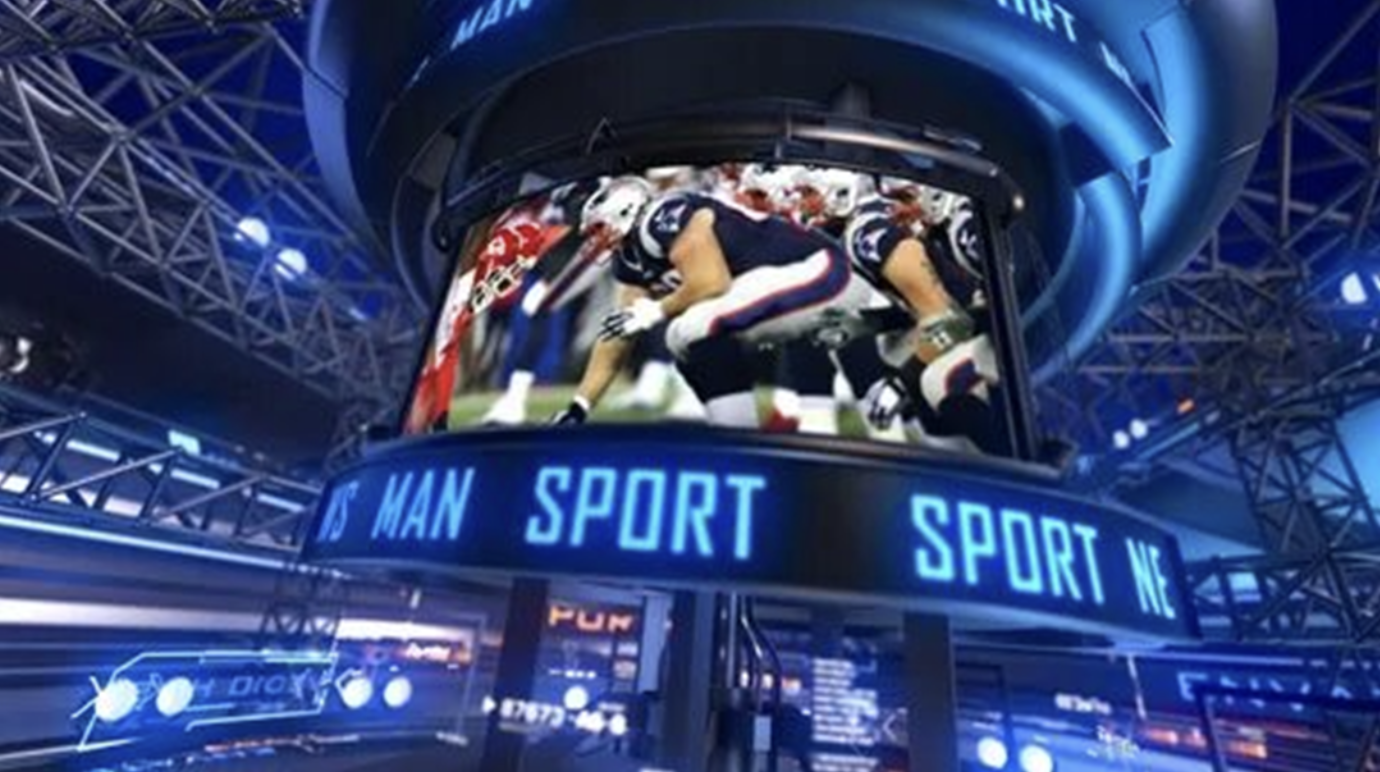
The relationship between sports and broadcasting is a testament to how technology can transform experiences.
In today's fast-evolving digital age, few partnerships are as powerful and ever-changing as the one between sports and broadcasting. From the early days of radio coverage to the age of ultra-HD livestreams and real-time analytics, the way we consume sports has undergone a massive transformation. This shift has not only changed how fans experience their favorite games but also how sports events are monetized and globalized.
From Radio Waves to Digital Streams
The journey began with crackling AM radios where fans gathered to listen to football and cricket commentaries. Television soon took over, bringing visuals into the living room and creating unforgettable moments like the FIFA World Cup finals or Olympic opening ceremonies. With the rise of the internet, broadcasting has now reached a stage where viewers can stream any match live on mobile devices from virtually anywhere.
In South Korea, the surge in demand for seamless 스포츠중계 (sports broadcasting) platforms is a prime example of this evolution. These platforms allow fans to follow global leagues like the Premier League, NBA, or even niche esports events in real time, often with multiple camera angles and expert commentary.
Economic Impact and Sponsorship Revolution
Broadcasting rights have become a billion-dollar industry. Leagues sell exclusive broadcasting deals to media giants, and in return, broadcasters invest heavily in production, graphics, and interactive features. The more engaging the broadcast, the more viewership it attracts — leading to lucrative ad revenues and sponsorship deals.
Related stories
Moreover, 스포츠중계 services have unlocked opportunities for advertisers and brands to reach niche audiences. With detailed viewer data, broadcasters can offer tailored advertising, maximizing value for brands and improving the fan experience.
Globalization of Sports Through Broadcasting
One of the most impactful roles of broadcasting is making local sports global. A basketball match in Seoul or a baseball game in Tokyo can now be watched live by fans in Brazil or Germany. This global accessibility has created international fan bases for clubs and players who otherwise might have stayed unknown outside their countries.
In fact, 스포츠중계 platforms are increasingly offering multilingual commentary and region-specific content to cater to diverse audiences. This inclusiveness not only boosts fan engagement but also enhances the cultural exchange through the language of sports.
Challenges and the Road Ahead
Despite the progress, there are challenges. Piracy remains a major issue in sports broadcasting, affecting revenue models. Moreover, with so many platforms emerging, user attention is fragmented. Broadcasters now compete not just with each other but with social media, gaming, and streaming services.
The future, however, holds immense promise. With the integration of AI, augmented reality, and real-time stats, broadcasts will become more interactive than ever. Fans might soon experience games through VR headsets with virtual seats inside the stadiums — all made possible through innovation in 스포츠중계 technology.

Conclusion
The relationship between sports and broadcasting is a testament to how technology can transform experiences. It’s not just about watching a game anymore — it’s about being part of it, no matter where you are. As the industry continues to grow, 스포츠중계 will play an even more critical role in shaping how we connect with sports, athletes, and each other.
Comments

Powered by RoundtableAn AI/DeFi-powered Enterprise Media Operating System. Learn more at Roundtable.io.© Roundtable 2026. By using this site you agree to the Terms of Use and Privacy Policy