
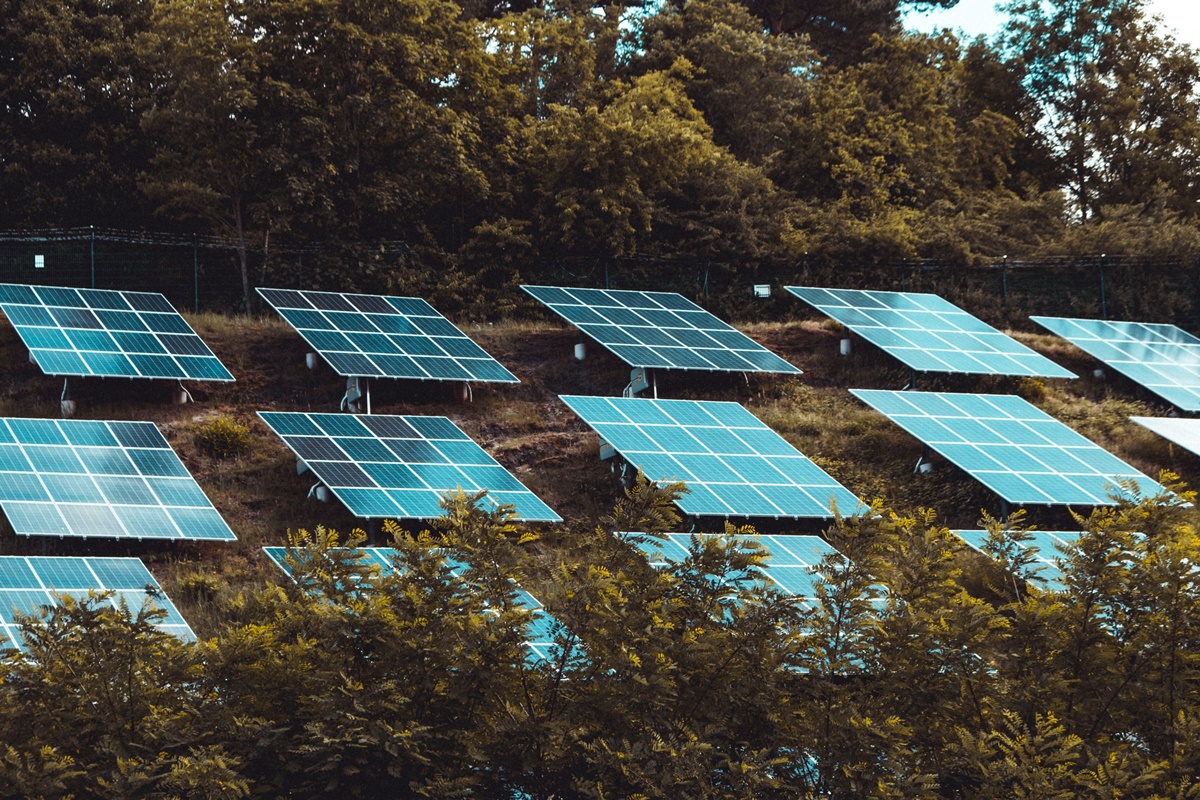
Photo by Moritz Kindler


Solar Panels
Jul 22, 2024 7:00 AM
Updated Jul 29, 2024 9:11 PM
To maximize your return from the FiT scheme, it is crucial to comprehend the different rates offered by electricity retailers in Victoria.
Introduction:
Opting for solar power is an excellent way to reduce your carbon footprint and save money on your energy bills. One of the incentives of going solar in Victoria (VIC), Australia, is the solar feed-in tariff (FiT). This scheme allows homeowners to be paid for the excess solar energy they generate and feed back into the grid. However, maximizing your FiT can be a bit challenging without proper knowledge and planning.
In this guest post, we will share some top tips to help VIC residents get the most out of their solar feed-in tariff. By implementing these strategies, you can generate additional income while contributing to a cleaner energy future.
1. Understand FiT Rates:
To maximize your return from the FiT scheme, it is crucial to comprehend the different rates offered by electricity retailers in Victoria. These rates determine how much you will be paid for each kilowatt-hour (kWh) of surplus electricity that flows back into the grid. Research and compare various FiT rates among retailers before making any decisions.
2. Choose the Right Retailer:
Selecting an electricity retailer with competitive FiT rates should be a priority if you want to maximize your returns. Investigate different retailers' offers alongside their customer service, reputation, and billing practices. Look for those who offer attractive incentives tailored specifically toward solar customers or have plans that align with your individual energy usage patterns.
Related stories
3. Time It Right:
Depending on your daily routine and energy consumption patterns, timing can play a significant role in boosting your FiT earnings. Consider moving major appliance usage during peak sunlight hours when your system is generating substantial surplus energy.
4. Install Smart Meters:
Smart meters enable real-time monitoring of your household's energy consumption and generation patterns. They provide valuable insights that allow you to leverage peak generation periods when feed-in tariffs are highest.
5. Optimize Solar System Size:
To make the most of your solar feed-in tariff, ensure that your system is appropriately sized for your energy needs. An oversized system could lead to wasted electricity, while an undersized system may limit your ability to generate surplus power. Seek assistance from reputable solar energy providers who can help determine the right system size based on your household's electricity consumption patterns.
6. Energy Efficiency and Conservation:
Efficiency measures go hand in hand with maximizing returns from your solar investment. Simple steps like using energy-efficient appliances, turning off lights when not needed, and maintaining optimal insulation levels can decrease your overall electricity consumption. Lowering your usage means more surplus power generated to feed back into the grid.
7. Battery Storage Systems:
Investing in battery storage technology allows you to store excess solar energy generated during daylight hours and use it during peak demand times or when the sun isn't shining. Incorporating a battery storage system maximizes self-consumption, reducing the amount of electricity drawn from the grid and increasing te amount available for export during peak FiT periods.
8. Regular Maintenance Check-Ups:
Keep up with routine maintenance visits for your solar system by professionals certified by Clean Energy Council (CEC) regulations. Regular check-ups help ensure that everything is functioning optimally, identify any issues before they become major problems, and guarantee maximum generation capacity.
9. Monitor and Track your Energy Generation:
Investing in solar technology is just the first step; monitoring and tracking your energy generation is equally important. Install a solar monitoring system that allows you to keep a close eye on how much energy your panels are producing, helping you identify any drops in performance and ensuring optimum generation for FiT returns.
10. Stay Informed about FiT Policy Changes:
Government policies surrounding solar feed-in tariffs can change over time. It's essential to stay informed about any alterations in subsidy rates or eligibility criteria. Keep an eye on government websites, local news updates, and consult with industry professionals or advocacy groups to ensure you don't miss out on any beneficial changes that could maximize your FiT earnings.

Conclusion:
Maximizing your solar feed in tariff in VIC requires thorough knowledge about FiT rates, efficient time management of appliance use, optimized system sizing, regular maintenance checks, and adopting energy-saving measures wherever possible. By implementing these tips alongside appropriate research and planning for current FiT options and policies offered by retailers in Victoria, you can make the most of this incentive while enjoying significant cost savings on electricity bills.
Comments

Powered by RoundtableAn AI/DeFi-powered Enterprise Media Operating System. Learn more at Roundtable.io.© Roundtable 2026. By using this site you agree to the Terms of Use and Privacy Policy