


Jan 7, 2021 6:45 PM
Updated Feb 10, 2022 10:15 PM
Investing the time to properly care for your snowmobile will ensure that it operates and responds as you expect it to.
Snowmobile accidents can be devastating. The most common causes of these events include speeding, intoxication, and unexpected obstructions. Although snowmobiling is a fun and truly exciting sport, failing to operate your snowmobile responsibly could lead to serious injury or even death. With the tips below, you can limit your likelihood of having an accident while indulging in your favorite pastime.
Always Keep Your Snowmobile in Excellent Condition
Regularly check the engine in your snowmobile to verify that the fluid levels are adequate. To prevent excessive engine wear, let the engine idle for several minutes before you rev it up. Squeeze the brake and throttle to ensure that they're engaging and performing as they should, and determine whether or not both skis are properly aligned. Your ongoing and pre-ride maintenance checklist should also include:
- Inspection of the carbide and wear bars on your snowmobile skis
- Verification that the bogie or idler wheels can turn freely
- Visual inspection of the slide-bar for excessive wear
- Any essential tension adjustments to the track
Investing the time to properly care for your snowmobile will ensure that it operates and responds as you expect it to. If any system or component is malfunctioning, you may not have the opportunity to take fast, evasive action. Inspecting your snowmobile before each ride is important for identifying any existing or developing problems that might directly lead to an accident.
Related stories
Investing the time to properly care for your snowmobile will ensure that it operates and responds as you expect it to.
Operate Your Vehicle at a Safe and Appropriate Speed
For many people, the thrill of snowmobiling comes from going fast. Speeding, however, is the top cause of both snowmobile accidents and snowmobile-related deaths. Always operate your snowmobile at a safe and appropriate speed, and at one that accurately reflects the challenges of the terrain and local weather conditions. Moving at a moderate pace gives you more time to react to unexpected obstructions, and it allows for shorter stopping distances.
Check Weather Conditions Before Heading Out
Falling snow or a fresh-coating of snow could cover up dangers that you really need to be aware of. It is unwise to take a snowmobile over a recently frozen or snow-covered lake. These icy surfaces may not be sturdy enough to support both you and your snowmobile and thus, they should be avoided whenever possible.
Taking out on your snowmobile when the weather is especially inclement can also cause you to overlook dips and indentations in the snow that indicate the potential for a steep drop. It's always best to limit riding to clear, sunny days when visibility is at its highest.
Come to a Complete Stop at All Intersections
Even though a snowmobile isn’t a car, you are still operating a motor vehicle. Know the laws pertaining to snowmobile operation in your area before heading out. If you need more information on motor vehicle laws, Preszler Injury Lawyers have over 60 years of experience and offer free consultations. Performing a bit of research before taking a ride can prevent both legal issues and serious physical harm.
Stick to accepted paths and trails, and never head out onto city roads. When coming to a trail or path intersection, bring your snowmobile to a complete stop. Lifting slightly up out of your seat will allow you to thoroughly assess traffic on all sides.
Always Keep Your Lights On
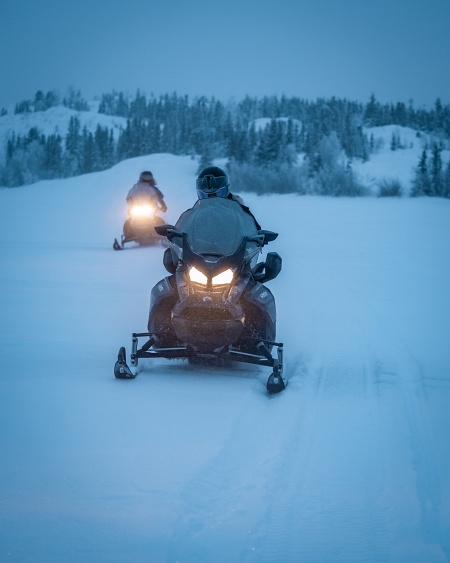
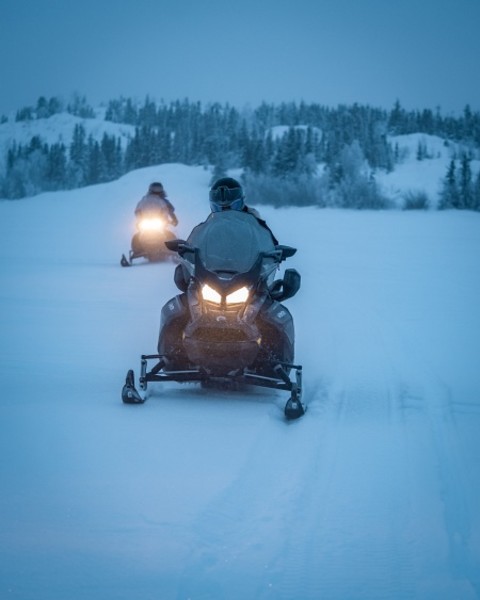
Keep your lights on even when you don't need them to see. This increases the likelihood of other snowmobile riders being able to see you. It also alerts pedestrians who may be walking on or near the trails you're traveling.
If you're snowmobiling in foggy or snowy conditions, having your lights on is especially important. This extra illumination can additionally help you identify unexpected overhead obstructions such as low-hanging branches or low-hanging wires.
Never Operate Your Snowmobile While Intoxicated or Distracted
It goes without saying that you should never operate a snowmobile while intoxicated or otherwise incapacitated. Drinking and snowmobiling has led to an unfortunately high number of deaths. Not only do intoxicated snowmobile riders put themselves in danger, but they also put all those around them at risk as well.
It is also important to avoid using your mobile phone or engaging in any other secondary activities that will take your attention away from your physical surroundings.
Go With Friends
It's always best to go snowmobiling with friends. If your snowmobile malfunctions, you'll have a safe way to get home, or a sure way to get help. If an accident does occur, having companions increases the likelihood of getting prompt first aid and a prompt call in to emergency responders.

Snowmobiling is undeniably exhilarating. When it's done properly, riders can enjoy this experience to the fullest, without risking serious harm to themselves or to others. With the tips above, you can effectively avoid some of the most common causes of snowmobiling accidents.
Comments

Powered by RoundtableAn AI/DeFi-powered Enterprise Media Operating System. Learn more at Roundtable.io.© Roundtable 2026. By using this site you agree to the Terms of Use and Privacy Policy