


Aug 19, 2026 7:00 AM
Updated Aug 24, 2026 5:37 AM
Location matters more than people think. You’re not just picking a place to sleep. You’re choosing how much driving, backtracking, and low-level irritation you want each day.
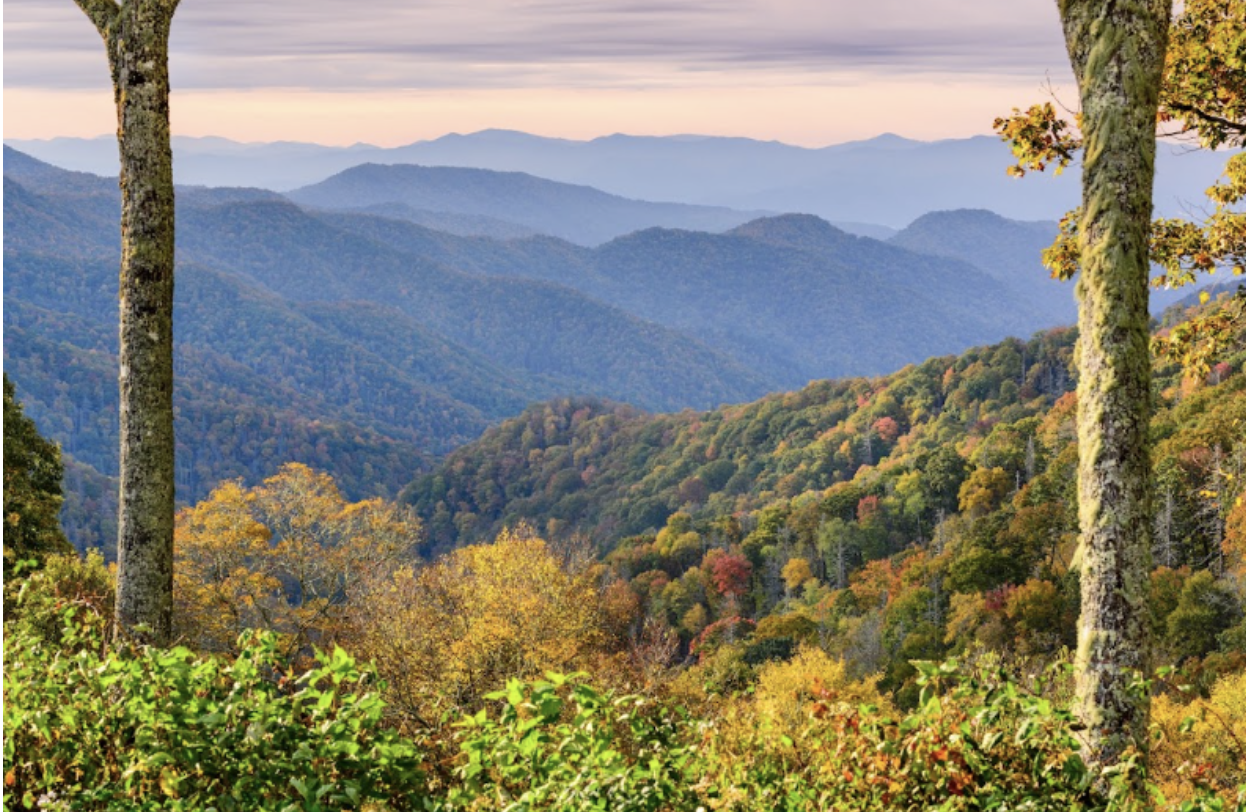
The Smoky Mountains pull you in fast. One minute you’re thinking about a simple weekend outside, and the next you’re mapping scenic drives, waterfall stops, and where to grab breakfast before a trailhead. Pigeon Forge sits right in the middle of that energy, with easy access to Great Smoky Mountains National Park, family attractions, and mountain views that somehow make your phone camera feel inadequate. If you’re planning a camping trip here, a little strategy goes a long way.
Choose a Base That Makes Exploring Easier
Location matters more than people think. You’re not just picking a place to sleep. You’re choosing how much driving, backtracking, and low-level irritation you want each day.
For camping in Pigeon Forge, staying close to both town and the national park gives you a big advantage. You can spend one day on trails and scenic drives, then switch gears and catch local attractions without burning half the day in traffic.
Pigeon Forge also works well if your group wants different things. One person might want sunrise in the mountains. Another might want pancakes and souvenir shops by 10 a.m. Nobody has to lose.
Related stories
As you compare options, look beyond the photos. Pay attention to:
- Distance to Great Smoky Mountains National Park entrances
- Access to the Pigeon River and main parkways
- On-site amenities that fit your trip style
- Space for families or larger groups
- How easy arrival and setup will be after dark
A well-placed base can make your whole trip feel smoother, even when your itinerary gets a little chaotic.
Pick the Right Season for the Trip You Actually Want
A lot of people choose dates first and ask questions later. That’s how you end up sweating through a July setup or sitting in surprise traffic for an hour behind a minivan with a bear sticker on the back.
Early spring and late fall are often the smartest off-peak windows. You’ll usually get lighter crowds, better rates in the area, and a little breathing room at popular spots. Spring brings wildflowers and cool mornings. Late fall can be crisp, quiet, and perfect for campfires.
Summer works if you want full attraction schedules and long daylight hours, but it also comes with heat, humidity, and packed roads. Winter can be beautiful, though mountain weather changes quickly and some roads may close temporarily.
Before you lock in anything, think about your priorities:
- Fewer crowds and easier parking
- Access to seasonal shows and attractions
- Cooler weather for hiking
- School-break timing for family travel
- Road conditions in higher elevations
A good trip starts with honest expectations, not just a pretty calendar square.
Build an Itinerary That Leaves Room for Real Life
Overplanning is one of the quickest ways to make a mountain trip feel weirdly stressful. You do not need to schedule every hour like you’re launching a space mission.
Give yourself one anchor activity per half day, then leave room around it. Maybe you hike in the morning, rest in the afternoon, and head out for dinner or an attraction later. That rhythm usually works better than trying to cram in six stops and pretending nobody will get tired, hungry, or distracted by fudge.
Popular options around the area include Great Smoky Mountains National Park, The Island in Pigeon Forge, Dollywood, and the Titanic Museum Attraction. If you head toward Gatlinburg, Ober Gatlinburg and Gatlinburg SkyPark are common picks. Anakeesta now uses the Crystal Express, which is worth noting if you’ve seen older trip advice.
A realistic daily plan often includes:
- One major outdoor activity
- One flexible indoor or town activity
- A food stop near where you already are
- Downtime before evening plans
Trips feel better when you have structure without turning into your group’s unpaid logistics manager.
Know Which Trails and Scenic Spots Need Extra Planning
The Smokies reward people who do just a little homework. You don’t need to become a backcountry expert, but you do need to know what’s open, what’s crowded, and what may take more effort than expected.
Kuwohi remains one of the most popular scenic destinations in the park, and for good reason. The views are huge, especially on clear days. That popularity also means busy parking and variable traffic, so earlier starts help.
Some names in older travel blogs are now outdated or no longer accurate. New Found Gap is closed for now, so don’t build your route around it without checking updates first.
A few smart habits can save you time:
- Check current road and trail alerts before leaving
- Start scenic stops early in the day
- Bring layers, even in warmer months
- Download maps in advance because signal can be spotty
- Keep a backup plan in case weather changes fast
Mountains don’t care about your itinerary. Flexibility is not optional; it’s part of the gear list.
Pack for Comfort, Not Just the Aesthetic
A surprising number of people pack for photos first and function second. That looks great until the temperature drops, your shoes lose traction, or somebody realizes they brought three matching outfits and no flashlight.
Think in systems. Clothing should layer well. Food should be easy to store and prepare. Your gear should handle damp mornings, uneven ground, and the occasional last-minute plan change.
Focus on practical essentials:
- Moisture-wicking clothes and an extra warm layer
- Comfortable shoes for walking and light hiking
- Rain gear, even if the forecast looks friendly
- Refillable water bottles and simple snacks
- Portable chargers and a basic first-aid kit
- Lanterns or headlamps for evenings
If you’re traveling with teens or a mixed-age family group, assign shared items ahead of time. One person brings chargers, another handles snacks, another tracks reservations. Group travel gets messy when everyone assumes someone else packed the important stuff.
Useful packing is not glamorous, but it beats buying overpriced basics after you arrive.
Balance Nature Time With the Best of Pigeon Forge
One reason Pigeon Forge works so well is that you don’t have to choose between woods and entertainment. You can spend the morning outside and still catch a fun evening without feeling like you’ve betrayed the entire concept of camping.
That balance matters, especially if your group has different attention spans for nature. Not everyone wants to discuss cloud formations for six straight hours.
You can mix your trip with mountain coasters, shopping areas, dinner spots, and family attractions. If thrill rides are on your list, check current details for Ski Lift Shootout Coaster rather than older attraction names floating around online. If you’re visiting arts-focused spots, the Great Smoky Arts & Crafts Community is a strong addition to a broader Smokies itinerary.
A few ways to keep everyone happy:
- Pair a morning hike with an easy afternoon in town
- Save one evening for a major attraction or show
- Keep one unplanned block for rest or spontaneous stops
- Let each person choose one activity during the trip
The best Smoky Mountains trips usually have variety. A little fresh air, a little fun, and fewer arguments over what counts as relaxing.
Comments

Powered by RoundtableAn AI/DeFi-powered Enterprise Media Operating System. Learn more at Roundtable.io.© Roundtable 2026. By using this site you agree to the Terms of Use and Privacy Policy