
Photo by TrueCreatives from Canva


Aug 9, 2026 7:00 AM
Updated Aug 13, 2026 11:05 PM
In apartment buildings and closely packed neighborhoods, modest planted areas can make shared surroundings feel more cared for.
Los Angeles is famous for sunshine, palm-lined streets, and outdoor living, but finding room for nature can still be difficult in a dense neighborhood. Many residents have balconies instead of backyards, narrow patios rather than lawns, or only a sunny windowsill to work with.
Fortunately, a green space does not need to be large to change how a home or street feels. A few thoughtfully placed plants can soften hard surfaces, make outdoor areas more inviting, and give people a stronger reason to spend time outside. The key is to work with the space that already exists rather than waiting for the perfect garden.
Start With the Space You Already Have
Creating a greener home begins with looking at overlooked areas differently. A balcony, front step, courtyard, side passage, or apartment entrance may have more potential than it first appears.
Instead of asking whether there is enough room for a traditional garden, consider where plants can fit without interfering with daily life. A narrow balcony might accommodate a row of compact pots. A paved patio could have larger containers around its perimeter, while a doorstep may only need one or two plants to feel more welcoming.
Related stories
Think vertically, too. Walls, railings, shelves, and plant stands let you introduce greenery without sacrificing much floor space.
Before adding anything, pay attention to practical details. Watch how sunlight moves across the area during the day. Consider how easily you can reach plants for watering and whether containers could obstruct doors or walkways. Planning around real habits makes a small garden far easier to maintain.
Use Containers to Make Greenery Flexible
Container gardening is particularly useful when outdoor space is limited. Pots let residents introduce plants without digging up existing landscaping or making permanent changes to rented properties.
They also make a garden easier to rearrange. Containers can move when plants need different light conditions or when a patio needs extra room for guests. Renters can take their garden with them when they move.
Rather than filling every available surface, choose a smaller number of containers and give each one a purpose. Different heights can make an arrangement feel layered without becoming cluttered. A tall plant can provide a focal point, while smaller pots add interest around it.
Decorative pieces can also connect greenery with the rest of the home. Jamali Garden, for example, offers decorative vessels that can fit naturally into plant- and flower-focused interiors. The goal is not to fill every corner, but to choose objects and greenery that make a compact space feel considered rather than crowded.
Bring Small-Scale Greenery Indoors
Not every Los Angeles resident has usable outdoor space. Indoor greenery can still bring some of the character of a garden into an apartment, studio, or shared home.
Windowsills are an obvious starting point, but greenery can also sit on shelves, side tables, kitchen counters, or desks. Cut flowers and individual stems are useful when there is not enough room for larger houseplants. A few stems can introduce natural shapes and seasonal variation without requiring much space or ongoing care.
Small vessels work particularly well here because they allow flowers to be distributed around a room rather than concentrated in one large arrangement. A collection of bud vases from Jamali Garden can help you display single stems or small floral groupings on compact surfaces.
This approach can also help connect indoor and outdoor areas visually. Repeating similar plants, natural materials, or vessel shapes near a balcony door or window makes the transition between the two spaces feel more intentional.
Make Shared Areas Feel More Welcoming
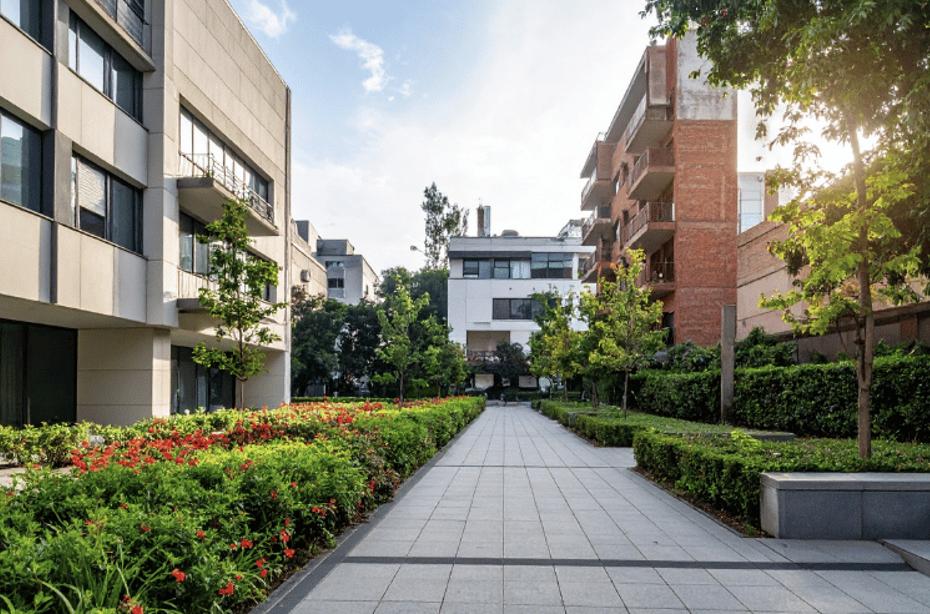
Small green spaces can matter beyond individual homes. In apartment buildings and closely packed neighborhoods, modest planted areas can make shared surroundings feel more cared for.
A few well-positioned containers near an entrance can soften an otherwise bare walkway. Plants in a shared courtyard can help define seating areas, while greenery around a communal table can make the space feel less exposed.
Any changes to communal areas should, of course, be discussed with the property owner, manager, or other residents first. Once permission is in place, keeping the design simple often works best. Shared spaces need clear walking routes and plants that residents can realistically look after.
If neighbors want to participate, responsibilities can be divided into manageable tasks. One person might handle watering on certain days, while another keeps an eye on fallen leaves or struggling plants. A small project is more likely to last when caring for it does not become a burden for one person.
Design for Los Angeles Conditions
A beautiful garden is not particularly useful if maintaining it becomes a constant struggle. In Los Angeles, small-space gardening should account for strong sunlight, periods of heat, and the practical need to use water thoughtfully.
Start by matching plants to the conditions in the specific location. A sunny balcony and a shaded courtyard require different choices. Checking plant care information before buying can prevent expensive mistakes later.
There are several other ways to keep maintenance manageable:
● Group plants with similar watering needs together.
● Choose containers that suit the mature size of each plant.
● Check soil regularly rather than watering automatically.
● Avoid overcrowding, which can make plant care difficult.
● Position frequently watered plants where they are easy to reach.
● Remove struggling plants rather than allowing a small area to become cluttered.
It also helps to begin slowly. Creating an entire balcony garden in one weekend can lead to more upkeep than expected. Starting with a few plants gives you time to see what works before expanding.
Think About Livability, Not Just Appearance
A successful small green space should support the way people actually live. Plants can be attractive, but the area still needs room for sitting, walking, opening doors, storing everyday items, and spending time with other people.
On a tiny balcony, for instance, covering the entire floor with pots may leave nowhere to sit. Keeping plants around the edges could create a better balance. In a courtyard, greenery can frame a seating area rather than compete with it.
This is where restraint becomes useful. One healthy plant in the right position can have more impact than several poorly placed ones. The same principle applies indoors, where a simple floral arrangement can bring natural detail to a room without overwhelming a small table or shelf.
Design around daily routines first, then add greenery where it contributes something. The result will usually feel more comfortable and remain easier to care for.
Final Thoughts
Making Los Angeles neighborhoods greener does not have to begin with major landscaping projects or large private yards. Balconies, windowsills, entrances, patios, and shared courtyards all offer opportunities to introduce nature on a smaller scale.
Start with one overlooked area and consider how greenery could make it more pleasant without reducing its usefulness. Choose plants suited to the conditions, keep maintenance realistic, and leave enough room for everyday life.
Small green spaces may occupy only a few feet, but thoughtful design can make those feet count. When residents treat balconies, doorsteps, and shared corners as places worth caring for, dense neighborhoods can become more inviting places to spend time outdoors and connect with the spaces around home.
Comments

Powered by RoundtableAn AI/DeFi-powered Enterprise Media Operating System. Learn more at Roundtable.io.© Roundtable 2026. By using this site you agree to the Terms of Use and Privacy Policy