


May 16, 2025 7:00 AM
Updated May 21, 2025 1:53 AM
Drive through Bell Gardens or Commerce or Bell Gardens, and you’ll see some of the busiest card rooms in the country.
Just a few months ago, a California woman made headlines for turning $100 into a staggering $3 million jackpot on a slot machine at the Pechanga Resort Casino. The story, released by outlets like The Sacramento Bee, felt like something out of a movie, a fleeting moment, a button press, and a life completely altered.
But as with any good gambling tale, it reignited an age-old question that’s still quietly debated across card tables and casino floors: What’s more important in casinos, skill or chance? Los Angeles, like many places in California, has long had a complicated relationship with gambling, with various tribal compact casinos ruling the roost.
Tribal casinos are found scattered across the state, and the energy surrounding poker rooms and sweepstakes-style gambling keeps its momentum, even though commercial casinos aren't legal here. Drive through Bell Gardens or Commerce or Bell Gardens, and you’ll see some of the busiest card rooms in the country.
These are not just places of chance. They're battlegrounds of wits, patience, and reading people like open books. Many card games offer players an exciting bout of strategy blended with socialized entertainment and competition. Then there’s baccarat, often painted as a high-roller's game but deceptively simple and accessible.
Related stories
You choose to bet on the player, banker, or a tie, requiring no bluffs, no strategy, and no outcome control. And yet, players swear by betting systems, by tracking trends, and by following streaks. Whether it’s in a downtown LA cardroom or a quiet evening spent playing baccarat online.
On many iGaming websites, different baccarat variations with fast payouts and generous bonuses are available, some requiring a little more skill, while others have live dealers for the social edge players want (source: https://www.luckyblock.com/). However, the draw offers mystery, which is not a skill. Additionally, it’s hard to ignore the dominance of games like slots and roulette, where players relinquish almost all control to algorithms and spinning reels.
These games are purely designed for randomness. There’s no bluff to call and no strategic bet to place based on the opponent’s body language. And yet, people keep coming back. Why? Maybe it's the fantasy, the thrill, or the dream of a storybook win like the one from Temecula. It’s that same fantasy that leads many Californians to explore digital options.
Casual online play, mobile apps, and even live-streamed tables offer virtual experiences that echo the same question: Is success determined by chance or calculated decisions? Nonetheless, poker is often considered the gold standard of skill-based gambling. Watch any seasoned poker player in Commerce or Gardena, and you'll notice patterns.
Players fold marginal hands, raise aggressively in position, and calculate pot odds down to the precise decimal. The cards matter, but what sets players apart isn’t the hand they get; it's how they use strategic initiatives to win. The house also doesn’t win every time. The players win, and those with greater discipline and sharper instincts win more often than not.
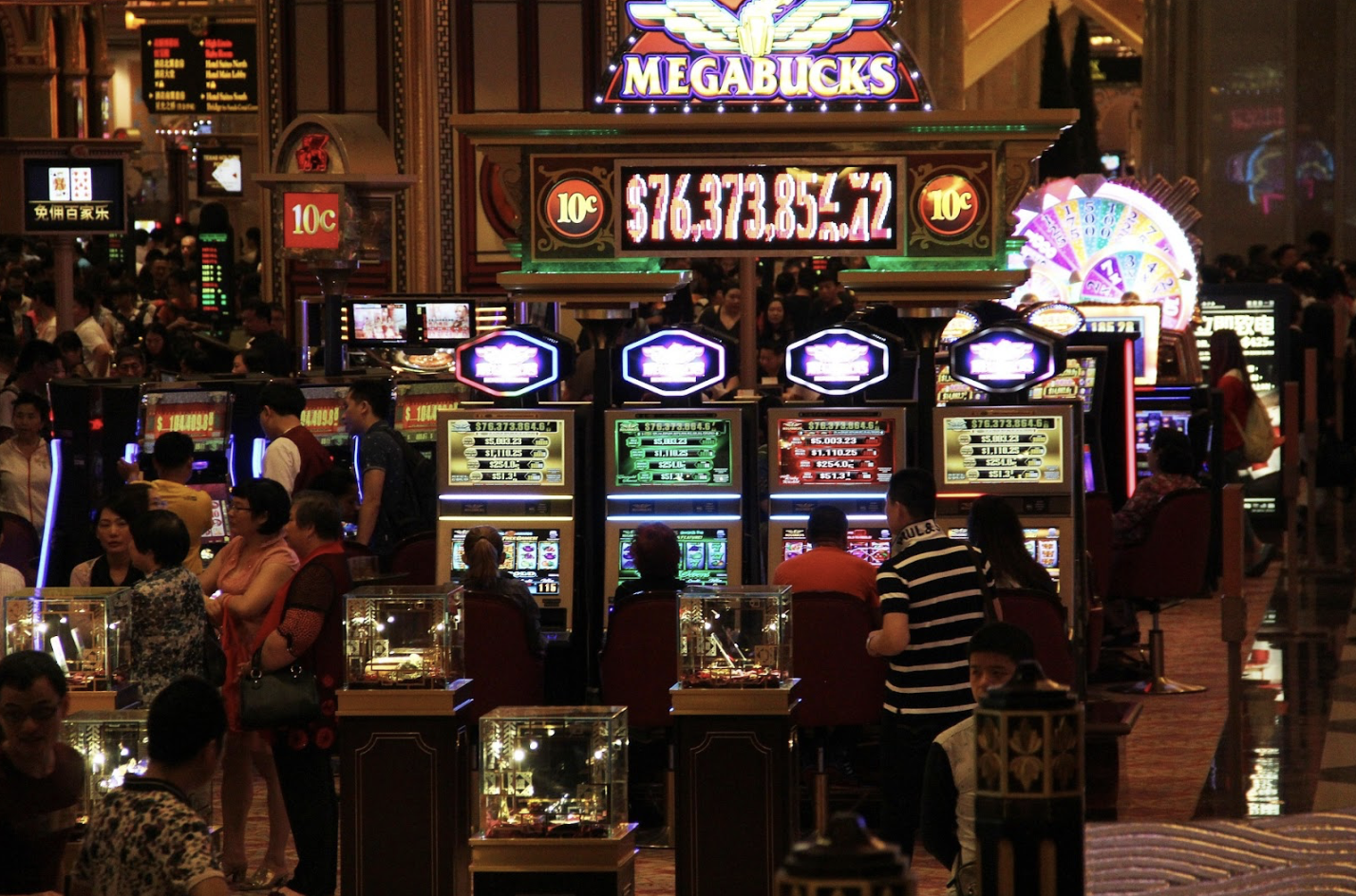
Novice players often require an introduction to the strategy of poker because the skills-based game requires instincts and thought over chance. Contrast that with slots. These machines light up casino floors like digital sirens, calling out to players with their catchy sound effects and bright animations. They're easy to access, easy to play, and designed for speed.
Every spin is controlled by a random number generator, no strategy, just odds favoring the house. Still, big wins happen. Roulette, while also chance-based, feels slightly more balanced but still offers no control. After all, where the ball lands is as random as wind direction. Some gamblers argue that betting strategies, like the Fibonacci or Martingale systems, can influence long-term results. That system belief creates a thin illusion of control. Casinos love roulette because the odds never really tilt in a player’s favor, even when they feel like they’re in command.
In that sense, roulette is a masterclass in psychological design. On the other hand, games like blackjack add another layer. The rules are fixed, but choices matter. You can learn basic strategy, memorize charts, or count cards if you’re skilled and bold enough to do so without raising suspicion. In Southern California, blackjack rooms often tweak the rules slightly.
These legal card rooms shift the edge more toward the house. Still, seasoned players know that the right move at the right time can shave the house edge down to less than one percent. That’s a far cry from the randomness of a slot machine, where edge percentages can hover anywhere from six to fifteen percent, depending on the game.
What makes gambling in California especially interesting is how the law intersects with human behavior. Residents often travel hours to reach casinos with tribal compacts shaping what’s allowed and where. Others settle for cardrooms offering poker and house-banked variations, which creates an environment where certain games flourish over others.
Poker thrives in LA because it’s both legal and lucrative for those who take it seriously. Setting up the most famous poker game in Hollywood is simple because the backdrop is so natural, with many fans and strategic players willing to bring their best poker face. Los Angeles provides the perfect setting for films and artistic creations due to the poker craze.
Meanwhile, slot machines remain out of reach for many locals unwilling to travel. This localized restriction further shapes the debate. People have the freedom to explore preferences in places where skill and chance games are legal. The split is more obvious in California. Players who want to test their skills gravitate toward poker rooms.
Those chasing adrenaline and luck head for tribal casinos. The real answer to what matters more, skill or chance, might depend less on the game and more on players. Some people don’t want to think deeply when they gamble. They’re looking for an escape, a brief suspension of reality, and chance-based games are perfect for them.
Others crave the mental stimulation, the competition, the sweat behind every bluff or calculated bet. They’re not looking for fairy tales; they’re looking for challenges. California’s gambling landscape is a reflection of that spectrum. It’s as diverse as its population, as complex as its laws, and as unpredictable as the games themselves.

Players step into a dance between strategy and fate, whether sitting across from a sharp-eyed opponent at a poker table in Los Angeles or spinning reels at a tribal casino. The human desire to take risks is powerful, whether using chance or skill.
Comments

Powered by RoundtableAn AI/DeFi-powered Enterprise Media Operating System. Learn more at Roundtable.io.© Roundtable 2026. By using this site you agree to the Terms of Use and Privacy Policy