
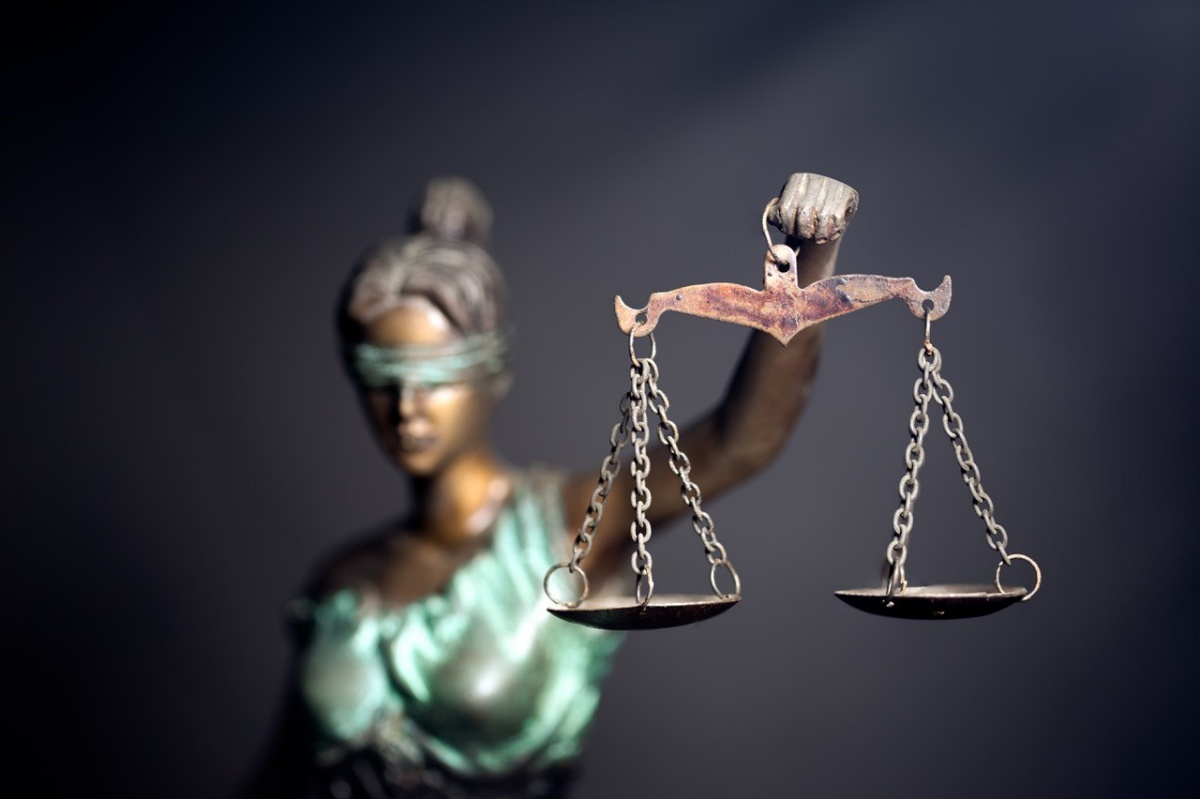


Sixth Amendment Rights
Nov 3, 2024 7:00 AM
Updated Nov 5, 2024 7:47 PM
Despite the Sixth Amendment’s promise of a speedy trial, delays are common due to court backlogs and limited judicial resources.
The promise of a fair and free trial is a cornerstone of the U.S. justice system. One of the key mechanisms ensuring this promise is the Sixth Amendment, which has played a critical role in shaping defendants' rights in criminal trials since its inception. The Sixth Amendment aims to provide a fair trial for everyone, regardless of background—something sorely lacking before its adoption.
While many people are familiar with the term "Sixth Amendment," a significant number do not fully understand its implications. Often, people's knowledge of constitutional rights is derived from the media or general discussions. At the very least, you should strive to understand the basics of the Sixth Amendment, as it can empower you to recognize and assert your rights, especially in legal situations.
What exactly does the Sixth Amendment guarantee, and how does it apply to your rights when facing criminal charges? Continue reading to find out.
The Right to a Speedy Trial
Related stories
One of the core protections of the Sixth Amendment is the right to a speedy trial. This right is intended to prevent people from languishing in jail for extended periods while awaiting trial. Delayed trials can significantly negatively impact the defendant's social, financial, and mental well-being. People waiting for trial can lose their jobs, housing, or custody of their children, especially if they are detained before their trial.
Despite the Sixth Amendment’s promise of a speedy trial, delays are common due to court backlogs and limited judicial resources. As a result, some cases may take months or even years to resolve, which can severely affect the outcome for the defendant. For example, witnesses may become unavailable, or evidence may become stale.
The bail system exists to allow individuals to await trial outside of detention. However, many cannot afford the high cost of bail. While bail bonds can offer relief for low-income defendants, the deeper issue of trial delays must be addressed. We are also seeing movements calling for bail reforms in many States to ensure that an individual’s pretrial freedom isn't solely tied to their financial status.
The Right to an Impartial Jury
Another fundamental aspect of the Sixth Amendment is the right to an impartial jury. This right intends to protect people from abusive prosecution by officials and ensure they can be judged by a group of peers who will evaluate the case fairly and without bias.
There are some issues that may make it difficult for individuals to get an impartial jury and these issues mainly concern the composition and biases of juries. Minority groups tend to be underrepresented in juries, affecting the fairness of trials, particularly for defendants from marginalized communities. Personal biases (conscious or unconscious) can also influence verdicts despite efforts to screen for impartiality during jury selection.
Reforms in jury selection processes can ensure that juries are more representative of the community. The issue of bias can also be tackled by implementing mandatory bias education for jurors to reduce the impact of unconscious or implicit biases on verdicts.
The Right to a Public Trial
The Sixth Amendment guarantees the right to a public trial. By ensuring that legal proceedings are available to the public, trials become more transparent and abuses of power that may otherwise happen behind closed doors can be avoided. Public trials also educate the community about how the justice system works. This can foster a more informed and engaged citizenry, as people can see how laws are applied and how justice is administered in practice.
However, high-profile cases can draw excessive media attention which can influence the opinions of juries and cause biases. In such a situation, judges may order sequestration of juries, regulate media coverage, or close parts of the trials to the public to ensure fairness and protect the privacy of victims and witnesses.
The Right to Be Informed of the Charges
Individuals have the right to be informed of the nature and cause of the accusations against them. The Sixth Amendment explicitly states that "the accused shall enjoy the right... to be informed of the nature and cause of the accusation." There is no way one can adequately prepare an adequate defense if they don't know what they are accused of.
There are situations where prosecutors may draft vague or overly broad charges, making it difficult for defendants to understand the specific allegations against them. The justice system can prevent this by emphasizing the importance of clear communication with defendants.
The Right to Confront Witnesses
One of the most powerful rights under the Sixth Amendment is the ability to confront witnesses who testify against you. Thanks to this right, the defendant can challenge the credibility and reliability of the prosecution’s evidence.
There are some potential issues here as defendant representatives may employ aggressive or intimidating tactics that can discredit witnesses. Also, witnesses who are victims of traumatic events may struggle to provide coherent testimony.
Thoughtful reforms and practices within the justice system can balance the needs of the legal system with the rights and well-being of defendants and witnesses. Courts can provide support services such as counseling for witnesses and establishing clearer cross-examination guidelines to ensure a fairer and more compassionate judicial process.

From all that has been discussed, the importance of the Sixth Amendment is ensuring fair trials is obvious. It is essential you understand and assert your Sixth Amendment rights while advocating some reforms against some of the systemic issues in the justice system. Doing this can help create a justice process that truly upholds the principles of fairness and equality for all.
Comments

Powered by RoundtableAn AI/DeFi-powered Enterprise Media Operating System. Learn more at Roundtable.io.© Roundtable 2026. By using this site you agree to the Terms of Use and Privacy Policy